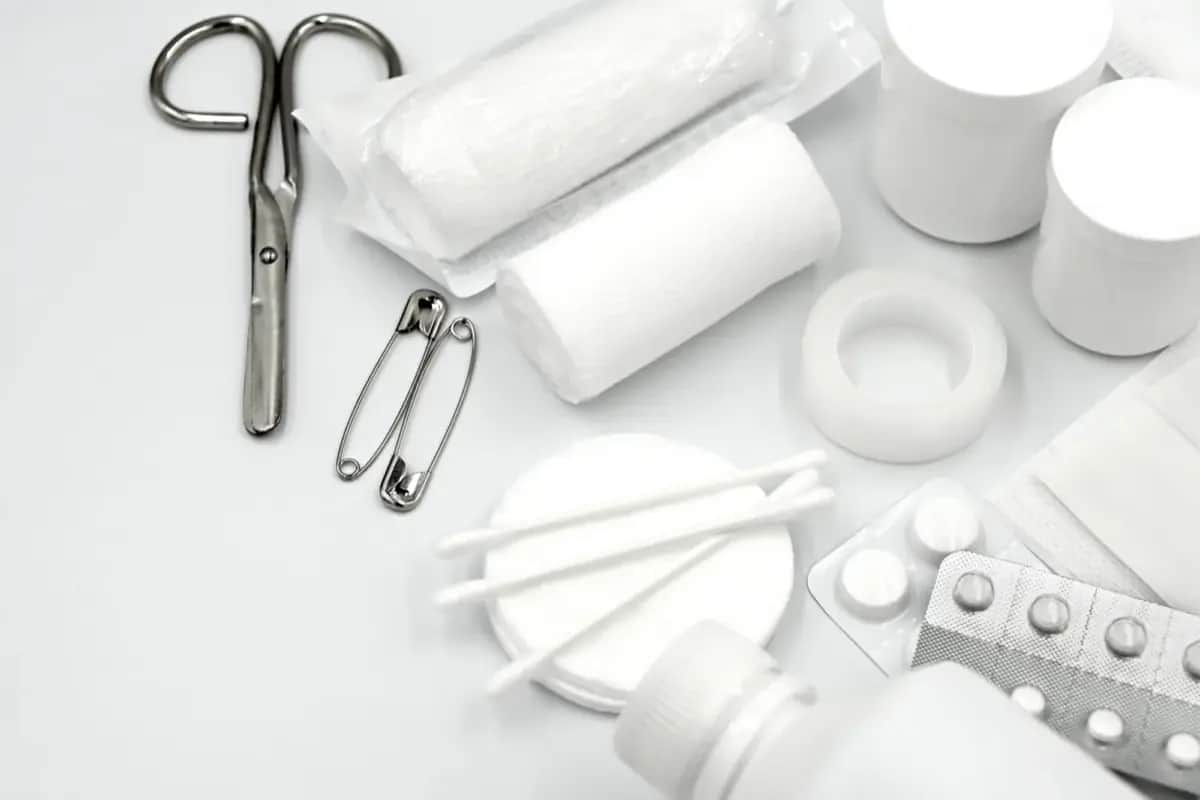
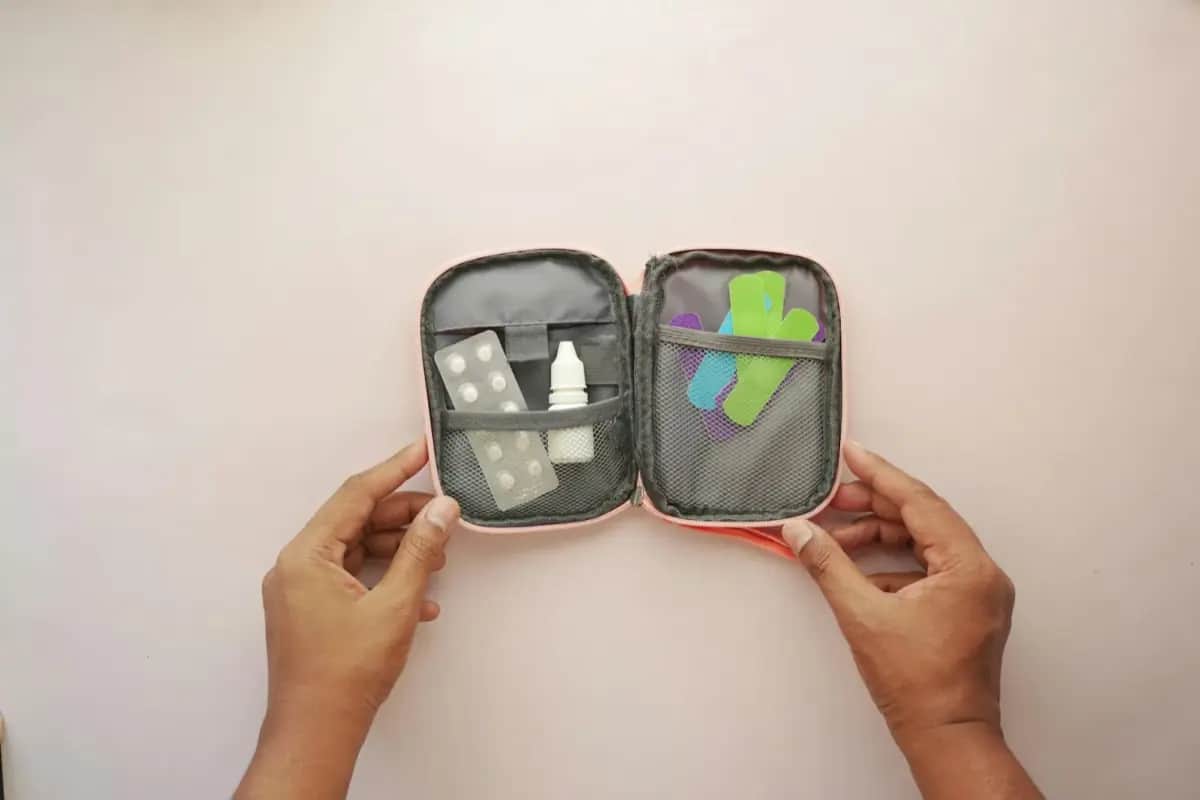
 Foto: Towfiqu barbhuiya / Pexels
First Aid Without a Doctor: 12 Practical Tips for Crisis Situations
12 practical first aid tips for when professional help is unavailable: wound infection, fever management, fracture stabilization, and knowing when to get help.
When You Are the First and Only Responder
In everyday life, an injury means a trip to urgent care. In a crisis, you may need to manage for 12, 24, or 72 hours before professional help becomes available.
These 12 tips make you more effective in those situations.
Tip 1: Irrigation Is the Most Powerful Wound Treatment
Nothing prevents wound infection better than thorough irrigation. Studies show that wound irrigation with clean water reduces infection rates significantly — more than antiseptics alone.
How to do it: Use a 20 ml syringe or squeeze bottle to create a high-pressure stream. Irrigate with at least 200 ml of clean water per wound. If water is not sterile, boil and cool it first.
What to avoid: Hydrogen peroxide damages tissue and slows healing. Povidone-iodine (Betadine) can also delay healing when applied directly to open wounds — use it to clean the surrounding skin, not inside the wound.
Tip 2: "When in Doubt, Splint It"
Distinguishing a bad sprain from a fracture without X-ray is extremely difficult. Both look similar: swelling, bruising, pain.
The consequence of treating a fracture as a sprain is significantly worse than the reverse.
Rule: If weight-bearing is painful, if there is point tenderness directly over bone, or if you heard a crack — treat as fracture. Immobilize, apply ice, elevate, and arrange for X-ray as soon as possible.
Tip 3: Infection Signs Have a Predictable Progression
Learn this sequence. Early intervention makes a major difference.
Day 1–2: Redness, warmth, mild swelling around wound — normal inflammatory response. Day 3–4: Increasing redness, clear or cloudy fluid — beginning infection. Day 4–5: Pus, significant swelling, fever — established infection requiring antibiotics. Day 5+: Red streaks spreading from wound, high fever — spreading infection, medical emergency.
Your window: Days 1–4. Aggressive wound cleaning and monitoring can prevent the progression. By day 5, medical care is essential.
Tip 4: Fever Is a Tool — Use It Carefully
Fever is part of the immune response and has value. The goal of fever management is comfort and preventing dangerously high temperatures, not eliminating fever entirely.
When to treat: Fever above 38.5°C that causes significant discomfort or prevents hydration. Emergency threshold: Fever above 40°C — requires immediate action. Children: Fever above 39°C in children warrants more aggressive treatment and monitoring.
Alternating medications: Ibuprofen and paracetamol work via different mechanisms. For persistent high fever, alternate every 3–4 hours (ibuprofen → 3 hours → paracetamol → 3 hours → ibuprofen).
Tip 5: Dehydration Is Underestimated
Vomiting, diarrhea, fever, and hot weather all cause faster dehydration than most people expect.
Signs of concerning dehydration: Dark yellow urine, no urination for 8+ hours, dry mouth and lips, dizziness when standing.
Oral rehydration approach: Plain water is insufficient for significant dehydration because it doesn't replace electrolytes. Use oral rehydration salts (ORS) or improvise: 1 liter water + 6 teaspoons sugar + 1 teaspoon salt.
When to escalate: If someone cannot keep liquids down for 8+ hours, or shows signs of severe dehydration (no urination for 12+ hours, extreme weakness, confusion), IV fluids are needed — this is a medical emergency.
Tip 6: Puncture Wounds Are More Dangerous Than They Look
A small puncture from a nail, knife, or animal bite looks minor but is high-risk:
- Deep punctures close quickly, trapping bacteria inside
- Anaerobic bacteria (tetanus, gas gangrene) thrive in deep wounds without oxygen
- Animal bites carry infection risk from mouth bacteria
Puncture wound protocol:
- Let it bleed slightly (flushes bacteria)
- Irrigate aggressively with a syringe
- Do NOT close (let it heal open)
- Monitor closely for 5–7 days
- Verify tetanus vaccination is current (within 10 years, or 5 years for high-risk wounds)
Tip 7: Burns — Cool, Cover, Don't Pop
The three rules for burn management:
Cool: Room temperature water, 10–20 minutes. Not ice. Not butter. Not toothpaste.
Cover: Loosely with clean non-adherent dressing. Prevents contamination and reduces pain from air contact.
Don't pop: Blisters are sterile barriers. Breaking them dramatically increases infection risk.
Critical escalation sign: Circumferential burn (wraps all the way around a limb) can impair circulation as swelling develops. This requires emergency care.
Tip 8: Know Your Cardiac Warning Signs
Heart attacks don't always present with the classic crushing chest pain. Atypical presentations:
- Jaw pain or arm pain without chest pain
- Upper abdominal discomfort mistaken for indigestion
- Shortness of breath as the primary symptom
- Unusual fatigue or weakness (especially in women)
- Nausea and vomiting
If ANY of these symptoms appear in a middle-aged or older adult during stress or exertion: assume cardiac until proven otherwise. Aspirin 325 mg (chewed, not swallowed) if not allergic. Emergency services.
Tip 9: Head Injuries — Watch for 24 Hours
A head injury that seems minor can deteriorate hours later due to slow bleeding around the brain (subdural hematoma).
After any significant head impact:
- Monitor for 24 hours
- Wake the person every 2–3 hours overnight
- Escalate immediately if: confusion, vomiting, unequal pupils, severe headache, weakness on one side
A person who "seems fine" after a concussion can deteriorate hours later. This is a known and predictable risk.
Tip 10: Choking — Back Blows First in Adults
The Heimlich maneuver is correct for adults. But a less-known technique is equally or more effective when done first: 5 hard back blows between the shoulder blades with the heel of your hand, leaning the person forward.
Protocol for conscious adult:
- 5 back blows
- 5 abdominal thrusts (Heimlich)
- Alternate until object is expelled or person becomes unconscious
For infants (under 1 year): only back blows and chest thrusts — no abdominal thrusts.
Tip 11: Maintain Clean Hands Above All Else
In crisis conditions, infection from wound contamination is a greater threat than the original injury for many non-life-threatening wounds.
Before touching any wound, clean your hands thoroughly. If soap and water are unavailable, use alcohol hand sanitizer. In austere conditions, this single practice prevents more complications than any other intervention.
Tip 12: Document Everything
Write down:
- Time of injury
- Time and dose of any medications given
- Vital signs if measured (temperature, heart rate)
- Changes in the patient's condition
This documentation matters if and when professional care becomes available — and helps you notice trends you might miss from memory alone.
These 12 tips are the foundation of effective first aid in extended crisis situations. None of them replace professional medical care when it's available. All of them extend your capability when it isn't.