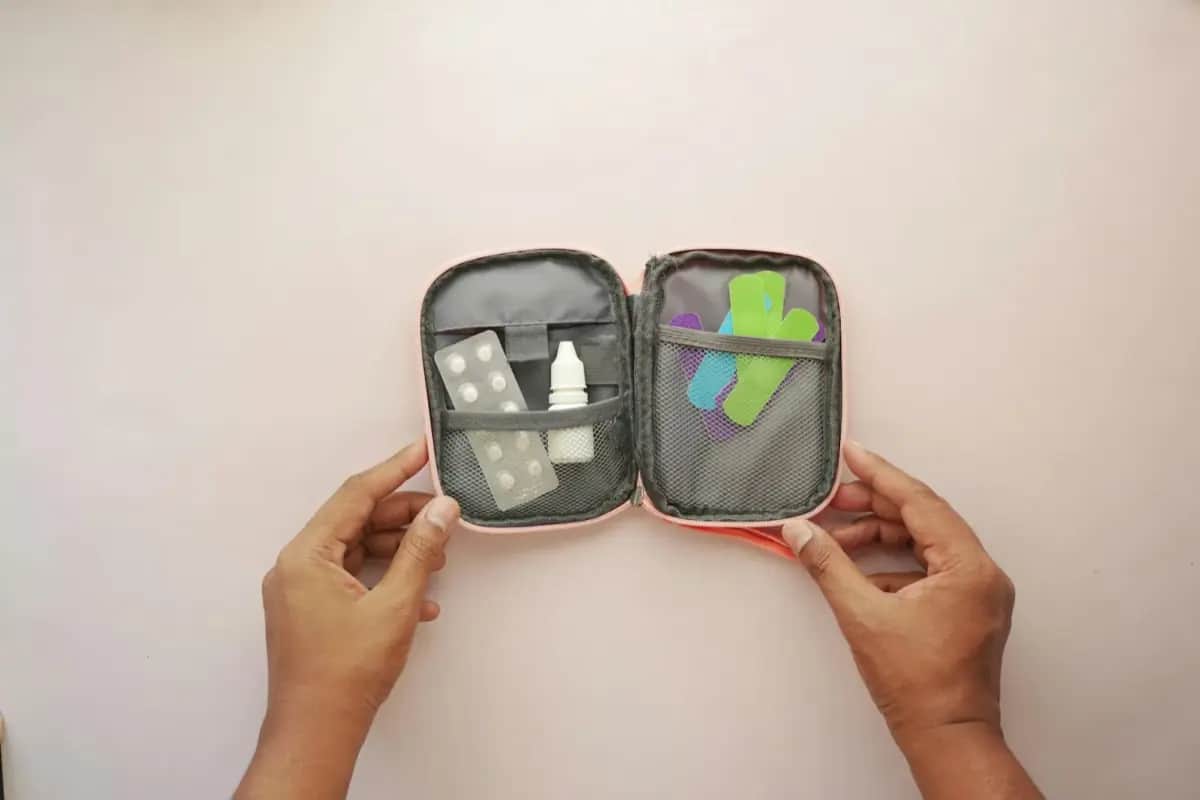
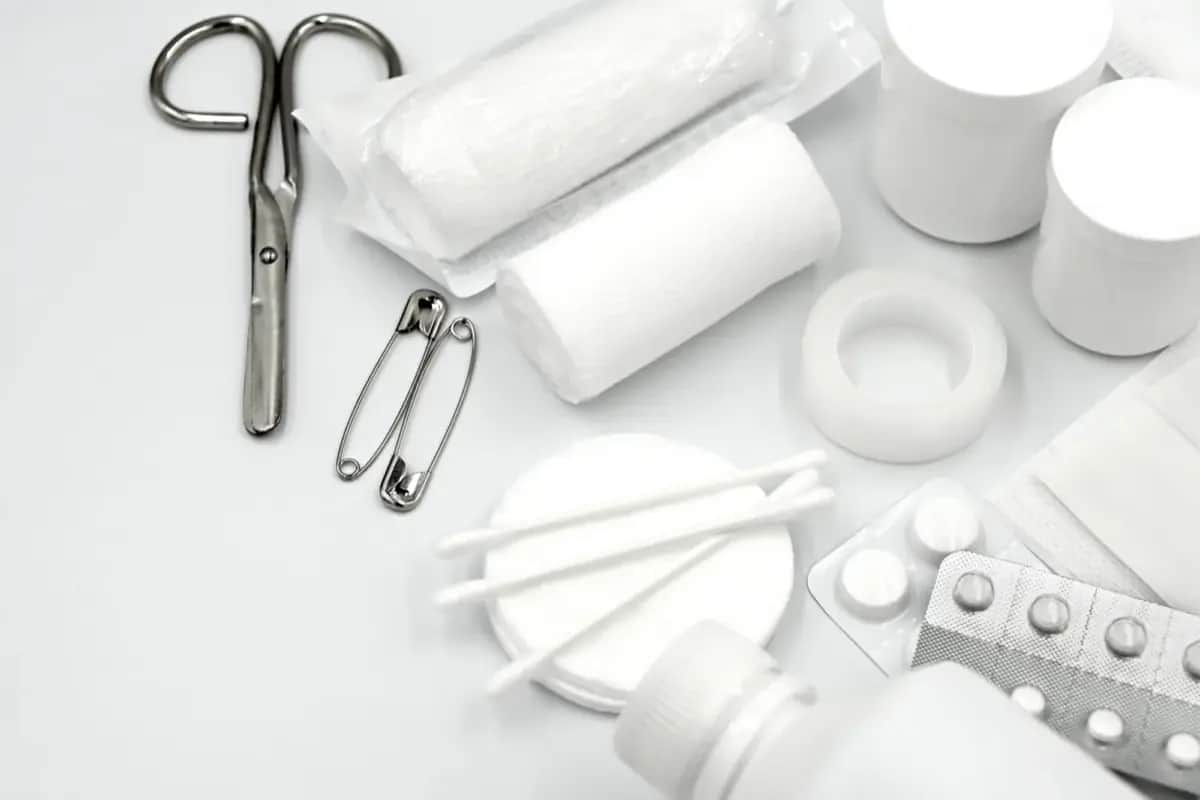
 Foto: Marta Branco / Pexels
grundlagenMay 14, 20265 min read
Home Medicine Cabinet Checklist for Crisis Preparedness
Complete checklist for your crisis medicine cabinet: medications, wound care supplies, equipment, and prescription medications for 4-week preparedness.
Your Crisis Medicine Cabinet: The Complete Checklist
This checklist builds a home medicine cabinet that covers the 14–28 day preparedness window. Work through it section by section. Check items off as you acquire them.
Section 1: Medications
Pain and Fever
- Ibuprofen 400 mg — 100 tablets
- Expiration: _______
- Paracetamol 500 mg — 100 tablets
- Expiration: _______
- Aspirin 500 mg — 50 tablets
- Expiration: _______
Gastrointestinal
- Loperamide (Imodium) — 20 tablets (anti-diarrheal)
- Antacid tablets (omeprazole or similar) — 30 tablets
- Activated charcoal tablets — 20 tablets (poisoning/food poisoning)
- Oral rehydration salts — 20 sachets (dehydration from diarrhea/vomiting)
- Laxative (bisacodyl) — 20 tablets (opioid-induced or stress constipation)
Allergy and Respiratory
- Antihistamine (cetirizin 10 mg or loratadin 10 mg) — 30 tablets
- Nasal spray (saline, not medicated) — 2 bottles
- Throat spray or lozenges — 2 packs
- Cough syrup — 1 expectorant, 1 suppressant
Topical Treatments
- Antiseptic solution (povidone-iodine or chlorhexidine) — 500 ml
- Antibiotic ointment (bacitracin or neosporin) — 1 tube
- Antifungal cream (clotrimazole 1%) — 1 tube
- Hydrocortisone cream 1% — 1 tube (itching, minor rashes)
- Burn gel (aloe vera or water-based cooling gel) — 1 tube
Eye and Ear
- Sterile saline eye wash — 2 bottles
- Antibiotic eye drops — 1 bottle (check with pharmacist)
- Ear drops — 1 bottle
Prescription Medications
- [Medication 1]: _____________ Quantity: _______ Expiration: _______
- [Medication 2]: _____________ Quantity: _______ Expiration: _______
- [Medication 3]: _____________ Quantity: _______ Expiration: _______
Prescription target: 60-day supply minimum (request 90-day prescriptions where possible).
Section 2: Wound Care Supplies
Sterile Dressings
- Sterile gauze pads 5×5 cm — 50 pieces
- Sterile gauze pads 10×10 cm — 30 pieces
- Non-adherent dressings (Telfa or similar) — 20 pieces
- Abdominal (ABD) pads — 10 pieces (large wounds)
- Sterile wound pad — 10 pieces
Bandaging
- Adhesive bandages (assorted: small, medium, large, knuckle) — 100 pieces
- Elastic bandages 6 cm — 5 rolls
- Elastic bandages 8 cm — 5 rolls
- Medical tape (paper tape) — 3 rolls
- Waterproof medical tape — 2 rolls
- Triangular bandages — 4
- Wound closure strips (Steri-Strips) — 20 packs
Hemorrhage Control
- CAT Tourniquet — 1 (or comparable model)
- Condition: _______ Last checked: _______
- Hemostatic gauze (QuikClot or equivalent) — 2 packs
- Israeli pressure bandage — 2
Tools
- Nitrile exam gloves — 2 boxes (50 per box)
- Medical scissors (trauma shears) — 1 pair
- Tweezers (fine-tip and flat) — 1 set
- SAM splint (malleable aluminum) — 2 large
- Tongue depressors — 20
- Safety pins — 12
Section 3: Medical Equipment
Diagnostics
- Digital thermometer — 1 (with batteries)
- Last tested: _______ Working: Y/N
- Pulse oximeter — 1
- Batteries: _______ Last tested: _______
- Blood pressure cuff (manual or digital) — 1
- Calibration date: _______
Optical
- Penlight / small flashlight — 1 (for pupil checks)
- Magnifying glass — 1 (for splinter removal)
Other
- Emergency blanket (mylar, space blanket) — 3
- Hot water bottle — 1
- Ice pack (reusable gel type) — 2
Section 4: Reference Materials
- First aid manual (printed, not only on phone) — 1
- Recommend: Red Cross First Aid handbook
- Medication interaction guide (or pharmacist-prepared list for household)
- Allergy information for all household members (written)
- Emergency contact list with:
- Family doctor: _______________
- Nearest emergency room: _______________
- Poison control: _______________
- Pharmacy: _______________
Section 5: Special Needs (Customize)
- Epinephrine auto-injectors (if anyone in household has severe allergy): 2 units
- Expiration: _______ Location known to all: Y/N
- Blood glucose meter and strips (if diabetic in household)
- Prescription inhalers with 2-month supply (if asthmatic)
- Specialized pediatric medications if children under 6 in household
Storage and Maintenance
Storage Requirements
- Cool, dry location (under 25°C, avoid bathroom — humidity degrades medications)
- Out of reach of children but accessible to all adults
- Waterproof container or bin
- Contents list posted on lid or inside door
Quarterly Check
- Inventory against this checklist
- Remove expired items (dispose of at pharmacy)
- Replace used or expired items
- Test equipment (thermometer, pulse oximeter, blood pressure cuff)
Annual Review
- Review prescription supplies with physician
- Update for household changes (new children, new medications)
- Review and update reference materials
A complete medicine cabinet takes 3–6 months to build properly, including prescription refills and sourcing specialty items. Start with Section 1 (medications) and Section 2 (wound care) — these are immediately available without prescriptions.