 Foto: Ngeow Shen Sin / Pexels
No Tap Water for 24 Hours: A Step-by-Step Action Guide
What to do in the first 24 hours when tap water stops: immediate steps, water rationing, hygiene priorities, and which purification method to use when.
Tap Water Just Stopped. Now What?
The tap turns on — and nothing comes out. Or you get a government text: "Do not use tap water. Boil advisory in effect." Either way, you have a problem that requires an immediate, calm response.
This article gives you exactly that: a step-by-step guide for the first 24 hours without safe tap water.
Hour 0: The First 10 Minutes
Do These Immediately
1. Fill containers with water from the tap (if still flowing)
Even under a boil advisory, water flowing from the tap can still be used — it just needs to be treated before drinking. Fill every clean container you have: pots, pitchers, bottles, and the bathtub.
If the water has stopped entirely: Skip to Hour 1.
2. Check the water type
Is this a boil advisory (microbiological contamination suspected) or a do-not-use order (chemical contamination)?
- Boil advisory: Boiling, chlorination, or UV will make the water safe to drink.
- Do-not-use order: Chemical contamination may not be removable by basic methods. Use only stored bottled water for drinking and cooking.
3. Note the time and contact authorities
Check local emergency broadcasts, the water authority website, or emergency alert apps (NINA, BIWAPP). Understand the scope: is it your street, your district, or larger?
Hour 0-2: Inventory and Stabilize
Water Inventory
List everything:
- Bottled water in the house
- Water in the fridge (filter pitcher, bottles)
- Water in kettles or pots
- Water in water tanks or garden containers
Calculate: Daily minimum is 4 liters per person (2 liters drinking + 1 liter cooking/hygiene). How many days does your inventory cover?
Prioritize Immediately
Designate your cleanest stored water as "drinking only." Do not use it for:
- Toilet flushing
- Washing dishes (use minimal tap water you have treated)
- Pet water (use lower-priority treated water)
Hour 2-6: Set Up Purification
For a Boil Advisory
Boil method (best if you have a gas stove or camping stove):
- Pour tap water into a pot
- Bring to a rolling boil
- Boil for 3 minutes
- Cool covered, store in sealed clean containers
Chemical method (if fuel is limited):
- Allow tap water to settle (5 minutes, do not disturb)
- Pour clear upper layer into a clean container
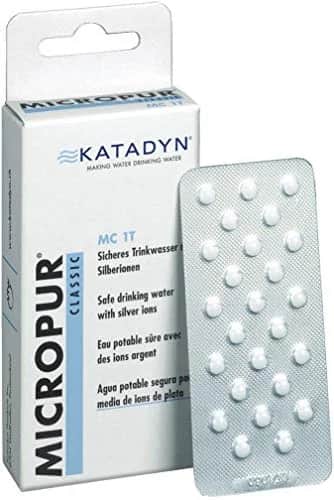
- Add 1 Aquatab per liter
- Wait 30 minutes before drinking
For Water From Alternative Sources
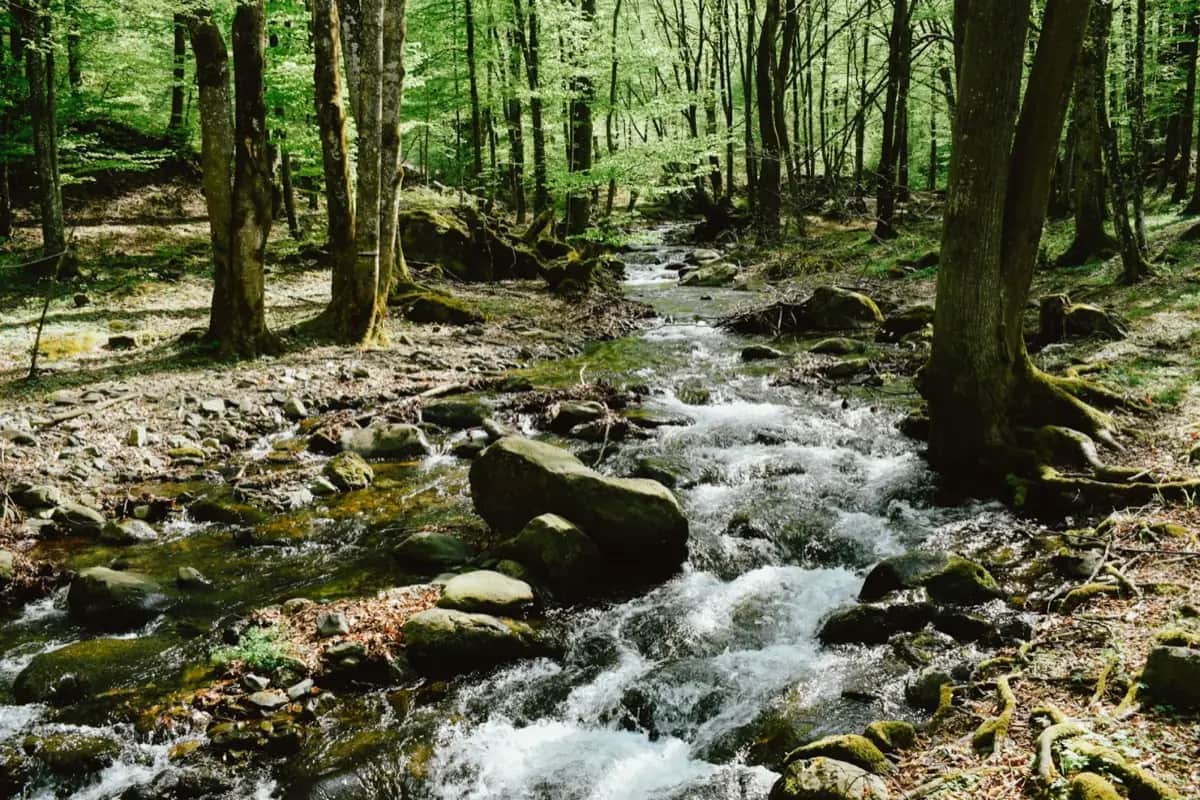
Rainwater (cleaner than stream water): Collect in clean containers. Treat with Aquatabs or boil.
Neighbor's or community supply: If neighbors have a working well or large reserve, they may share. Always treat this water.
Bottled water: Ready to drink, no treatment needed.
Hour 6-12: Ration and Maintain Hygiene
Water Rationing in Practice
With limited supply, ration strictly:
| Use | Allowed | Replaced by |
|---|---|---|
| Drinking | Yes — full amount | Nothing |
| Cooking | Minimize | Canned, ready-to-eat foods |
| Handwashing | Small amounts | Hand sanitizer |
| Toilet flushing | Bathtub/gray water | Bucket method |
| Showering | Not critical for 24 hours | Wet wipes |
Hygiene Priorities
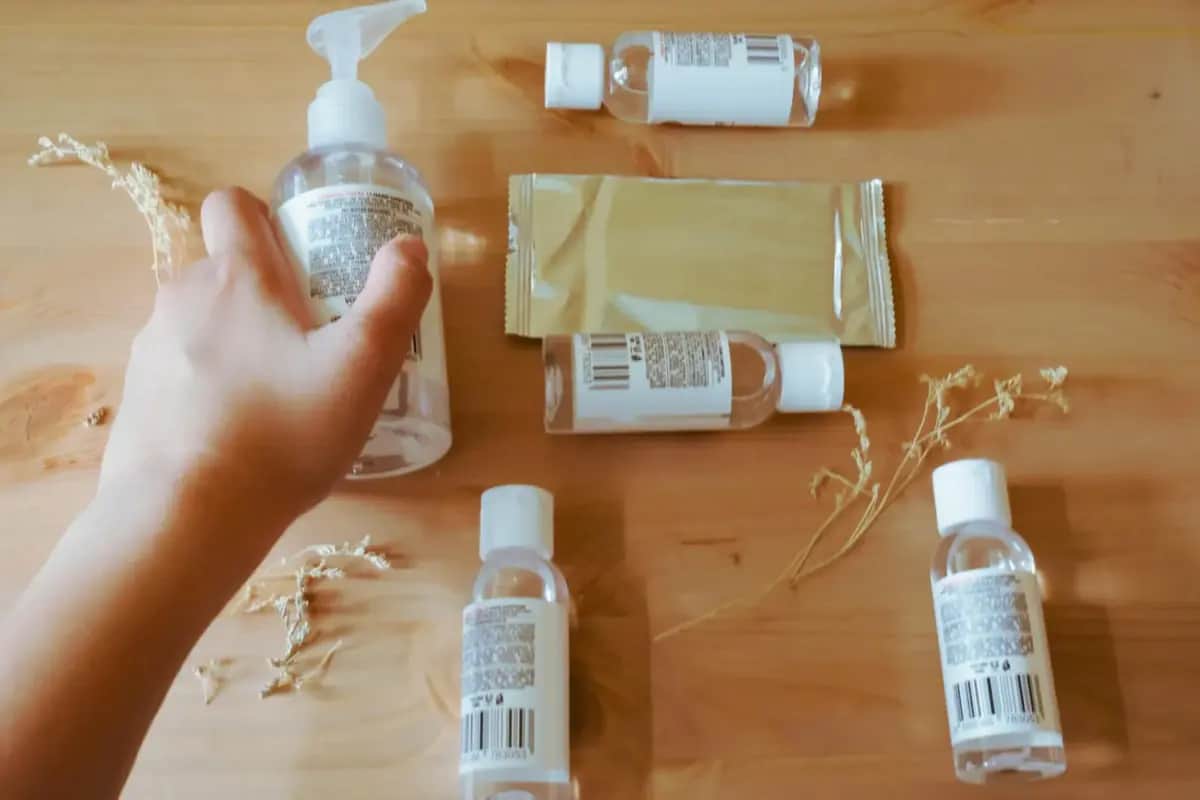
The most important single hygiene act: hand sanitization with 70%+ ethanol sanitizer.
- Before eating
- After using the toilet
- After handling waste or dirty objects
This prevents fecal-oral transmission, the primary disease route in water outages.
Hour 12-24: Monitor, Extend, or Adapt
If the Outage Is Being Resolved
Authorities typically provide updates every few hours. A 24-hour boil advisory usually resolves within 24-48 hours as testing confirms the water is safe again.
Before returning to tap water: Run taps for 2 minutes to flush stagnant water from pipes. Then follow the authority's guidance (often: boil for 3 more days even after the advisory lifts, to be safe).
If the Outage Extends Beyond 24 Hours
If you see no resolution signal by Hour 12, activate a longer-term plan:
- Scale up water purification: Move from boiling pots to a larger system (gravity filter if you have one).
- Acquire more supplies: If shops are still open, buy water purification tablets, more bottled water, and a portable filter.
- Community coordination: Connect with neighbors. Someone may have a generator, a full water tank, or be in a better position to share.
Signs to Watch For
Things are improving: Official communication with a specific timeline; no reports of illness; water authority testing in progress.
Things are escalating: No communication; illness reports in community; order upgraded from boil advisory to do-not-use; shops running out of bottled water.
The 24-Hour Supply Checklist
After completing your first 24-hour response, review what you used and what was missing:
- Did you have enough clean containers for water collection?
- Did you have boiling capability (gas stove, camping stove)?
- Did you have purification tablets or a filter?
- Did you have hand sanitizer?
- Did you have at least 3 days of bottled water in reserve?
Use this review to update your emergency supply for next time.
Conclusion
The first 24 hours without safe tap water are manageable for any prepared household. Fill containers immediately, inventory what you have, set up purification (boiling or chlorination), and ration carefully. The families who struggle are those who have nothing in reserve and no purification capability. A single box of Aquatabs and 10 liters of bottled water prevents most of the stress — and they cost under 15 euros.
Recommended Products
As an Amazon Associate we earn from qualifying purchases. Buying through our links supports the development of this app at no extra cost to you.