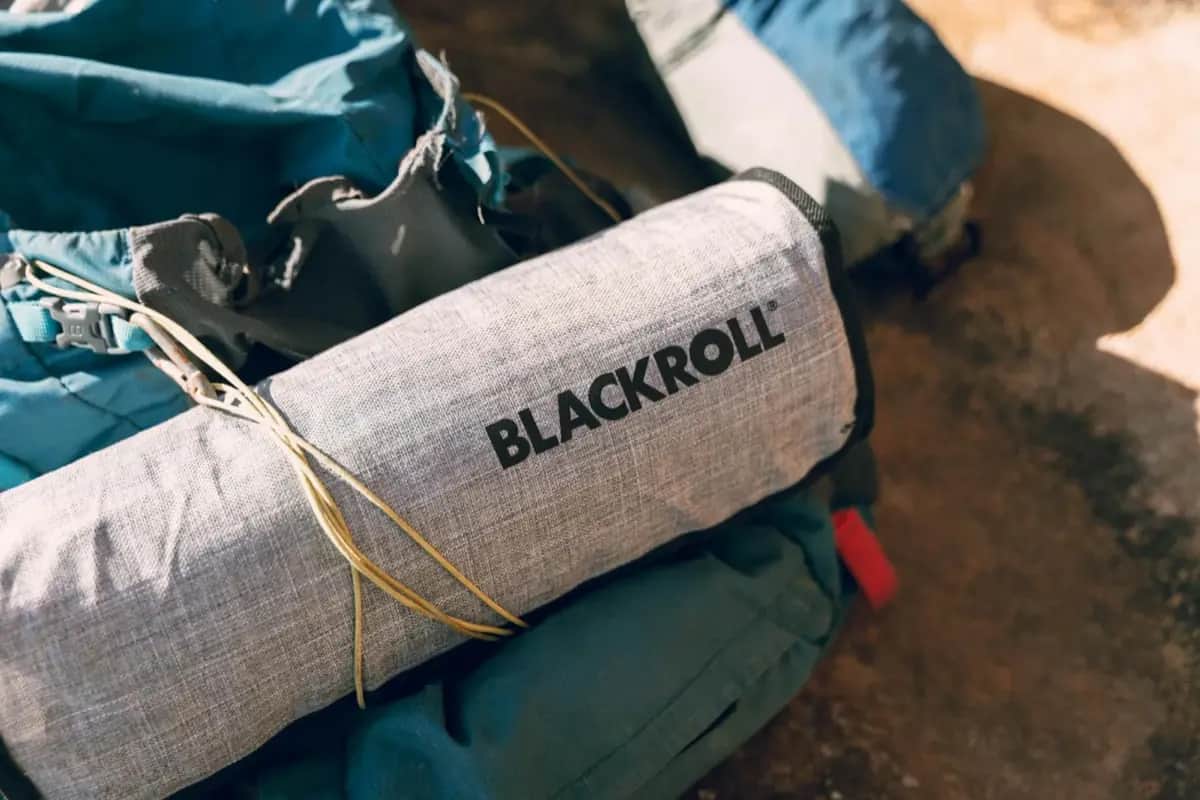
 Foto: Liam Moore / Pexels
The Ultimate Bug-Out Bag Guide: Build, Pack, and Be Ready to Go
Everything you need to know about building a real bug-out bag for Germany and Europe: what to include, how to organize it, and why most people get it wrong.
What Is a Bug-Out Bag and Do You Actually Need One?
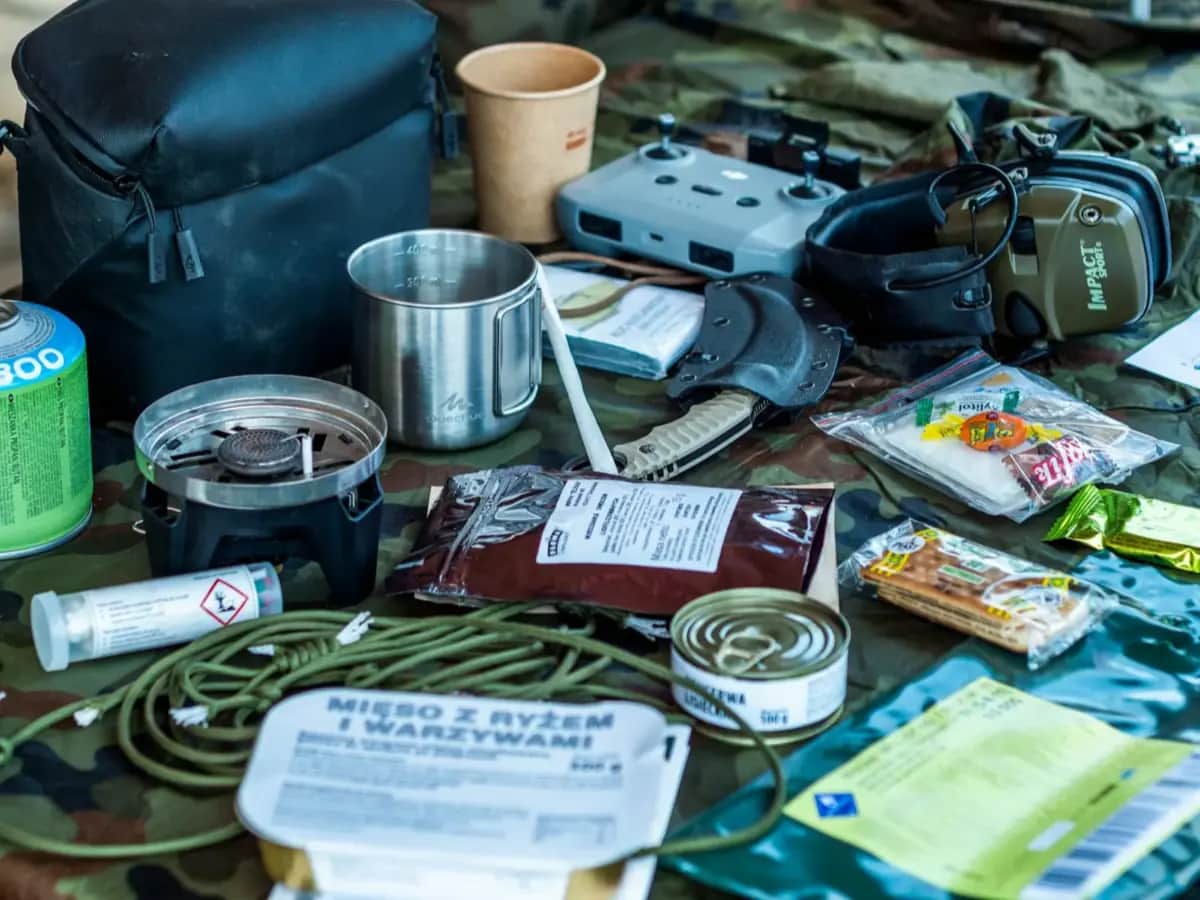
A bug-out bag (BOB) — also called a 72-hour kit, go-bag, or in German: Notfallrucksack — is a pre-packed backpack containing everything you need to survive for 72 hours after an emergency evacuation.
The scenarios that make a bug-out bag essential:
- Wildfires or flooding requiring immediate evacuation
- Chemical or industrial accidents requiring area evacuation
- Infrastructure collapse requiring movement to safety (heating failure in winter, water system failure)
- Civil unrest or security situations requiring rapid departure
In Germany, flood evacuations (Ahrtal 2021), major fires, and industrial accidents (Rhine contamination scenarios) are the most realistic use cases. The principle: when authorities say "leave now," you should be ready to leave in 15 minutes.
The key insight: A bug-out bag is not about surviving the apocalypse. It's about being able to leave safely when staying becomes dangerous.
Choosing the Right Backpack
Capacity
72-hour kit: 30–45 liters 7-day extended kit: 55–75 liters
Most people overestimate how much they can comfortably carry. A good guideline: loaded bag weight should not exceed 20–25% of your body weight for extended carrying. For most adults, that's 12–18 kg.
Features to Look For
- Hip belt with padding: Transfers weight from shoulders to hips; essential for bags over 10 kg
- Multiple compartments: Organization matters; you need quick access to specific items
- Durable water-resistant fabric: Nylon 500D or higher; look for YKK zippers
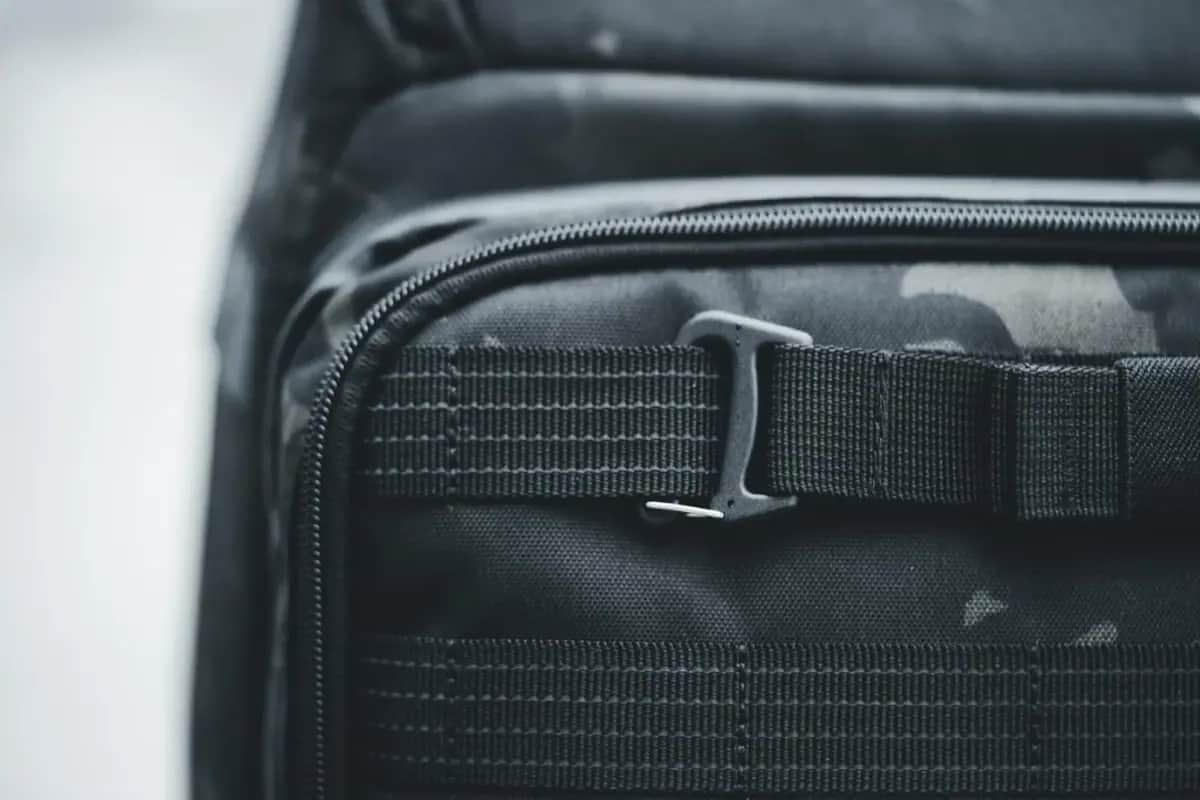
- MOLLE webbing (optional): Allows attachment of external pouches for frequently-needed items
- Comfortable back panel: Ventilated panels reduce sweating; important for multi-hour carry
What You Don't Need
- Tactical military-style aesthetics (draws unwanted attention; choose neutral colors)
- More than 75 liters (too heavy to carry meaningfully)
- Extremely expensive bags: excellent options exist at €60–120 (Osprey Talon 33, Deuter Futura range)
The Core Contents: 10 Categories
1. Water and Purification
- 2× 1-liter water bottles (filled at departure)
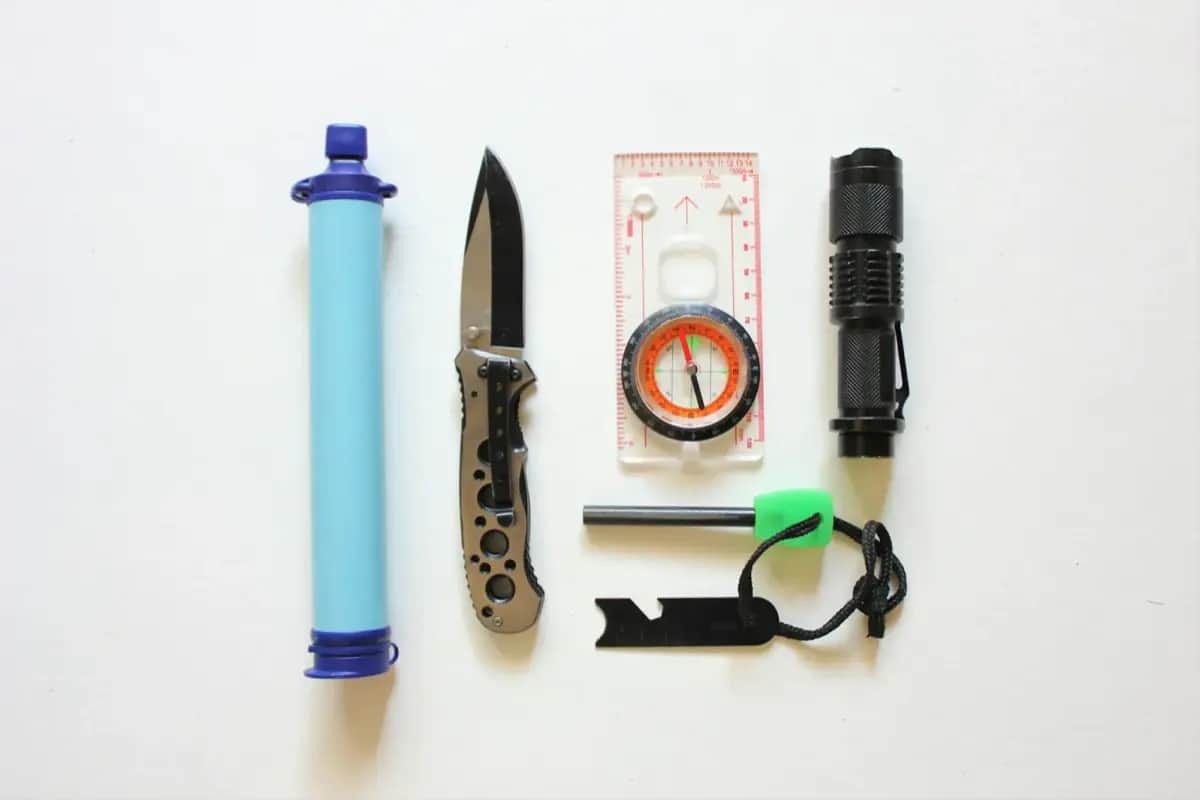
- Sawyer Squeeze or LifeStraw filter
- 10 Micropur Forte tablets (virus-capable backup)
- Collapsible 2L water bag (for filtration bag and capacity expansion)
Weight: ~800g
2. Food (72-Hour Supply)
- High-calorie, minimal-water, ready-to-eat focus
- 6 × energy bars or emergency ration bars (~300 kcal each)
- 2 × tuna/salmon packs (pouches, not cans — lighter)
- 200g mixed nuts
- 4 × instant oatmeal packets
- 1 × small peanut butter packet
- 1 × multi-day energy bar (MOUTAIN HOUSE or equivalent 3600 cal block for one person)
Target: 2,000+ kcal/day × 3 days = 6,000 kcal total Weight: ~1.5 kg
3. Shelter and Warmth
- Emergency bivvy or space blanket (mylar, 2-sided silver/orange): reflects 90% of body heat
- Lightweight rain poncho
- Spare warm layer (fleece jacket, compact and compressible)
- Wool or synthetic hat and gloves
- 1 pair wool socks (moisture management critical in wet conditions)
Weight: ~600g
4. Fire and Heat
- BIC lighters (3 — they fail at the worst time)
- Waterproof matches in sealed container
- Small fire starter (ferro rod)
- Small camp stove with 1 gas canister (optional, adds weight; consider for cold-weather)
Weight: ~300g
5. Navigation
- Laminated physical map of your local area (50km radius)
- Compass (learn how to use it before you need it)
- Written addresses and contact details for your meeting point and out-of-area contact
Weight: ~100g
6. First Aid
Build your own kit or buy pre-assembled, then supplement:
- Israeli bandage (pressure dressing for serious wounds)
- Several sizes of bandages and sterile gauze
- Medical tape
- Nitrile gloves (2 pairs)
- Antiseptic wipes or small bottle of antiseptic
- Blister treatment (moleskin or Compeed)
- Pain reliever (ibuprofen, paracetamol)
- Personal medications (7-day supply minimum)
- Emergency blanket (separate from shelter blanket — for shock treatment)
Weight: ~400–600g
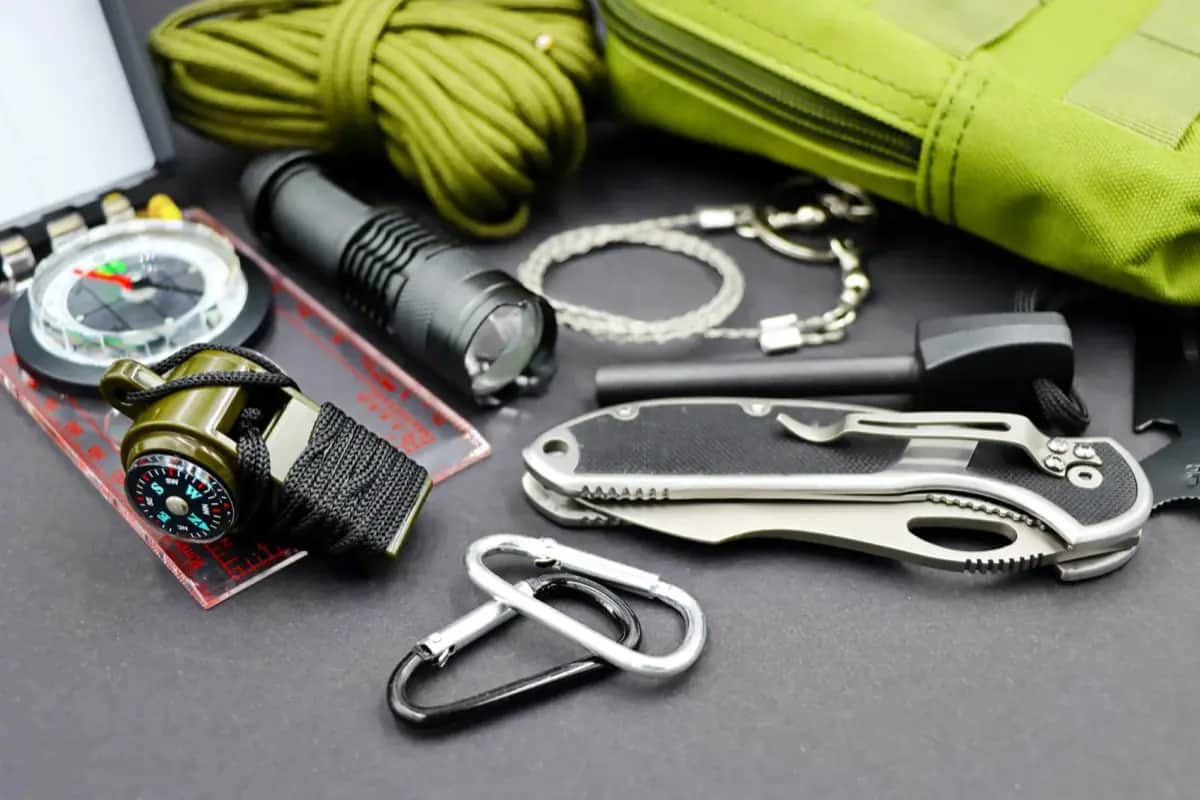
7. Tools and Utility
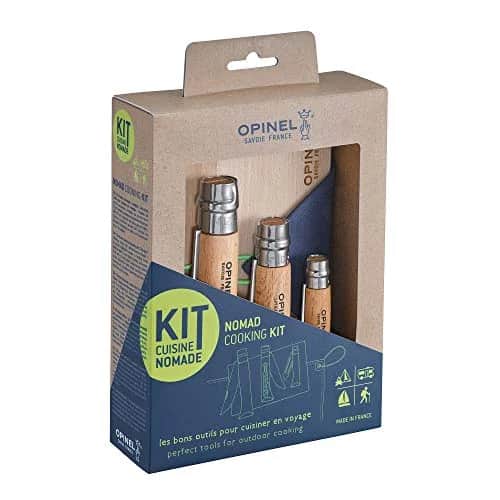
- Multi-tool (Leatherman Wave or Victorinox equivalent)
- Fixed-blade knife or folding knife
- Headlamp + spare batteries
- Heavy-duty garbage bags (5) — tarps, waterproofing, water collection, sanitation
- Paracord (10m)
- Duct tape (small roll)
Weight: ~600g
8. Communication and Power
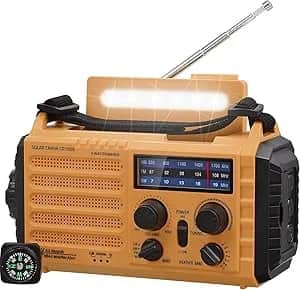
- Battery-powered or hand-crank radio
- High-capacity power bank (20,000+ mAh), kept charged
- USB charging cables for your devices
- Backup battery pack for any medical devices
Weight: ~600g (power bank is typically 300–400g alone)
9. Documents and Money
Always in a waterproof pouch:
- Copies of ID, passport, insurance documents, prescriptions
- Emergency contact list on paper
- €200–500 cash in small bills
- USB drive with scanned document copies
Weight: ~100g
10. Hygiene and Sanitation
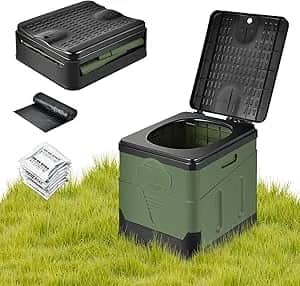
- Toilet paper (compressed roll)
- 50ml hand sanitizer
- Wet wipes (1 pack)
- Toothbrush and small toothpaste
- Any regular medications in adequate supply
Weight: ~400g
Packing Strategy: Accessibility Zones
Pack according to how frequently and urgently you'll need items:
Top of bag / top pocket (immediate access):
- Headlamp
- Rain poncho
- Water bottle
- Snack bars
- First aid kit
Middle of bag:
- Spare clothing layers
- Camp stove and food
- Rope and tools
Bottom of bag:
- Shelter and sleeping equipment (used last, but needs to not get wet — waterproof bag inside)
Hip pockets:
- Phone and charger cable
- Navigation (map, compass)
- Documents
The Critical Test
Pack your bag. Weigh it. Put it on and walk for 2 hours.
You will immediately discover:
- Which items are uncomfortable to carry
- Whether the weight is manageable
- Whether hip belt is properly adjusted
- Which items you couldn't find when you needed them
Do this test before the emergency. Adjust based on what you learn.
Family Considerations
Each adult household member should have their own bag. Children 10+ can carry a small personal bag (10L) with their own snacks, comfort items, and a change of clothing.
Distribute shared heavy items (tent, stove, fuel) across adult bags. Designate one "lead bag" with critical items (documents, money, first aid) and a "secondary bag" that is more expendable.
Maintaining Your Bug-Out Bag
- Annually: Full inventory check; replace expired food and medications; check battery-powered equipment
- Seasonally: Swap warm/cool weather clothing layers
- Monthly: Verify power bank is charged
- After any use: Immediately restock and re-check
A bug-out bag that isn't maintained becomes unreliable quickly. Schedule the annual check in your calendar.
Recommended Products
As an Amazon Associate we earn from qualifying purchases. Buying through our links supports the development of this app at no extra cost to you.