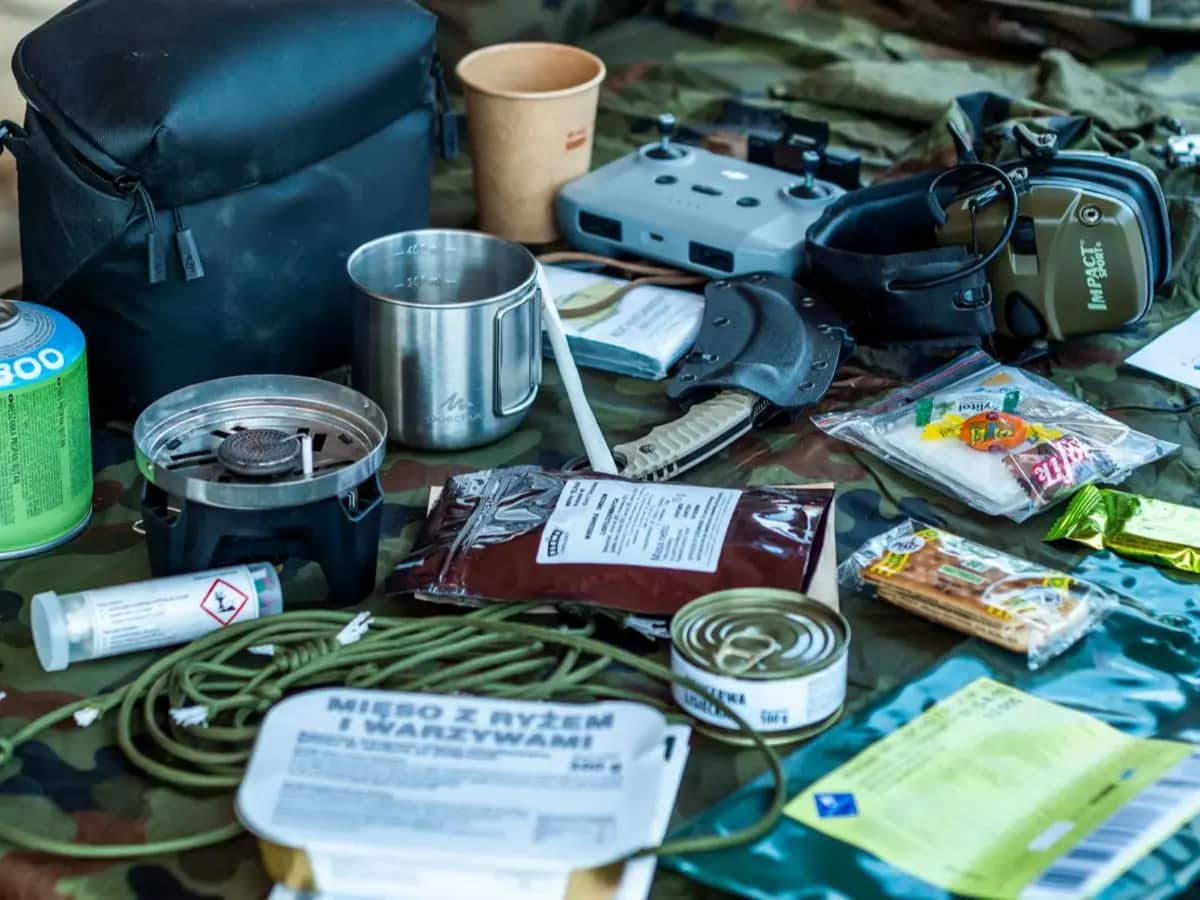
 Foto: SHOX ART / Pexels
10 Expert Tips for the Perfect Bug-Out Bag: What Professionals Do Differently
What makes a professional-grade bug-out bag different from a standard kit? These 10 expert tips improve any emergency backpack from good to reliable.
A bug-out bag packed by an experienced prepper looks different from a beginner's kit. Not necessarily more gear — often less, but better organized and more thoughtfully chosen. Here are 10 expert principles that separate reliable emergency bags from expensive ones that fail when needed.
Tip 1: Weight Beats Comprehensiveness
The most common mistake: adding too much gear. A 20kg bag that exhausts you after 3km is worse than a 10kg bag that you can carry for 30km.
Expert rule: Your bug-out bag should weigh no more than 20-25% of your body weight. For a 70kg adult: max 14-17kg.
How to apply it: After packing, weigh your bag. If it's over this limit, cut ruthlessly. Every item in an emergency bag needs to justify its weight.
Tip 2: Test Your Bag Before You Need It
Most people never carry their bug-out bag more than from the closet to the car. Experts actually carry their bags.
The test: Walk 10km with your packed bag. What hurts? What do you wish you had? What do you regret packing? This one walk reveals more than hours of theoretical planning.
Tip 3: Layer Your Systems (Rule of 3)
For critical survival categories, professionals pack three independent solutions:
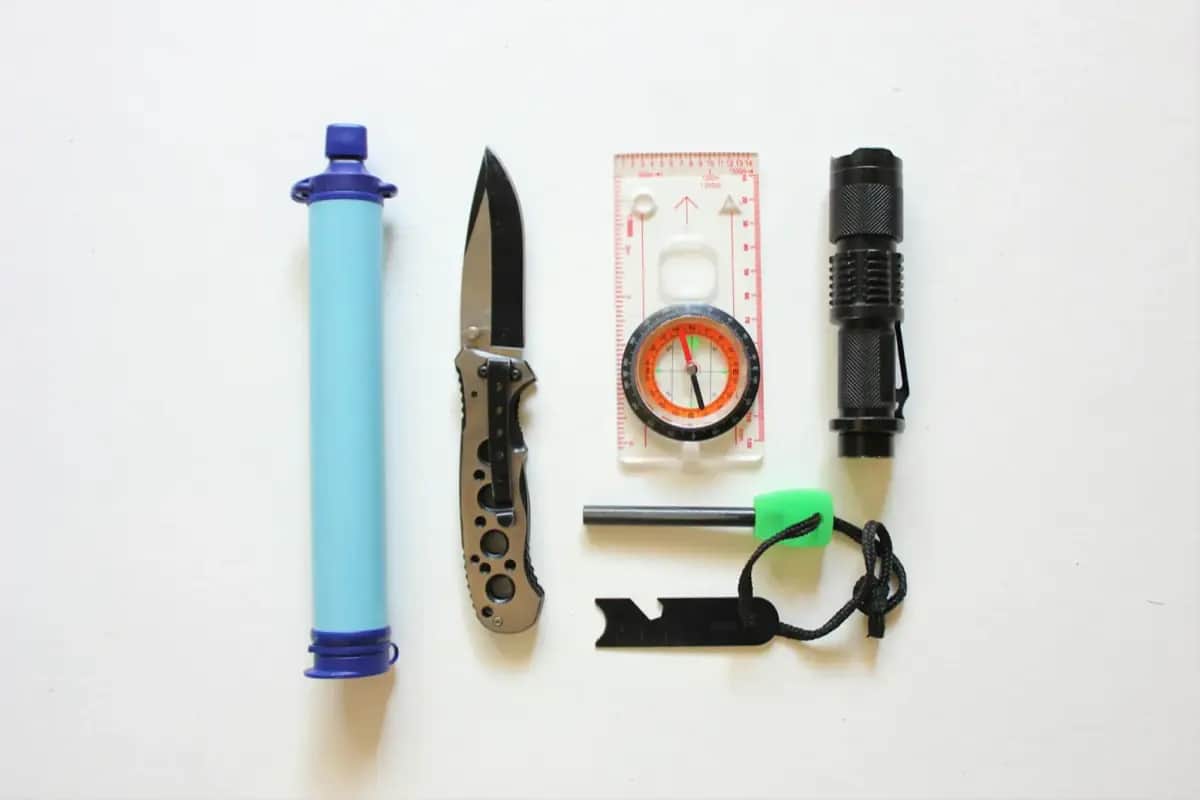
Fire: Lighter + waterproof matches + fire steel Water: Filtration + chemical tablets + boiling capability Navigation: Phone + paper map + compass
If one system fails, you have redundancy. This doesn't apply to every item — just life-critical functions.
Tip 4: Know Your Bug-Out Route
A bag without a plan is just heavy. Before you need to evacuate, establish:
- Where are you going? (At least 2-3 options)
- How will you get there? (Primary + alternate routes)
- How will you communicate with family members?
- What triggers using your bug-out bag?
Practice the route once — on foot if possible for your primary destination.
Tip 5: Season Your Bag
A winter emergency requires different gear than a summer one. The best bags are modular:
Year-round core: Water filtration, fire, navigation, first aid, shelter Summer additions: Insect protection, sun protection, lighter sleeping bag Winter additions: Extra warm layers, hand warmers, heavier sleeping bag
Review and adjust your bag seasonally. Takes 30 minutes twice a year.
Tip 6: Pack for Your Specific Scenario
A bug-out bag for urban evacuation differs from wilderness survival. Know what you're actually preparing for:
Urban evacuation scenario (most likely): 3-day supply, documents, cash, communication, less survival gear Wilderness survival scenario: Water filtration, fire, shelter, navigation, more food
In Europe, urban evacuation with a 72-hour supply covers 95% of realistic emergency scenarios. Design for your most likely scenario, not the most extreme one.
Tip 7: Store Documents and Cash Properly
What to include:
- Copies of all important documents (ID, passport, insurance, medical records)
- Cash in small bills (ATMs and card systems fail in extended emergencies)
- USB drive with digital document copies
How to protect: Waterproof bag or sealed Ziploc for documents. Keep cash and documents in a separate small pouch you can grab quickly if you must abandon the main bag.
Tip 8: Medication and Medical Information Card
This is the most overlooked category. Professionals include:
- Current medication supply (2-week supply minimum for prescription medications)
- Written list of medications, dosages, and allergies
- Blood type card (in wallet)
- Emergency contact information
Someone else may need to help you if you're incapacitated. Make it easy for them to know what medications you take.
Tip 9: Prioritize Food-to-Weight Ratio
Not all emergency food is equal in calories per gram:
| Food | Calories/100g | Notes |
|---|---|---|
| Olive oil | 884 kcal | Best calorie density |
| Nuts | 600 kcal | Great compact option |
| Peanut butter | 588 kcal | Calorie dense, protein |
| Energy bars | 400 kcal | Convenient, varied |
| Freeze-dried meals | 400 kcal | Taste, requires water |
| Crackers | 450 kcal | Bulky for calories |
Expert choice: A combination of nuts, energy bars, and 1-2 freeze-dried meals provides 3 days of calories in under 2kg.
Tip 10: Maintain Your Bag
An emergency bag requires regular maintenance:
- Every 6 months: Check food and water expiration dates, replace expired items
- Every year: Full inspection — test flashlights, check batteries, review contents
- After any use: Replace everything used
The forgotten maintenance item: Water in your bag expires too. Treat or rotate sealed water every 6-12 months (buy new) or every 6 months (if storing tap water in your own bottles).
Recommended Products
As an Amazon Associate we earn from qualifying purchases. Buying through our links supports the development of this app at no extra cost to you.