 Foto: Marta Branco / Pexels
9 Bug-Out Bag Packing Mistakes Almost Everyone Makes
These 9 common bug-out bag mistakes make your emergency pack less useful or completely useless. Fix them before you actually need to use your bag.
Why Bug-Out Bag Mistakes Are So Costly
A bug-out bag mistake isn't discovered in a store or during an afternoon's packing session. It's discovered at 2 AM when you're evacuating with 15 minutes' notice, your bag is too heavy to carry more than 500 meters, and the one item you desperately need is buried under everything else.
These nine mistakes are the most common — and each has a clear, practical fix.
Mistake 1: The Bag Is Too Heavy to Carry
The most universal bug-out bag mistake. People pack for every conceivable scenario and end up with a 25–35 kg bag they cannot carry for more than a few hundred meters.
A bug-out bag is not a cache. It's a mobile survival kit. If you can't carry it for 3–4 hours, it will be abandoned when you need it most.
The rule: Loaded bag weight should not exceed 20–25% of your body weight. For a 70 kg adult: maximum 14–17 kg. For most people, the practical ceiling is 12–15 kg.
The test: Pack the bag, put it on, and walk for two hours. If you're exhausted and uncomfortable, reduce weight. Do this before the emergency.
Mistake 2: No Organization System
A bag packed without a system — items stuffed in wherever they fit — requires emptying the bag to find what you need. In an emergency, this is dangerous and time-consuming.
Pack in accessibility zones:
- Top pocket and top of bag: most frequently needed items (headlamp, snacks, water, first aid kit)
- Middle: food, cooking gear, clothing layers
- Bottom: shelter, sleeping equipment, items used at the end of the day
Everything in a consistent location. After 10 uses, muscle memory takes over and you can find items in the dark.
Mistake 3: Expired Food and Dead Batteries
A bug-out bag that is packed once and never checked degrades silently. Energy bars expire. Batteries self-discharge. Medications expire. Lighters leak fuel.
When you actually need the bag, you reach for the headlamp and find dead batteries. You open the emergency ration bar and it's two years expired and tastes of cardboard.
Annual maintenance: Full inventory check, every January or every six months. Replace expired items. Check all battery-powered devices. Recharge the power bank.
Set a recurring calendar reminder. This takes 30 minutes once a year.
Mistake 4: Forgetting Prescription Medications
In emergency evacuations, this is among the most consequential failures. People with diabetes, heart conditions, epilepsy, or psychiatric conditions who evacuate without their medications may face life-threatening withdrawal or decompensation within 24–72 hours.
The solution: Keep a 7-day supply of all critical medications in your bug-out bag. Update this supply when prescriptions change. Rotate regularly to prevent expiration. Include a written list of your medications, dosages, and the prescribing doctor's contact.
For medications that cannot be kept at room temperature (insulin, some biologics): your bag needs an insulated compartment or a plan for cold storage during evacuation.
Mistake 5: No Virus-Safe Water Purification
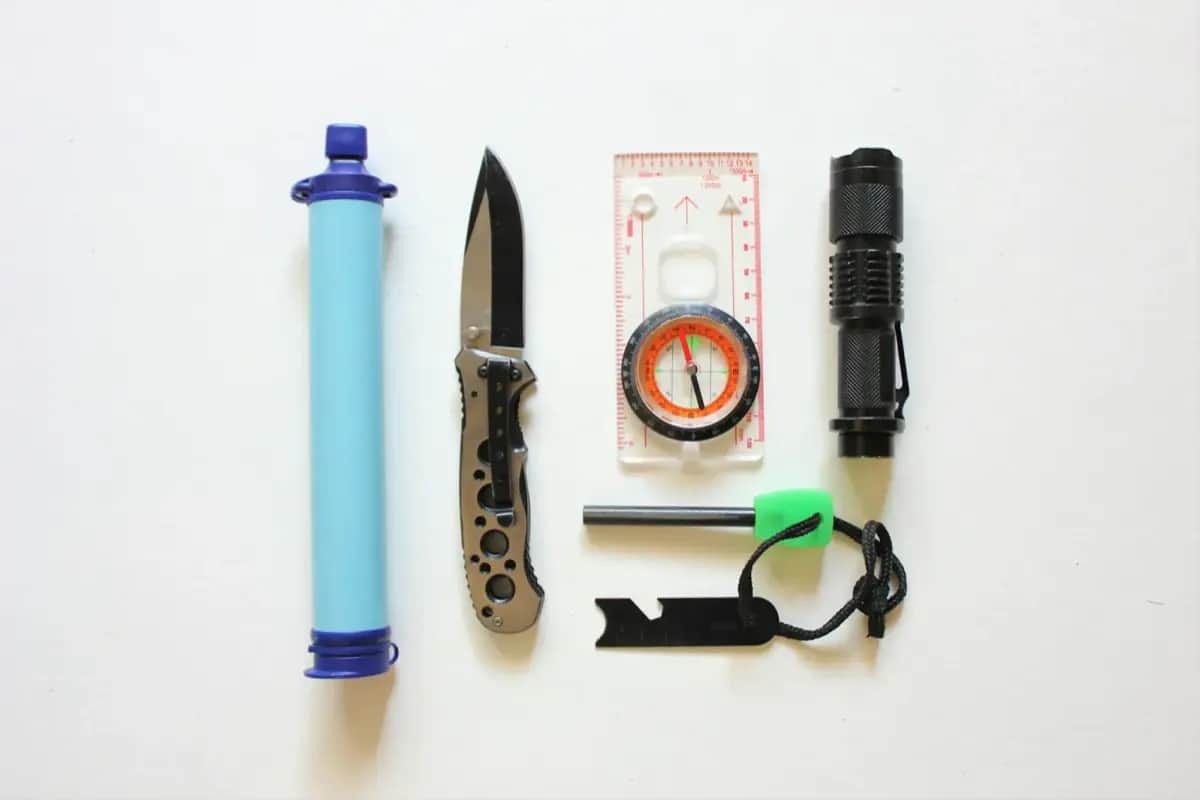
Most people include a hollow-fiber filter (Sawyer or LifeStraw) — an excellent choice for most scenarios. But hollow-fiber filters do not remove viruses. In a widespread crisis involving damaged sewage infrastructure, urban floodwater, or contaminated water supply, the viral contamination risk is significant.
The fix is trivially simple: add €10 of chlorine dioxide tablets (Micropur Forte or Aquatabs) to your kit. Ten tablets weigh almost nothing and protect against bacteria, protozoa, and viruses. This one addition converts incomplete biological protection into complete protection.
Mistake 6: No Cash
Evacuation often requires paid transportation, food at filling stations, hotel accommodation, or supplies at stores that may not have working payment terminals during a crisis.
A bug-out bag without cash is dependent on functioning payment infrastructure — which is exactly what fails during major emergencies.
Include €200–500 in cash, in mixed denominations (small bills are more useful). Keep it in a waterproof document pouch alongside your document copies.
Mistake 7: The Bag Attracts Unwanted Attention
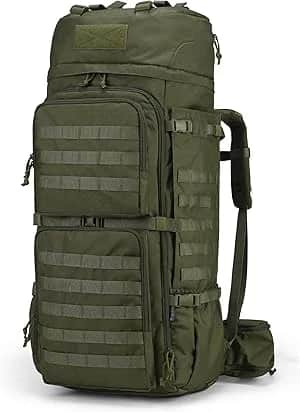
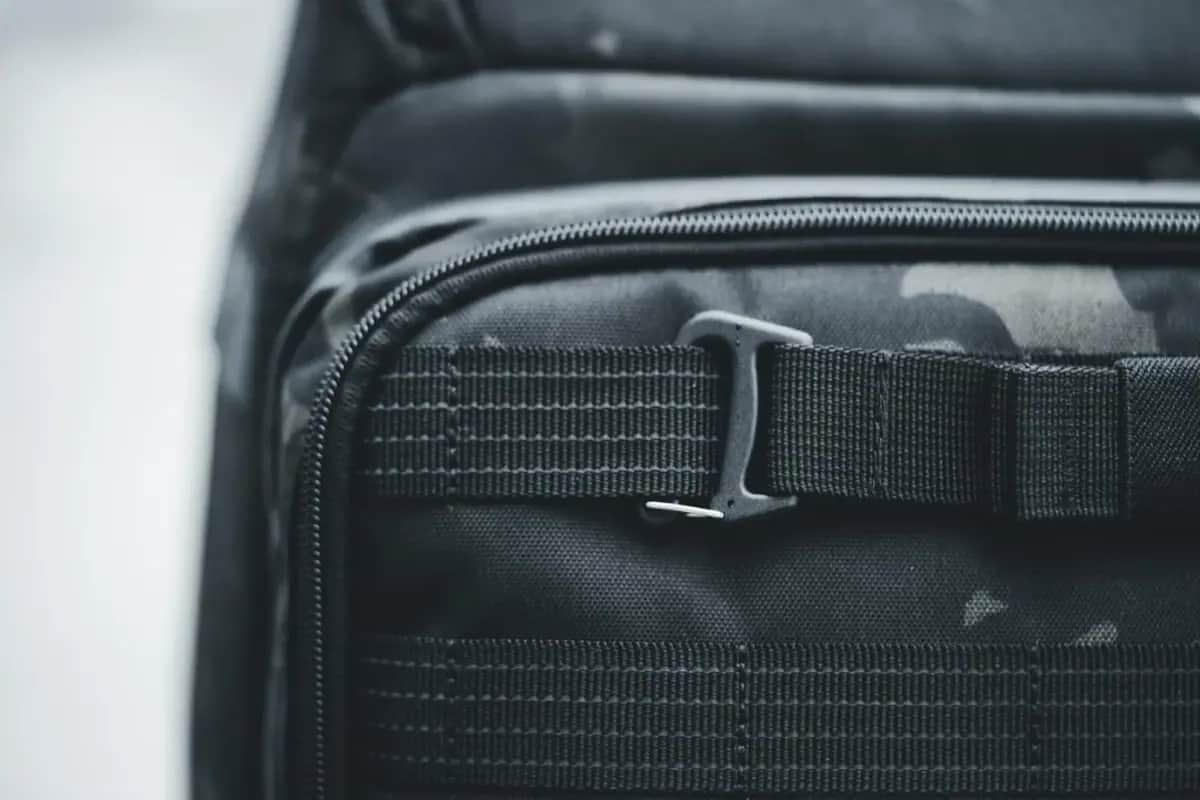
Tactical military-style bags in black or green with MOLLE webbing and patch attachments are popular in the prepper community. They're also visually distinctive in a crowd of evacuees and may signal "this person has valuable survival equipment."
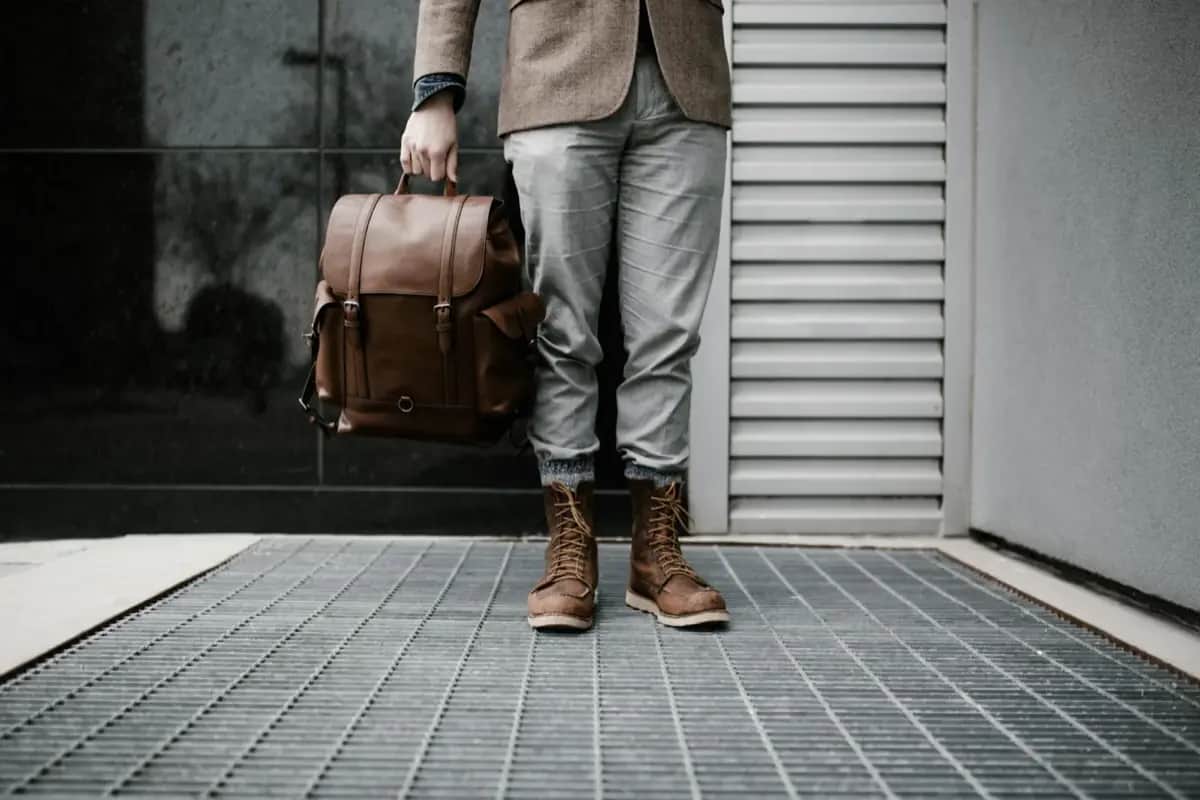
In a real evacuation scenario, blending in is beneficial. A neutral-colored civilian daypack draws no more attention than any other traveler's bag.
Recommended colors: Grey, navy, dark brown, earth tones. Avoid: multicam, olive drab, black tactical styling.
Mistake 8: No Printed Map or Navigation Plan
When cell networks fail — within 8–24 hours of a major power outage — GPS and Google Maps fail with them. Your phone becomes a device with a map that can't load.
A laminated paper map of your local area (50 km radius) costs €2–5 and works without any power. A compass costs €5–15.
More importantly: know your route. Know your intended destination. Know two alternate routes. Write the addresses down on paper. This planning takes 20 minutes; in an emergency, it's the difference between purposeful movement and wandering.
Mistake 9: Never Testing the Bag
The most important step, consistently skipped: actually using the bag before you need it.
Take it on a day hike. Do an overnight camp. Make a meal from the emergency food. Navigate with the paper map and compass. Use the water filter. Operate the headlamp.
This reveals:
- Which items are in the wrong place
- What you thought you had but don't
- What the food actually tastes like
- Whether the bag fits properly with the weight you've packed
A tested bag is a bag you can trust. An untested bag is a collection of theoretical preparations.
Summary
| Mistake | Fix |
|---|---|
| Too heavy | Maximum 20% of body weight; practice carry test |
| No organization | Accessibility zones; consistent placement |
| Expired items | Annual inventory check; replace all expired |
| No medications | 7-day supply; written list of medications |
| Incomplete water purification | Add chlorine dioxide tablets alongside hollow-fiber |
| No cash | €200–500 in small bills |
| Tactical appearance | Neutral civilian colors |
| No printed map | Laminated local map + compass |
| Never tested | Use it before you need it |
Address all nine points, and your bag will be genuinely useful when the situation demands it.
Recommended Products
As an Amazon Associate we earn from qualifying purchases. Buying through our links supports the development of this app at no extra cost to you.