 Foto: Ozzie Kirkby / Unsplash
Bug Out Bag Checklist: The Complete 72-Hour Emergency Pack
Everything that belongs in a 72-hour emergency bag — for individuals, families, and pet owners.
What Is a Bug Out Bag?
A bug out bag (BOB) — also called a go-bag, 72-hour bag, or emergency evacuation kit — is a pre-packed backpack containing everything you need to survive independently for 72 hours if you must leave your home suddenly.
The name comes from "bugging out" — military slang for rapid evacuation. But you don't need military training or prepper philosophy to benefit from one. A go-bag is simply a practical tool for one of the most common emergency scenarios: being told to evacuate your home on short notice.
When would you need a bug out bag?
- Wildfire approaching your neighborhood
- Mandatory evacuation for a flood, chemical spill, or gas leak
- Earthquake or structural damage to your home
- Extended power outage forcing you to leave a home that's become too cold or hot
- Any situation where staying home becomes dangerous
The 72-hour window: Emergency management agencies estimate that most relief infrastructure becomes operational within 3 days of a major disaster. Your bug out bag gets you through that gap.
Bag Selection and Weight
The bag itself matters as much as what's in it.
Recommended specs:
- Capacity: 30-50 liters for adults
- Suspension system: Padded hip belt to transfer weight from shoulders to hips (essential for bags over 15 lbs)
- Weather resistance: Built-in rain cover or waterproof material
- Organization: Multiple compartments; MOLLE webbing for attachment of extra pouches
- Color: Neutral colors (gray, black, olive drab) — avoid camouflage patterns, which can attract unnecessary attention from authorities in some contexts
Weight limits:
- Adults: 20-25% of body weight maximum (~15-20 lbs / 7-9 kg for most adults)
- Teens (14-17): 15% of body weight
- Children (under 12): 5-8 lbs max, focus on comfort items and their own snacks
The Complete Bug Out Bag Checklist
Water and Hydration
| Item | Quantity | Notes |
|---|---|---|
| Water (ready to drink) | 1.5-2 liters | BPA-free bottle or hydration bladder |
| Water filter | 1 | Sawyer Squeeze or LifeStraw |
| Water purification tablets | 1 pack | Chlorine dioxide; backup for filter |
| Collapsible water bottle | 1-2 | For collecting and carrying additional water |
Food and Nutrition
| Item | Quantity | Notes |
|---|---|---|
| Energy bars | 6-9 bars | 2-3 per day; high calorie density |
| Trail mix and nuts | 1 lb (450g) | Protein + healthy fats |
| Jerky or canned fish pouches | 6 pouches | Shelf-stable protein |
| Freeze-dried meal pouches | 3-4 pouches | Just-add-water; lightweight |
| Emergency food ration bar (Datrex, SOS Food Lab) | 1 pack | 3,600 cal per pack; compact |
| Instant coffee or tea bags | Small supply | Comfort + morale |
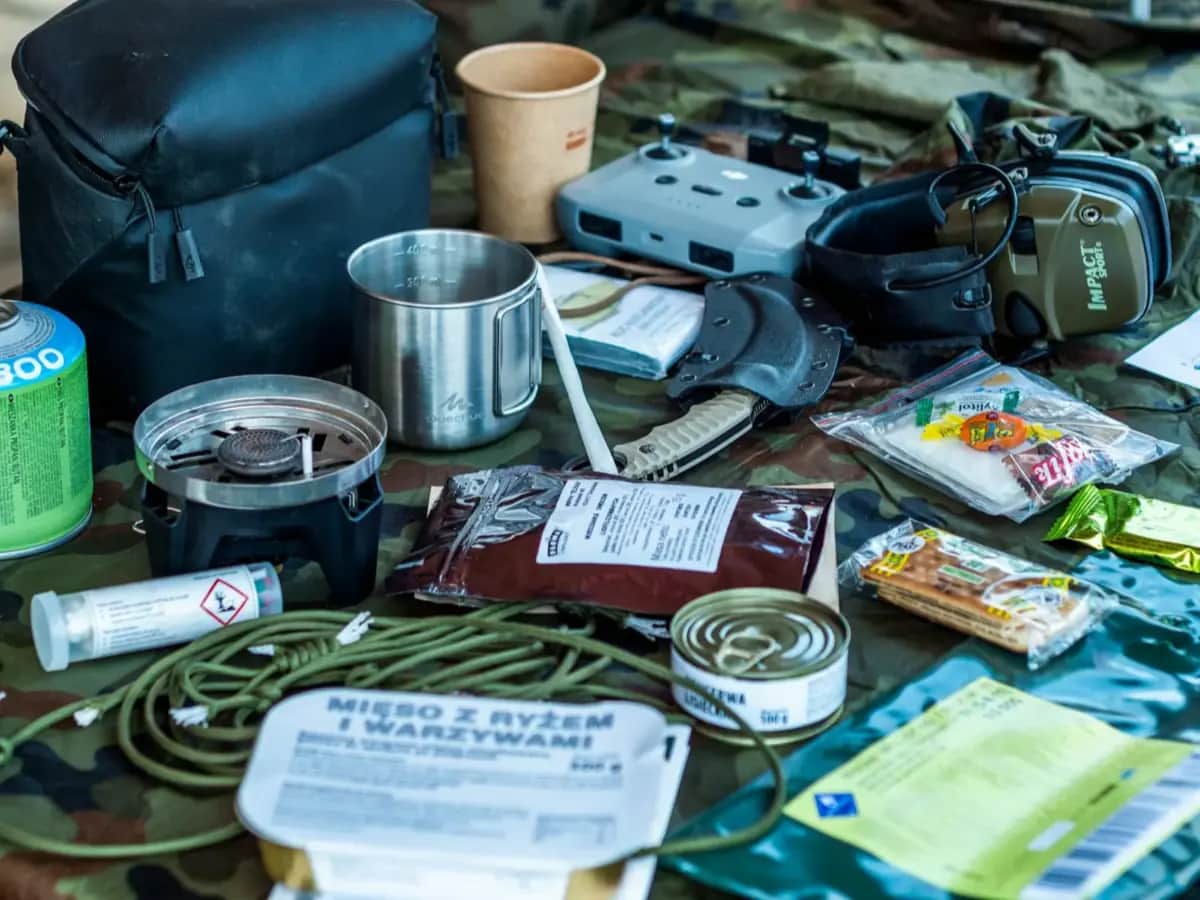
| Camp stove + fuel | 1 set | Optional; significantly improves comfort |
| Utensils (spork + can opener) | 1 set | Lightweight titanium or stainless |
First Aid and Medical
| Item | Notes |
|---|---|
| Adhesive bandages (assorted) | 15+ pieces |
| Sterile gauze pads | 4x4 inch, minimum 6 pads |
| Medical tape | 1 roll |
| Elastic bandage (ACE wrap) | 1 roll — sprains and pressure dressings |
| Trauma bandage / Israeli bandage | 1 — for serious bleeding |
| Antiseptic wipes and antiseptic gel | Single-use packets |
| Nitrile gloves | 2 pairs |
| Scissors and tweezers | Standard first aid scissors |
| Thermometer | Compact oral thermometer |
| Pain relievers (ibuprofen, acetaminophen) | 2-3 days supply |
| Antihistamines | For allergic reactions |
| Personal prescription medications | 5-7 day supply |
| First aid instruction card | Laminated reference |
Communication and Navigation
| Item | Notes |
|---|---|
| Battery-powered radio | AM/FM/NOAA weather alerts |
| Power bank (10,000-20,000 mAh) | Fully charged; maintain charge regularly |
| Phone charging cables | USB-C and Lightning if relevant |
| Paper maps of your region | Topographic + road maps; waterproof if possible |
| Compass | Learn to use it before an emergency |
| Notepad and waterproof pen | Written messages, notes |
| Whistle | Signal for help; heard over much longer distances than shouting |
| Emergency contact list (paper) | 10+ names and numbers |
Shelter and Warmth
| Item | Notes |
|---|---|
| Emergency mylar sleeping bag | Compact; reflects body heat |
| Emergency bivvy sack | Wind and rain protection |
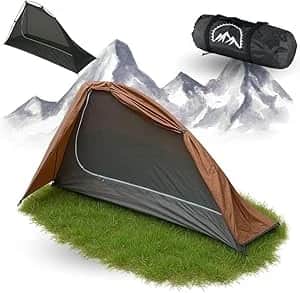
| Lightweight tarp (5x7 or 8x10 ft) | Versatile shelter, sun shade, rain catch |
| 550 paracord (50 ft / 15m) | Tarp rigging, clothesline, repairs |
| Lightweight sleeping bag | For family bags; rated to 20°F (-7°C) |
| Rain jacket and rain pants | Waterproof, packable |
| Thermal base layer | Wool or synthetic |
| Hat and gloves | Critical in cold weather |
| Extra socks | Wet feet lead to blisters; cotton kills |
Tools and Fire Starting
| Item | Notes |
|---|---|
| Multi-tool (Leatherman or similar) | Knife, pliers, screwdriver, saw |
| Fixed-blade knife | For larger cutting tasks |
| Lighter (2 lighters) | BIC or windproof lighter |
| Waterproof matches | In a waterproof case |
| Magnesium fire starter | Backup; works wet |
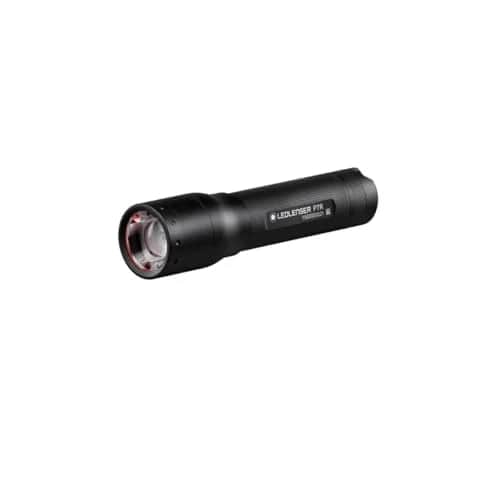
| Headlamp + spare batteries | Hands-free lighting; critical for night |
| Backup flashlight | AA or AAA, small and light |
| Duct tape (small roll) | Repairs, blister prevention, improvised tools |
| Zip ties (assorted) | Infinite uses |
Documents and Finances
| Item | Notes |
|---|---|
| Passport or government ID (copies) | Originals if safe; at minimum copies |
| Health insurance information | Card and policy number |
| Emergency contact list | Separate from phone |
| Property/lease documents | Proof of residence for shelters |
| Cash ($200-300 in small bills) | ATMs fail in power outages |
| Credit card (one backup) |
Additional Gear for Families
Infants and toddlers (0-3):
- Diapers: 20-30 (3-day supply)
- Baby wipes: large pack
- Formula or breast pump with battery/hand power
- Jarred baby food (3-day supply)
- Pacifiers and comfort toy
- Baby carrier/sling — keeps hands free for carrying other gear
Children (4-12):
- Own small backpack with their name and your contact info inside
- Contents: snacks, water bottle, comfort item, glow stick
- Simple game or activity for waiting periods
- Rain poncho (child-sized)
Teenagers:
- Treat like adults with a proportionally lighter pack
- Their own go-bag with personal essentials
Pets:
| Item | Notes |
|---|---|
| Food (3-day supply) | In airtight bag or container |
| Collapsible food and water bowl | Lightweight silicone |
| Leash, collar with ID tag | Updated contact info |
| Vaccination and health records | Shelters may require proof |
| Carrier or crate (cats/small pets) | Required for some shelters |
| Comfort item | Familiar blanket or toy |
| Medications | If your pet takes regular medication |
Maintaining Your Go-Bag
A bug out bag is only useful if it's ready. Set a recurring calendar reminder:
Every 6 months:
- Check food and water expiration dates
- Inspect medications for expiration
- Test all electronic devices (radio, flashlight, power bank)
- Recharge power bank
- Check that documents are current (ID not expired, contacts up to date)
Seasonally:
- Swap clothing for seasonal appropriateness (winter coat vs. light jacket)
- Adjust sunscreen, insect repellent
After any use:
- Restock everything that was used immediately
Location: Keep your bag where you can grab it in 30 seconds. Near the front door or in a dedicated emergency closet — not in a storage room you'd have to navigate in the dark.
Starting From Zero
If you have no go-bag at all, start with the core five:
- Water (1 bottle) and purification tablets
- 3-4 energy bars
- Flashlight with working batteries
- Copies of your ID and emergency contacts on paper
- $100-200 cash
Put these in any sturdy bag near your door. You now have a go-bag. Build from there.
Recommended Products
As an Amazon Associate we earn from qualifying purchases. Buying through our links supports the development of this app at no extra cost to you.