 Foto: Aleks Magnusson / Pexels
72-Hour Bag vs. 2-Week Bag: Which Do You Actually Need?
Should you build a 72-hour bug-out bag or a 2-week emergency supply? Understanding the scenarios each covers and which is right for your situation.
The emergency preparedness community is divided on whether to prioritize a 72-hour portable kit or a 2-week home stockpile. The real answer: you need both — but they serve completely different scenarios. Here's how to think about each.
The 72-Hour Bag: Designed for Evacuation
Core scenario: You need to leave your home quickly and won't return for at least 3 days.
Real examples:
- House fire
- Flooding that requires evacuation
- Hazmat incident or gas leak nearby
- Government-ordered evacuation
Key characteristics:
- Portable — you carry it on your back
- Light enough for extended carry (max 20-25% body weight)
- Self-contained — doesn't require your home infrastructure
- Quick to grab — already packed, near the door
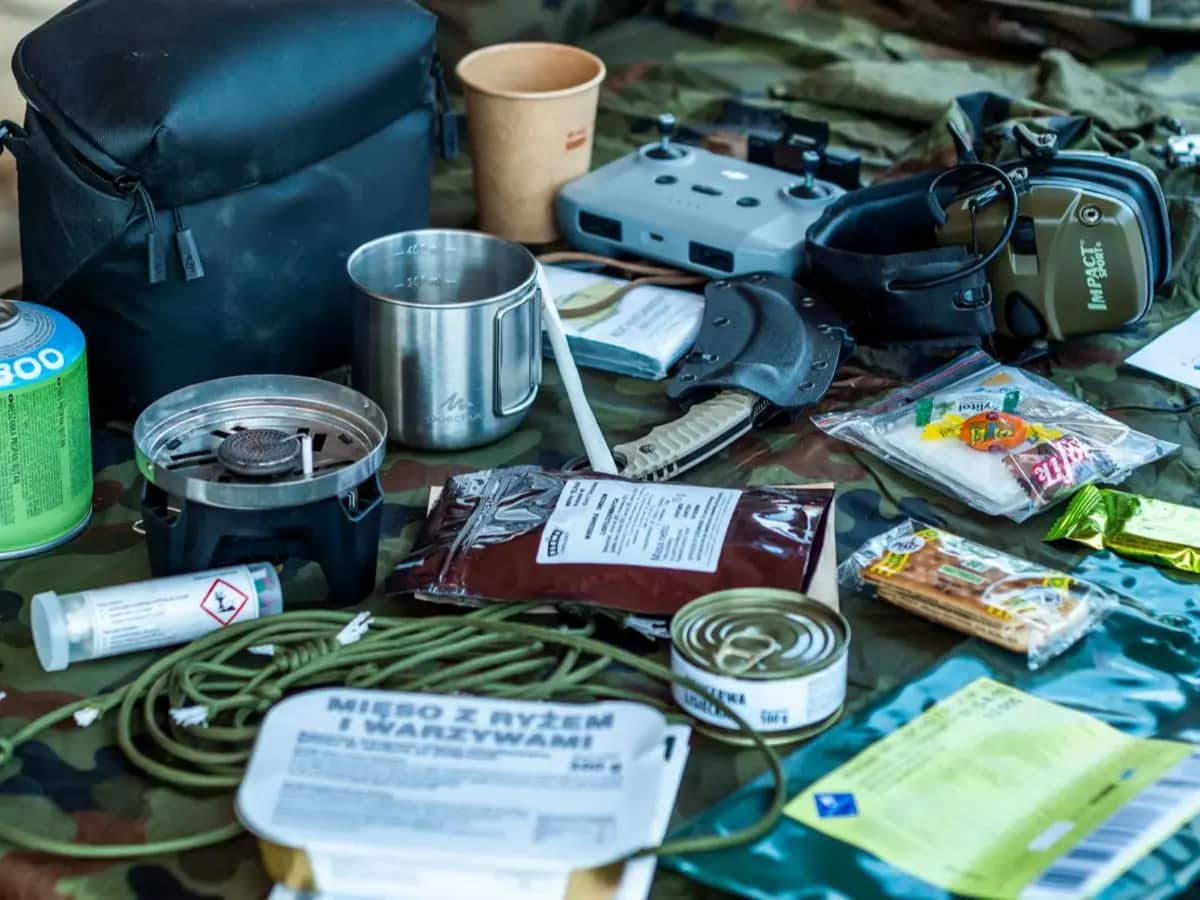
What it must contain:
- 3 days of food and water
- Shelter, warmth, first aid
- Documents and cash
- Communication tools
- Everything fits in 35-55L bag
What a 72-hour bag CANNOT do:
- Sustain a family for weeks
- Replace home infrastructure (cooking, sanitation)
- Support people with complex medical needs beyond basic first aid
The 2-Week Home Supply: Designed for Sheltering in Place
Core scenario: An emergency disrupts supply chains, utilities, or services — but you can stay in your home.
Real examples:
- Extended power outage (1-2 weeks)
- Supply chain disruption (COVID-19 style)
- Severe weather keeping you home
- Economic disruption affecting supply availability
- Quarantine or medical emergency
Key characteristics:
- Stays at home — not portable
- Larger quantities possible (weight doesn't matter)
- Includes full cooking capability
- Uses home infrastructure (if available)
What it must contain:
- 14+ days of food per person
- 14+ days of water (or purification capability)
- Cooking fuel and equipment
- Extended medical supplies
- Sanitation supplies
What a 2-week supply CANNOT do:
- Move with you when you must evacuate
- Replace the 72-hour grab-bag if you need to leave fast
The Scenarios They Cover
| Scenario | 72-Hour Bag | 2-Week Supply |
|---|---|---|
| House fire evacuation | YES | No |
| Flood evacuation | YES | No |
| 3-day power outage | Possible | YES |
| 2-week power outage | No | YES |
| COVID-style supply disruption | No | YES |
| Hazmat/chemical incident | YES | No |
| Natural disaster + infrastructure | Both | Both |
The Priority Order
Start with a 72-hour bag. It's more portable, cheaper to build, and covers the most acute emergencies. A house fire or flood evacuation requires immediate portable resources — a full pantry at home is irrelevant.
Then extend to 2-week home supply. Once your portable bag is ready, build out your home supply. This covers the longer-duration scenarios that affect many more people (power outages, supply disruptions) more frequently.
Building Both Without Overwhelming Yourself
Month 1-2: Build the 72-hour bag (€100-200) Month 3-4: Build 2-week water supply (stored water + purification) Month 5-6: Build 2-week food supply Month 7+: Maintain, refine, extend to 4-week supply
Spreading it over 6 months means roughly €50-100 per month of investment — manageable for most households.
The Honest Minimum
If you can only do one thing: build a 72-hour bag first.
The most common emergencies requiring immediate action (house fire, evacuation) require portable supplies you can grab in seconds. The less common but more sustained emergencies (extended outages, supply disruptions) build from the same foundation.
Your 72-hour bag, combined with whatever you normally have at home (typically 3-7 days of food for most households), actually covers you for a surprisingly wide range of scenarios.
Recommended Products
As an Amazon Associate we earn from qualifying purchases. Buying through our links supports the development of this app at no extra cost to you.