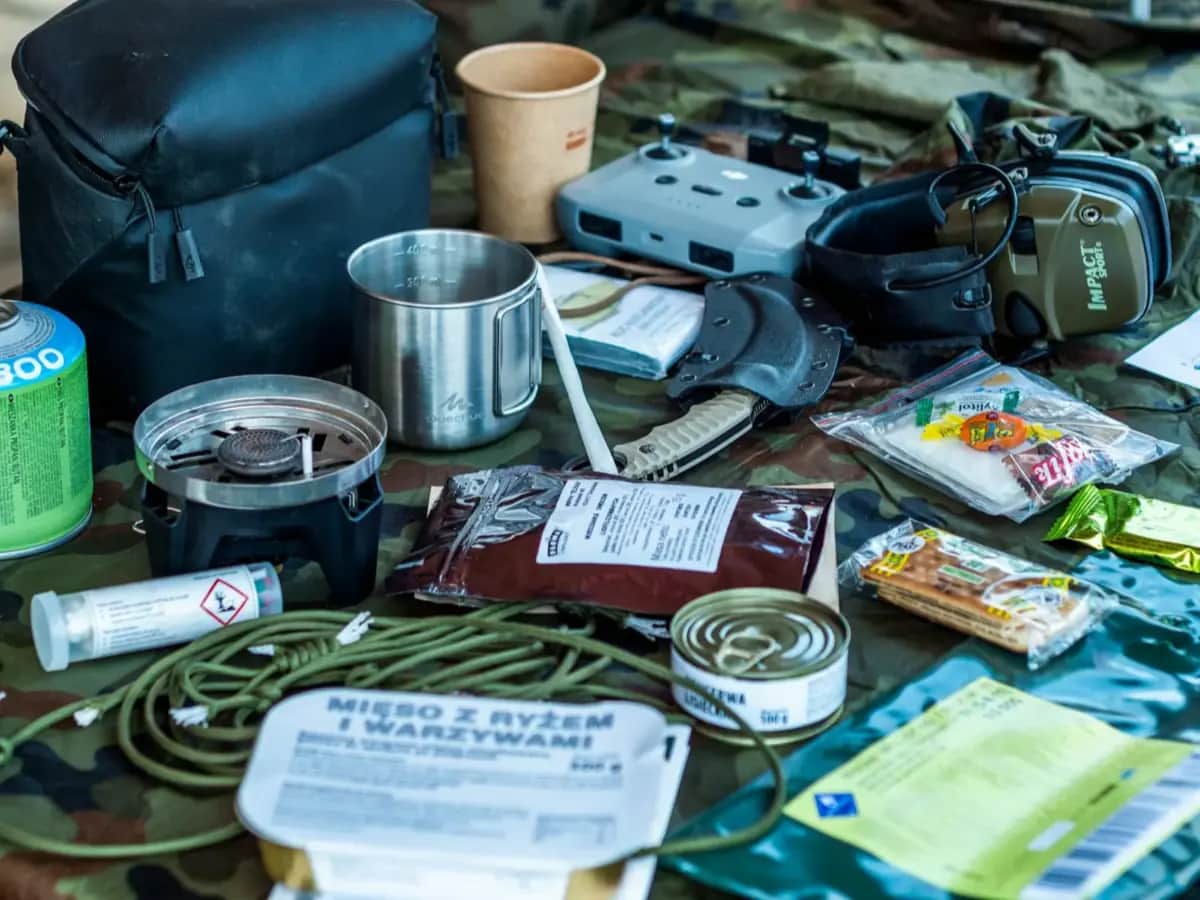
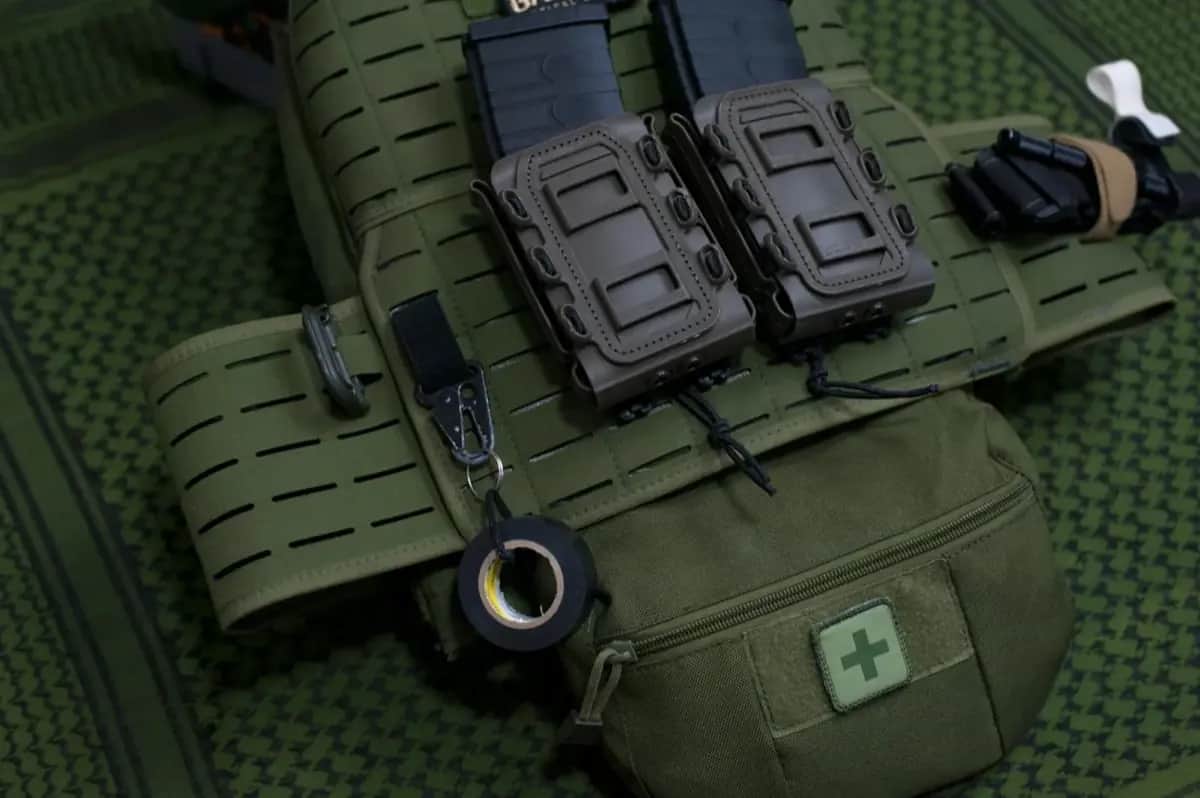
 Foto: Dan Galvani Sommavilla / Pexels
Bug-Out Bag Simply Explained: What It Is and Why You Need One
What is a bug-out bag and why should you have one? Simple, jargon-free explanation of the concept, what belongs inside, and how to get started.
"Bug-out bag" sounds like military jargon. The concept is simple: it's an emergency backpack that has everything you need to survive for 72 hours if you have to leave your home quickly. No survivalist ideology required.
The Core Concept
A bug-out bag (also called a 72-hour bag or go-bag) is based on one question: If you had to leave your home in 15 minutes with no time to pack, would you have everything you need?
For most people, the honest answer is no. A properly prepared bug-out bag means the answer becomes: yes, it's already packed and ready.
When Would You Actually Use a Bug-Out Bag?
This isn't a Hollywood scenario. These situations are real and happen regularly:
- House fire: You're out in seconds with no time to grab anything
- Natural disaster: Flood, severe storm forcing evacuation
- Infrastructure failure: Extended power outage requiring moving to family or shelter
- Evacuation order: Government or emergency services direct you to leave your area
- Gas leak or chemical incident: Evacuation needed immediately
In all these scenarios, having a pre-packed bag means you leave quickly and confidently, not scrambling and forgetting critical items.
The 72-Hour Rule
Why 72 hours? Because in developed countries, emergency management agencies typically establish temporary housing, supply distribution, and basic services within 72 hours (3 days) of a major incident.
Your bag bridges the gap from when you leave to when external help or normal supply chains are accessible again.
What Goes in a Bug-Out Bag?
Water and Purification
- 2-3 liters of water (heavy but essential)
- Water purification tablets
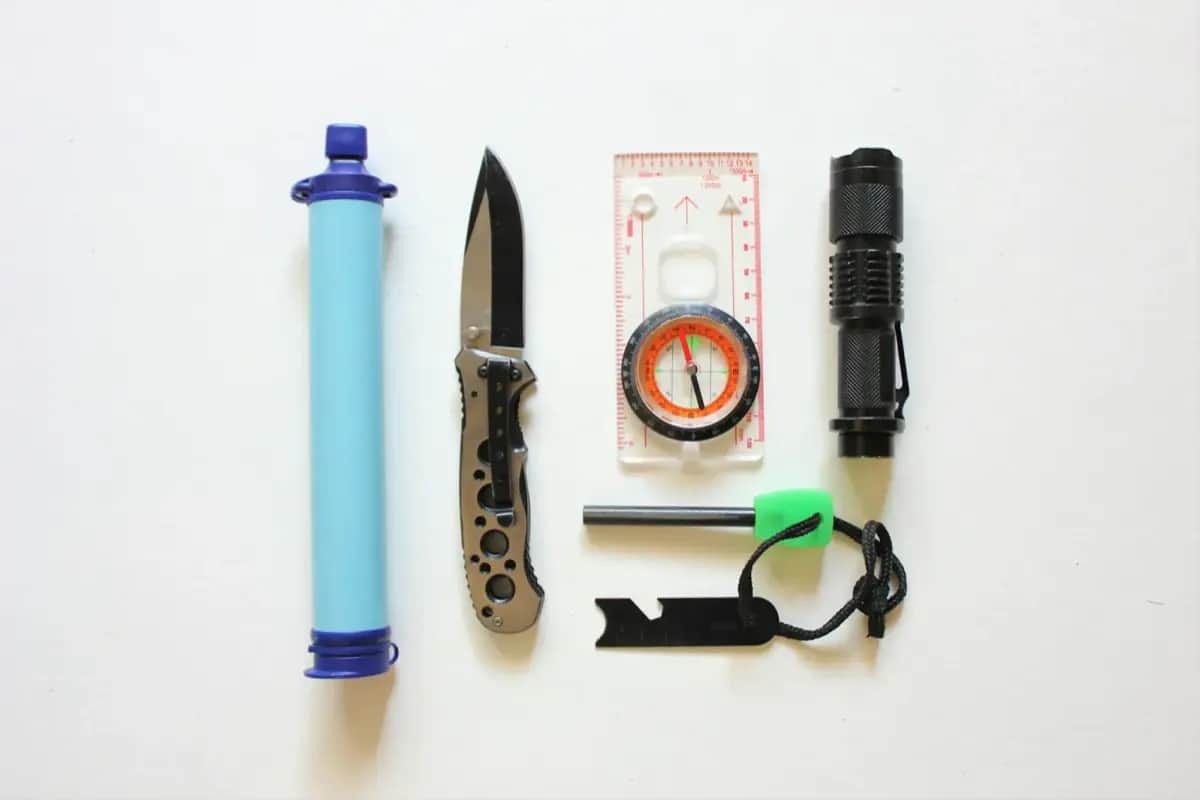
- A compact hollow fiber filter
Food
- 3 days of food (~6,000 calories for an adult)
- Compact options: energy bars, nuts, freeze-dried meals
- No-cook options in case you can't heat food
Shelter and Warmth
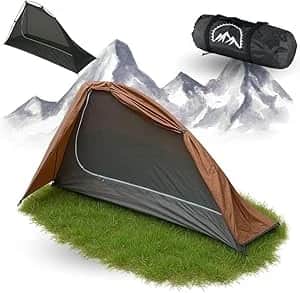
- Emergency bivouac or lightweight shelter (weight: 300g)
- Mylar emergency blankets (2x)
- Extra warm layer (fleece or packable down)
- Rain protection (poncho or jacket)
First Aid
- Basic first aid kit (bandages, antiseptic, pain medication)
- Any prescription medications (2-week supply minimum)
- Written medication and allergy list
Communication and Information
- Battery-powered or hand-crank radio
- Phone charger and battery pack (power bank)
- Copies of important documents
- Cash in small bills (€100-200 minimum)
Navigation and Light
- Paper map of your local area and route to destination
- Compass (basic, not complex)
- Headlamp with spare batteries
Tools
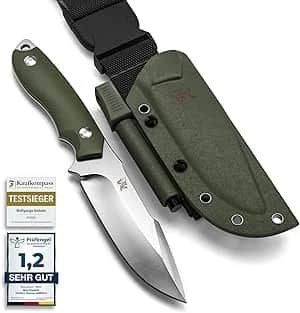
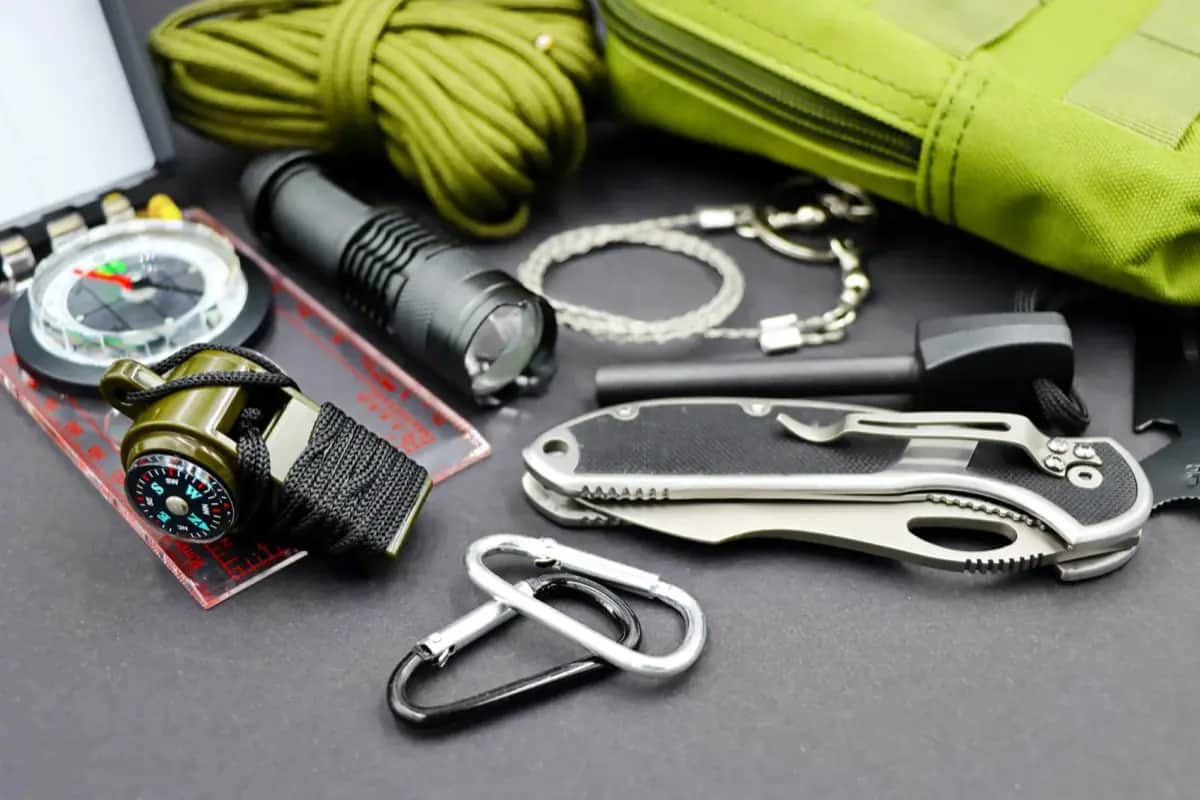
- Multi-tool or Swiss Army knife
- Fire starting kit (lighter + waterproof matches)
- Duct tape (a strip, not a full roll)
How Heavy Should It Be?
Rule of thumb: no more than 20-25% of your body weight. For most adults, this means 12-18kg maximum.
Beginners frequently overpack. A well-organized 15L bag can hold a complete 72-hour kit for one person.
How to Get Started
Week 1: Get a bag (30-55L, comfortable straps) Week 2: Pack water and purification Week 3: Add food for 3 days Week 4: Add first aid and medications Week 5: Add shelter and warmth Week 6: Add documents and cash
Spread over 6 weeks, it costs roughly €20-30 per week and never feels overwhelming.
One Final Point: Location Matters
Your bug-out bag should be in a location where you can grab it in 30 seconds:
- Near your front door
- In your bedroom closet
- In your car
A perfect bag in the attic is worthless if you have 15 minutes to leave.
Recommended Products
As an Amazon Associate we earn from qualifying purchases. Buying through our links supports the development of this app at no extra cost to you.