 Foto: Pixabay / Pexels
5 Mistakes That Make Cheap Crisis Preparedness Unnecessarily Expensive
These 5 common mistakes in budget crisis preparedness waste money and deliver less protection than simple alternatives. How to avoid them.
Mistake 1: Buying Specialized "Survival" Products Instead of Normal Equivalents
The preparedness market sells 72-hour emergency food kits at €80-120 for two people that you could replicate from supermarket staples for €20. The specialized packaging, "10-year shelf life" marketing, and "professional grade" claims add cost without proportionate value.
For most household scenarios (1-14 day disruptions), normal supermarket food stored properly outperforms freeze-dried "survival food" in:
- Cost per calorie (2-4x less)
- Familiarity (you actually like eating it)
- Accessibility (available this week, not via mail order)
Exception: Very long-term storage (5+ years) or space-constrained scenarios where caloric density justifies cost.
Mistake 2: Buying Everything at Once After a Scare Event
Panic purchasing is expensive purchasing. After a news event triggers anxiety, people make rushed purchasing decisions: overpriced immediate-availability products, duplicate items, impulse buys of low-priority gear.
This is exactly how the preparedness industry maximizes revenue.
Alternative: Plan your preparedness build-up over 3-6 months. Research each purchase. Buy from discount retailers and secondhand markets. The per-euro value is 2-3x better.
Mistake 3: Expensive Gear for Scenarios That Won't Occur Where You Live
A seismic-resistant water filter is irrelevant if you live in northern Germany. A specialized radiation protection kit is irrelevant if you live 500km from the nearest nuclear plant with prevailing winds in the wrong direction.
Know your actual risk profile before buying. The BBK risk assessment tool and your municipality's hazard information tell you what's realistic for your location.
Common German household scenarios: power outage, regional flooding, supply chain disruption. These require: food, water, radio, light, heat backup. Not tactical gear.
Mistake 4: Storing Food You Don't Eat
"Emergency food" stored away and never touched is wasted money for two reasons:
- It goes past expiry and must be discarded
- You haven't tested whether you can cook these items on a camping stove
The best emergency food is the food you already eat. Stock 2-4 weeks of your normal staples, with higher shelf life prioritized (canned goods, dried legumes, rice, pasta). Rotate them into normal cooking. Replenish as you use.
This "store what you eat, eat what you store" principle means your emergency supply is always fresh and costs exactly what your normal food costs.
Mistake 5: Ignoring Free and Cheap Actions While Buying Expensive Gear
People spend €200 on specialized gear while skipping the most effective preparedness actions:
- NINA app (free): high value
- Family emergency plan (free): high value
- Local risk research (free): high value
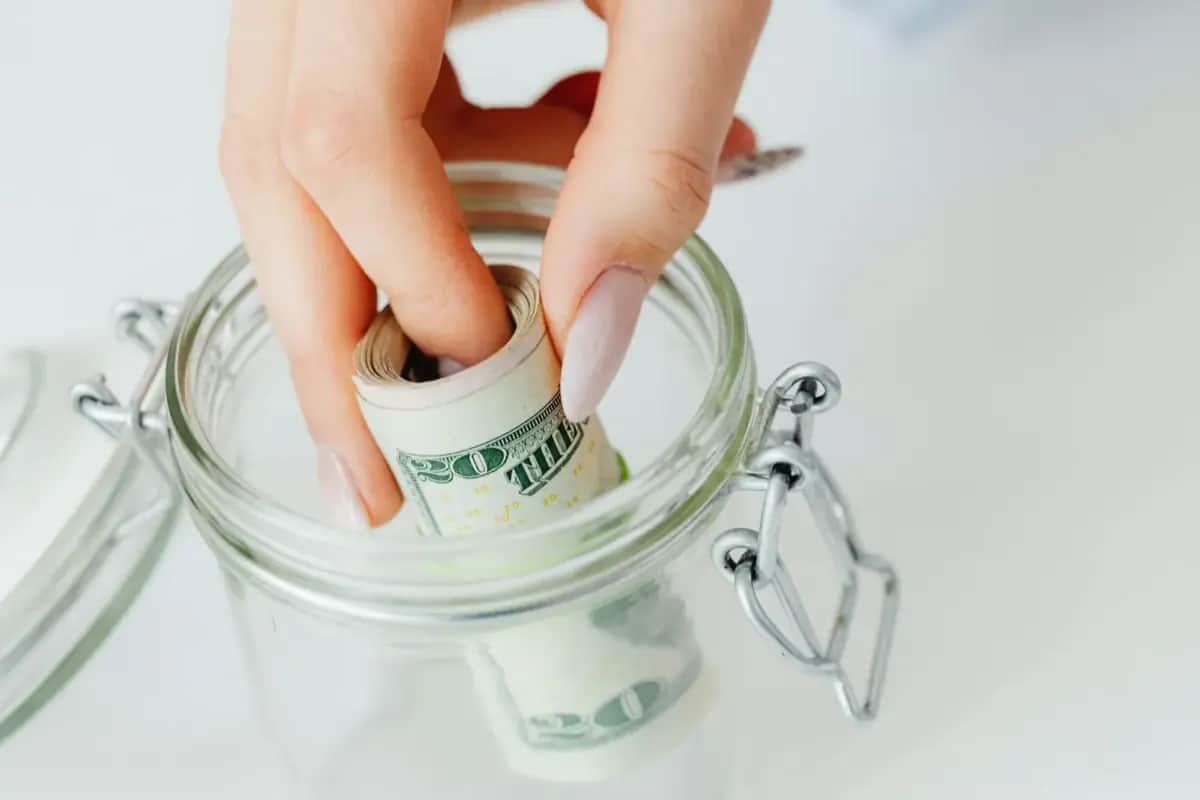
- Cash reserves (€200, already owned): essential
Versus:
- Tactical backpack (€120): moderate value
- Freeze-dried food subscription (€80/month): low value per euro vs. supermarket equivalent
- Specialized filter straw (€50): situational value at best
The expensive items feel more "serious" but the free actions provide more actual resilience for most scenarios.
The Cheap Preparedness Principle
Every preparedness decision should pass this filter: "Is there a functionally equivalent option that costs less?"
Usually there is:
- Regular canned goods vs. specialized emergency rations → canned goods
- Secondhand camping stove vs. new → secondhand
- Store-brand rice vs. branded emergency rice → store-brand
- Refillable water containers vs. specialist water barrels → refillable containers
Apply this filter consistently and your preparedness budget goes 2-3x further.
Recommended Products
As an Amazon Associate we earn from qualifying purchases. Buying through our links supports the development of this app at no extra cost to you.