 Foto: Paige Thompson / Pexels
Water Filter Myths: What Actually Works Against Viruses, Bacteria, and Chemicals
Does a good water filter remove everything including viruses? 5 common myths about water filters in emergency situations — and what actually works.
Myth 1: "A Good Water Filter Removes Everything — Including Viruses"
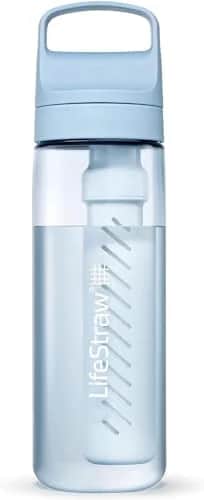
Reality: Hollow fiber filters (the most popular technology, e.g., Sawyer Squeeze, LifeStraw) reliably remove bacteria and protozoa, but NOT viruses. The pores are 0.1-0.2 micrometers — bacteria are 1-10 micrometers, but viruses are only 0.02-0.3 micrometers.
What works against viruses: UV water purifiers (SteriPen), chemical treatment (chlorine tablets), or boiling.
Best combination: Hollow fiber filter + UV treatment or boiling.
Myth 2: "Water Filters Last Forever If You Clean Them"
Reality: Hollow fiber filters can be regenerated by backflushing but have a total capacity limit. Typical capacities: Sawyer Squeeze: 378,000 liters (practically unlimited), LifeStraw Personal: 4,000 liters.
More important than exhausting the filter is contamination from sediment buildup — if a heavily loaded filter isn't cleaned immediately, bacteria can colonize the filter medium.
Myth 3: "Clear Water Doesn't Need Filtering"
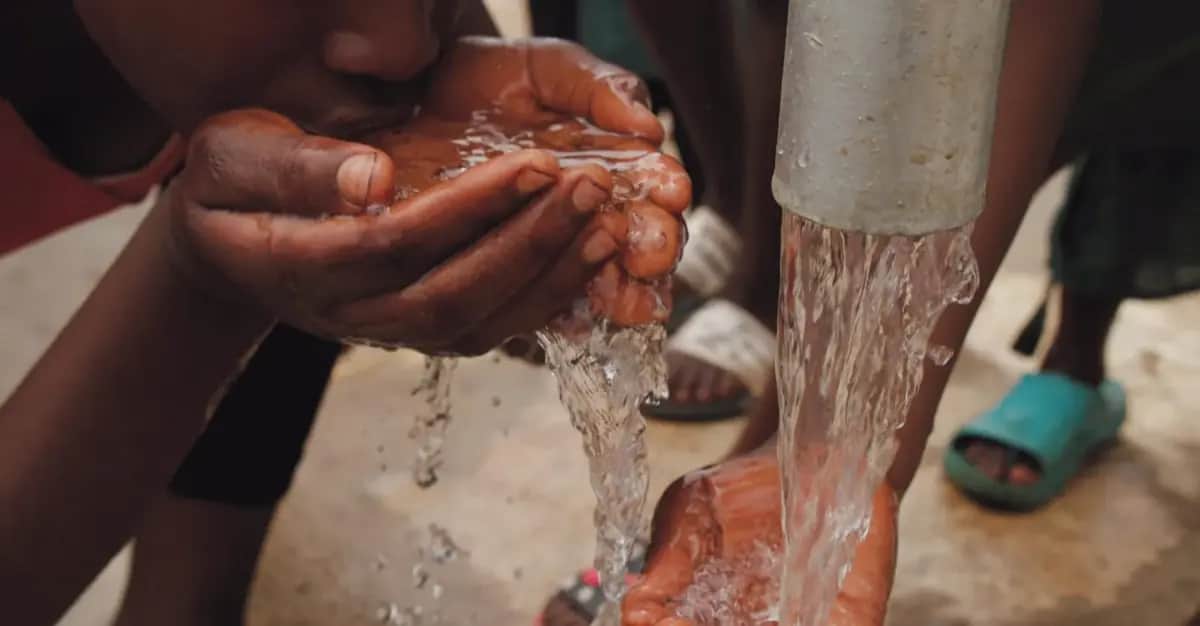
Reality: Clear water looks pure but can be invisibly contaminated. Pathogens like Cryptosporidium, Giardia, or Campylobacter cause no cloudiness. Nitrates, pesticides, and heavy metals are transparent.
Rule: Always filter and treat water from unknown sources regardless of clarity.
Myth 4: "Chemical Filters Work Immediately"
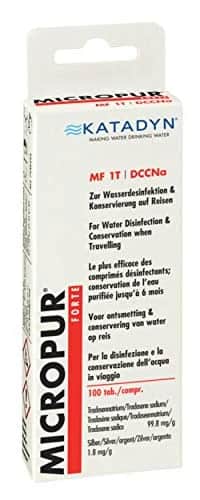
Reality: Chlorine tablets and iodine need contact time. At 20°C: 30 minutes. In cold water (under 10°C): up to 4 hours. In cloudy water: significantly reduced effectiveness.
Correct use: Pre-filter cloudy water through hollow fiber or cloth first, then treat chemically, observe wait time.
Myth 5: "Pitcher Filters Like Brita Are Sufficient for Emergency Preparedness"
Reality: Activated carbon filters improve taste and reduce chlorine — but they don't remove pathogens. They're designed for normal drinking water improvement, not emergency water purification.
In a crisis, if tap water may be contaminated, a pitcher filter won't protect you.
Water Filter Comparison
| Method | Removes | Doesn't Remove | Cost |
|---|---|---|---|
| Hollow fiber (Sawyer) | Bacteria, protozoa | Viruses, chemicals | €30-80 |
| UV purifier (SteriPen) | Viruses, bacteria, protozoa | Sediment, chemicals | €80-150 |
| Chlorine tablets | Viruses, bacteria | Some protozoa | €10-20/set |
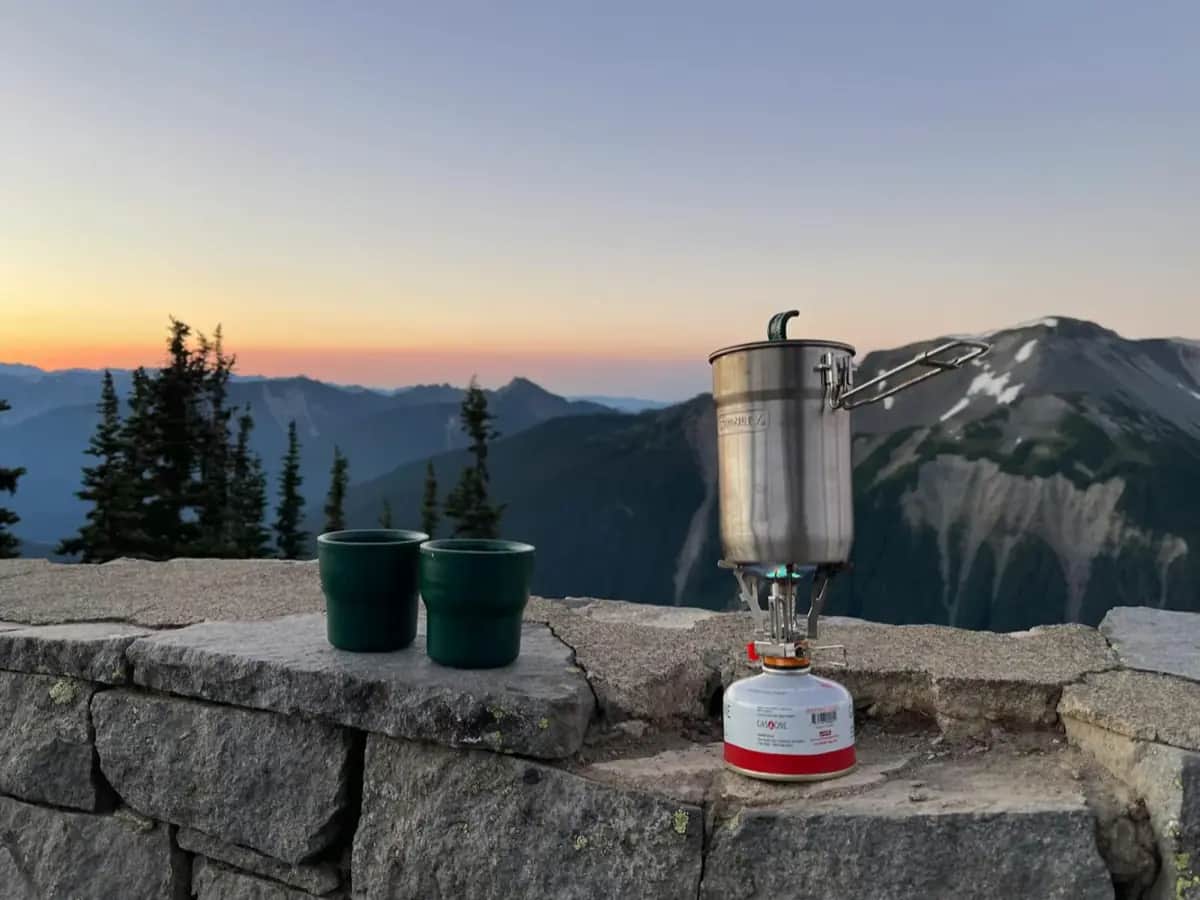
| Boiling | All biological threats | Chemicals | Free |
Conclusion
No single water filter protects against all threats. The safest method in a crisis is combination: pre-filtration + chemical treatment or UV purification. Boiling is the simplest and most reliable method when fuel is available.
Recommended Products
As an Amazon Associate we earn from qualifying purchases. Buying through our links supports the development of this app at no extra cost to you.