 Foto: Abhishek Navlakha / Pexels
Stay or Flee? The Hardest Decision in a Wartime Scenario
When should you shelter in place, when should you evacuate? A rational decision framework for the most difficult question in any crisis scenario.
The Decision That Changes Everything
In a crisis, people face a fundamental decision: stay home or leave the area? There's no universally correct answer — the situation, available information, and personal circumstances determine what's smarter.
When Staying Makes Sense
Threat is not immediate: If fighting is far away and there's no direct danger to your location, staying is often safer. Fleeing on overcrowded roads carries its own risks.
Sufficient supplies: With food, water, and medications for 4+ weeks, you can wait out a period of uncertainty at home.
Leaving is more dangerous than staying: Overcrowded escape routes, roadblocks, fighting on main roads.
Vulnerable people at home: Elderly, infants, seriously ill — evacuation may be medically risky for them.
When Fleeing Makes Sense
Immediate combat nearby: Artillery or air strikes in your immediate area make staying life-threatening.
Authorities recommend evacuation: Official evacuation recommendations should always be taken seriously.
Infrastructure collapsing: No water, no power, no food supply for the foreseeable future.
Concrete destination: Fleeing without a plan is dangerous. A known safe destination makes evacuation plannable.
The Decision Framework
Ask these 5 questions:
- How close are the fighting? Over 50 km — monitor. 10-50 km — prepare. Under 10 km — seriously evaluate.
- What do authorities recommend?
- What's the evacuation situation? Are roads clear? Is fuel available?
- How long can you survive at home? With a 4-week supply: longer wait possible.
- Do you have a concrete destination?
What Both Scenarios Require
For staying: Adequate food and water (4 weeks), safe basement or interior room, communication without internet, medication supply.
For fleeing: Emergency bag ready, fuel in car (always above 50%), pre-planned route and destination, documents accessible, cash, offline maps.
Conclusion
The stay-or-flee decision is never final — it must be continuously reassessed as the situation changes. Those who have thought through both scenarios in advance can decide faster and more calmly.
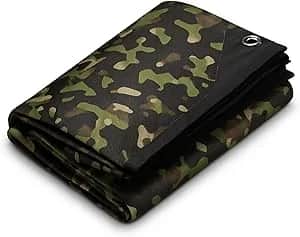
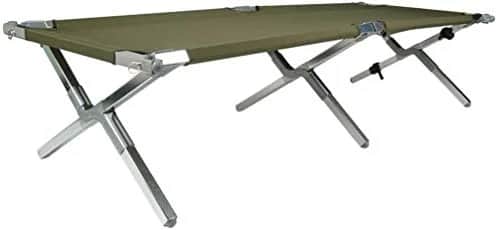
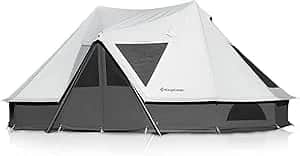
Recommended Products
As an Amazon Associate we earn from qualifying purchases. Buying through our links supports the development of this app at no extra cost to you.