 Foto: Anna Tarazevich / Pexels
Overcome War Anxiety: How to Stay Capable of Action Instead of Paralyzed
News about the Ukraine war paralyzes many people. Psychological strategies to overcome war anxiety and remain capable of purposeful action in uncertain times.
Why War Anxiety Is So Paralyzing
Fear of war is a deep, evolutionarily embedded response. The brain struggles to distinguish abstract threats from immediate ones — when we consume news about bombings, it partially activates the same stress responses as real danger.
The result: paralysis instead of action. Information overload instead of clear thinking.
Strategy 1: Consciously Limit News Consumption
Constant news consumption increases the subjective threat level without improving objective safety. Psychologists recommend: maximum 2 fixed times per day for news, quality sources over social media feeds, no news before sleep.
Strategy 2: Create Agency Through Preparation
Anxiety often arises from feelings of helplessness. The most effective antidote: action.
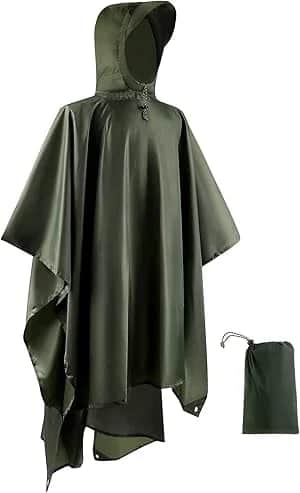
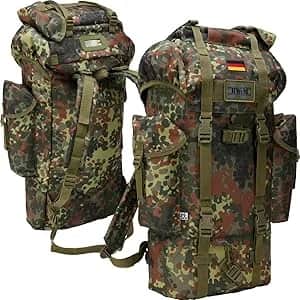
When you build an emergency supply, create an evacuation plan, or learn first aid, you reduce the feeling of powerlessness.
The preparedness paradox: Those who prepare worry less — not more.
Strategy 3: Distinguish Between Probability and Possibility
Much is possible but not everything is probable. A direct attack on Western Europe is possible — but currently assessed as unlikely by all Western intelligence agencies.
Train your mind to ask: "How probable is this really?" — rather than just "Could this happen?"
Strategy 4: Accept Uncertainty
There are things you cannot control: geopolitical decisions, military operations, the course of history. Investing energy in uncontrollable things increases anxiety without helping.
What you can control: your preparation, your information sources, your resilience.
Strategy 5: Community and Conversation
Shared concerns are more bearable. Talk with family or friends about your anxieties — not to escalate, but to process. Community is also the strongest form of crisis resilience.
When Professional Help Makes Sense
If war anxiety continuously impairs daily life, sleep, work, or relationships — therapeutic support can help. Anxiety disorders are treatable.
Conclusion
War anxiety is a normal response to a real threat environment — but it shouldn't paralyze you. Limited news consumption, concrete preparation, and accepting uncertainty make the difference between paralysis and capability.
Recommended Products
As an Amazon Associate we earn from qualifying purchases. Buying through our links supports the development of this app at no extra cost to you.