 Foto: Kindel Media / Pexels
Solar Power Stations for Emergency Preparedness: The Complete Buying Guide
Everything you need to know about solar power stations for emergency preparedness: how they work, which capacity you need, which brands to trust, and what to avoid.
What Is a Portable Solar Power Station?
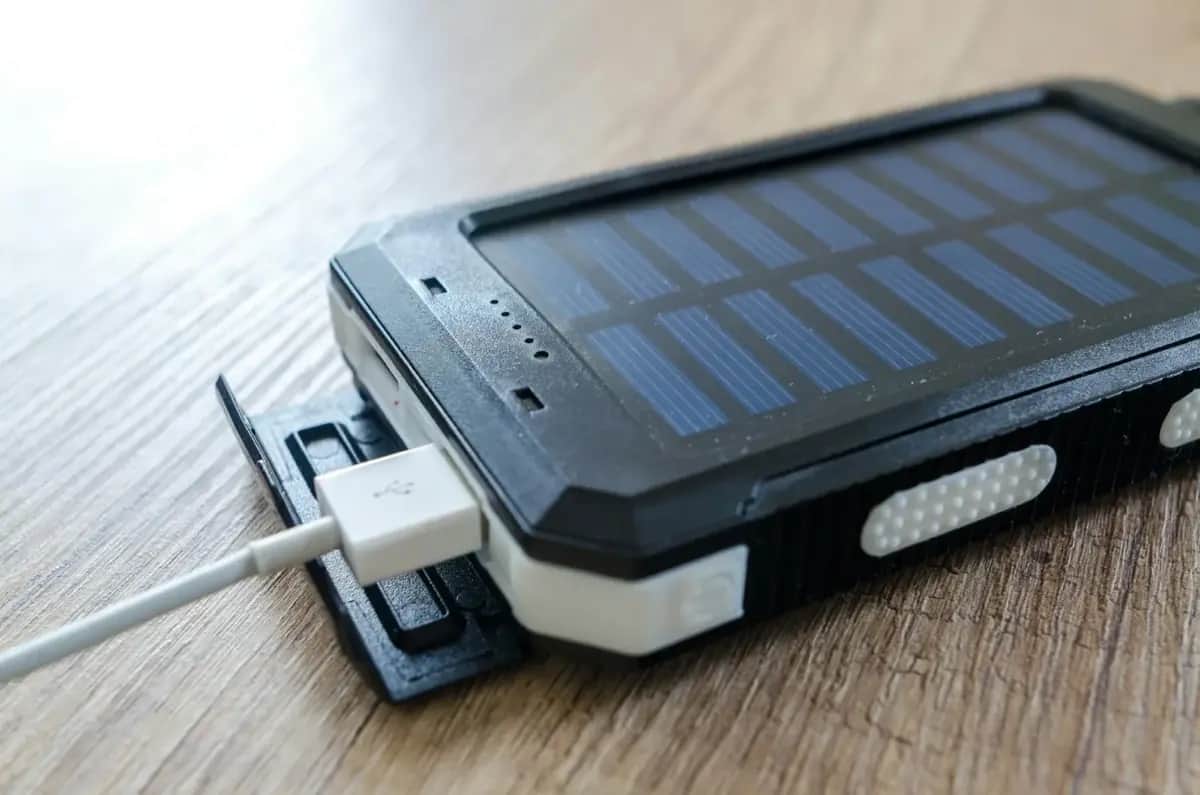
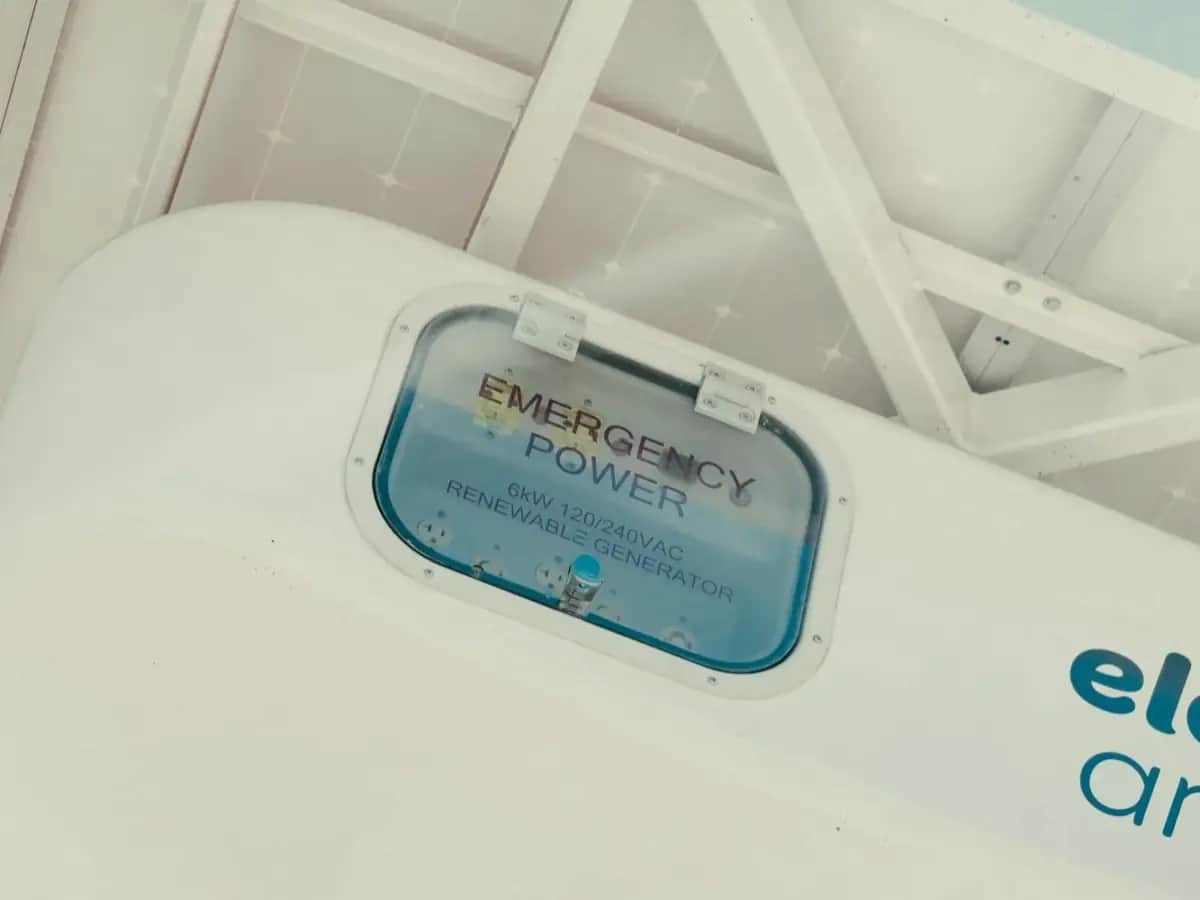
A portable solar power station (also called a portable power station or camping battery) is a large rechargeable battery unit with multiple output types: AC outlets (for standard appliances), DC outlets, USB-A, USB-C, and sometimes 12V car-style connections.
Unlike a generator, it produces no exhaust, makes minimal noise, and can be used safely indoors. Unlike a simple power bank, it has enough capacity to run appliances for hours or days, not just charge phones.
For emergency preparedness, a solar power station serves as:
- Communication hub: Keeps phones, radios, and computers charged
- Medical device backup: Powers CPAP machines, medical devices, insulin refrigerators
- Lighting and basic comfort: LED lights, fans, small heaters
- Food preservation: Small refrigerators for several hours to days
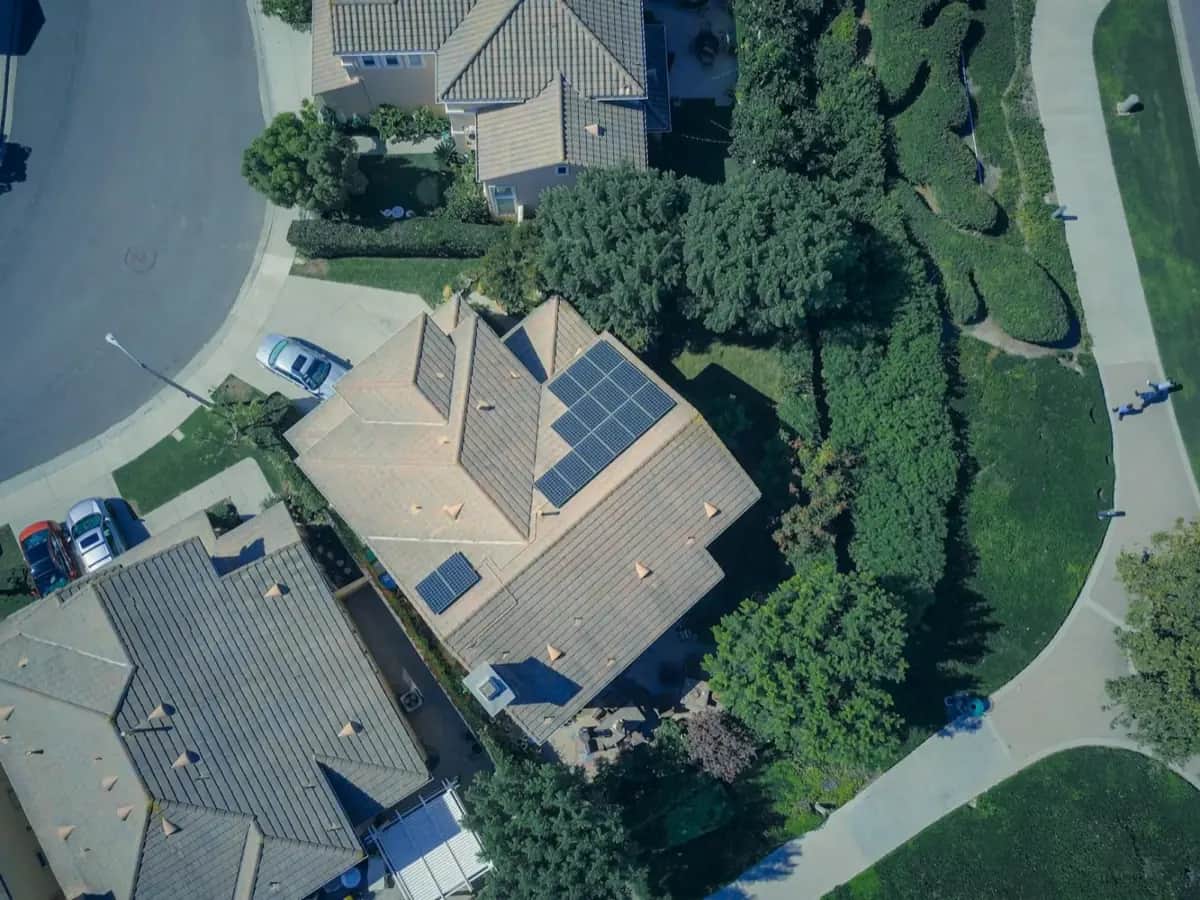
Combined with a solar panel, it becomes a self-sustaining power source that recharges from sunlight even during extended grid outages.
Key Specifications to Understand
Before buying, you need to understand these three numbers:
Capacity (Wh — Watt-hours)
This is the total energy storage, like the "fuel tank." Larger Wh = more energy stored.
Common sizes: 240 Wh, 500 Wh, 1,000 Wh, 2,000 Wh
What 1,000 Wh can power (approximate):
- Smartphone: charged ~80 times
- Laptop: charged ~15 times
- LED camping light: 200+ hours
- CPAP machine (without heating): 1–2 nights
- Small refrigerator (50W): ~15–20 hours
- Electric blanket: 8–10 hours
Power Output (W — Watts)
This is the maximum power it can deliver at once — like the "engine size." If you want to run an appliance, it must draw fewer watts than the unit's output.
Common appliance requirements:
- LED bulb: 10W
- Phone charger: 20W
- Laptop: 60–100W
- CPAP: 40–100W
- Small fridge: 40–80W
- Microwave: 700–1,200W (requires a large unit)
- Electric heater: 1,000–2,000W (generally not suitable for portable power stations)
Recharge Rate (W input via solar)
The maximum solar input determines how quickly you can recharge from panels. A 1,000 Wh unit with 100W solar input takes ~10 hours to charge from empty (in full sun). A unit with 400W input capacity can recharge in ~2.5 hours with adequate panels.
Choosing the Right Capacity
Minimum for Communication and Light: 300–500 Wh
Good for: Phones, tablets, small lights, radio, small fan Not adequate for: Medical devices, refrigerators, extended household use Cost: €200–400 Recommended: EcoFlow River 2, Jackery Explorer 300 Plus
Standard Emergency Preparedness: 1,000–1,500 Wh
Good for: All communication devices + CPAP + small fridge (intermittently) + lighting Adequate for: 72-hour supply of moderate power needs Cost: €600–1,200 Recommended: EcoFlow River 2 Max, Jackery Explorer 1000 Pro, Bluetti EB70
Extended / Medical-Grade Preparedness: 2,000 Wh+
Good for: Full household essential power for days, medical devices, larger fridge Best for: Households with medical devices that cannot be without power Cost: €1,200–2,500+ Recommended: EcoFlow Delta 2 Max, Jackery Explorer 2000 Pro, Bluetti AC200P
Solar Panels: Completing the System
A power station without a solar panel is just a battery. With solar panels, it becomes a self-sustaining power system during extended outages.
How Many Watts of Solar You Need
Match solar capacity to your usage and location:
Example: 1,000 Wh unit used for 500 Wh/day
- Needed daily production: 500 Wh
- In Germany: average 4 peak sun hours/day (summer), 2 hours/day (winter)
- Required panel wattage: 500 Wh ÷ 4 hours = 125W minimum (summer), 250W for winter reliability
Panel Types
Monocrystalline solar panels: Highest efficiency (18–22%), best in low-light conditions, most compact. Recommended.
Folding/portable panels: Designed to travel with the unit; 100W portable panel adds ~€200–400. EcoFlow, Jackery, and Bluetti each sell matched panels for their units.
Which Brands to Consider in 2025
EcoFlow
Strong reputation for quality, fast charging (EcoFlow Fast Charging is industry-leading), good warranty support in Europe. Models: River 2 series (budget), Delta series (mid-high). German/EU customer service available.
Jackery
Market leader for portable power stations. Reliable, good build quality, strong ecosystem of matched panels. Models: Explorer series. Excellent European distribution.
Bluetti
Strong competition with EcoFlow at higher capacity ranges. Good modular expandability (some models accept external battery packs to increase capacity). EU service improving.
What to Avoid
- No-brand units from Amazon marketplace: capacity claims are often exaggerated, battery management systems may be unsafe (lithium battery fires are rare but real)
- Units without stated cycle life: battery cells degrade over charge cycles; quality units specify 500–3,000+ cycles to 80% capacity
- Units with only a 1-year warranty (quality units offer 2–5 years)
LFP vs. NMC Battery Chemistry
Most power stations use one of two lithium battery chemistries:
LiFePO4 (LFP — Lithium Iron Phosphate):
- 2,000–3,500 cycles to 80% capacity
- Thermally stable — significantly lower fire risk
- Heavier per Wh
- Recommended for emergency preparedness (longevity and safety)
NMC (Nickel Manganese Cobalt):
- 500–1,000 cycles typical
- Higher energy density (lighter)
- Higher fire risk than LFP
- Acceptable for portable use; less ideal for permanent emergency backup
For emergency preparedness stored in your home, LFP is the better choice.
The Complete Emergency Power System
Minimum Setup (1 Person, Budget: €400)
- 500 Wh unit (EcoFlow River 2 or similar): €250–350
- 100W portable solar panel: €100–150
- Total: €350–500
Standard Family Setup (Budget: €1,200)
- 1,500 Wh unit (EcoFlow Delta 2 or similar): €700–900
- 200W solar panel (2× 100W): €200–350
- Total: €900–1,250
Medical/Extended Setup (Budget: €2,000+)
- 2,000+ Wh unit with expandable battery: €1,200–2,000
- 400W solar array: €400–600
- Total: €1,600–2,600
Maintenance and Storage
- Keep battery at 40–80% charge for long-term storage (avoids degradation at extremes)
- Charge once per month if in storage
- Store at room temperature (avoid garage extremes)
- Test equipment annually with actual load
Recommended Products
As an Amazon Associate we earn from qualifying purchases. Buying through our links supports the development of this app at no extra cost to you.