 Foto: RDNE Stock project / Pexels
Self-Defense for Women: Practical Tips That Really Help
Practical self-defense for women that goes beyond 'take a course.' Prevention, boundary setting, de-escalation, and what actually works in threatening situations.
What This Guide Does Differently
Most self-defense advice for women fails in one of two ways: it either focuses exclusively on physical techniques (which are difficult to execute under stress without training) or it focuses on avoidance in ways that restrict normal life.
This guide takes a different approach: build layered capabilities starting with the most accessible and practical, working toward physical defense as the last layer.
Layer 1: Awareness and Environment
The mindset shift that prevents most problems
Statistics consistently show that awareness is the single most effective "self-defense skill." Perpetrators of opportunistic crimes select targets who appear inattentive, isolated, or distracted.
Practical application:
- Put phone away when walking, particularly at night or in unfamiliar areas
- Look around — not paranoid scanning, just awareness of who's nearby
- Brief, neutral eye contact signals: "I notice my environment"
- Choose well-lit, populated routes
Trust your perception
Researcher Gavin de Becker, in "The Gift of Fear," documents extensively that most attack victims reported feeling uncomfortable before the attack but ignored it. This perception is genuine threat detection, not paranoia.
Act on it. Cross the street. Enter a shop. Leave the elevator. The social cost of appearing rude is negligible compared to the alternative.
Layer 2: Boundaries and Verbal De-escalation
Early boundary setting works
Most escalating situations have early stages where clear communication ends them. "No, I'm not interested." "Please don't touch me." "I need you to leave." Stated clearly and without qualification.
Why women often struggle here: socialization to accommodate, not offend, manage other people's feelings. This socialization is useful in most contexts and actively dangerous in this one.
Practice: Say "No" or "Stop" loudly and firmly, alone, to hear your own voice doing it. Many women find they have been socialized out of loud, assertive verbal communication.
The "broken record" technique
If someone doesn't respond to a polite refusal, stop engaging with their arguments or explanations. Simply repeat, calmly but firmly: "No." "No, I need you to leave." "No. Please leave now." Don't justify or explain.
Layer 3: Deterrence Tools
Personal alarm: The most universally recommended item. 120+ dB. Attach to keys or bag. Pulling the pin is a simple, low-stress action that doesn't require physical confrontation.
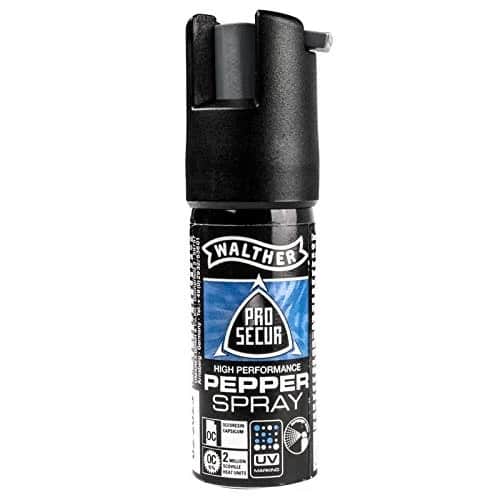
Pepper spray: Effective. Requires correct legal product (Tierabwehrspray), adults only in Germany. Carry accessibly — not in bag bottom.
Tactical flashlight: Bright light in someone's eyes is disorienting. Also has everyday value.
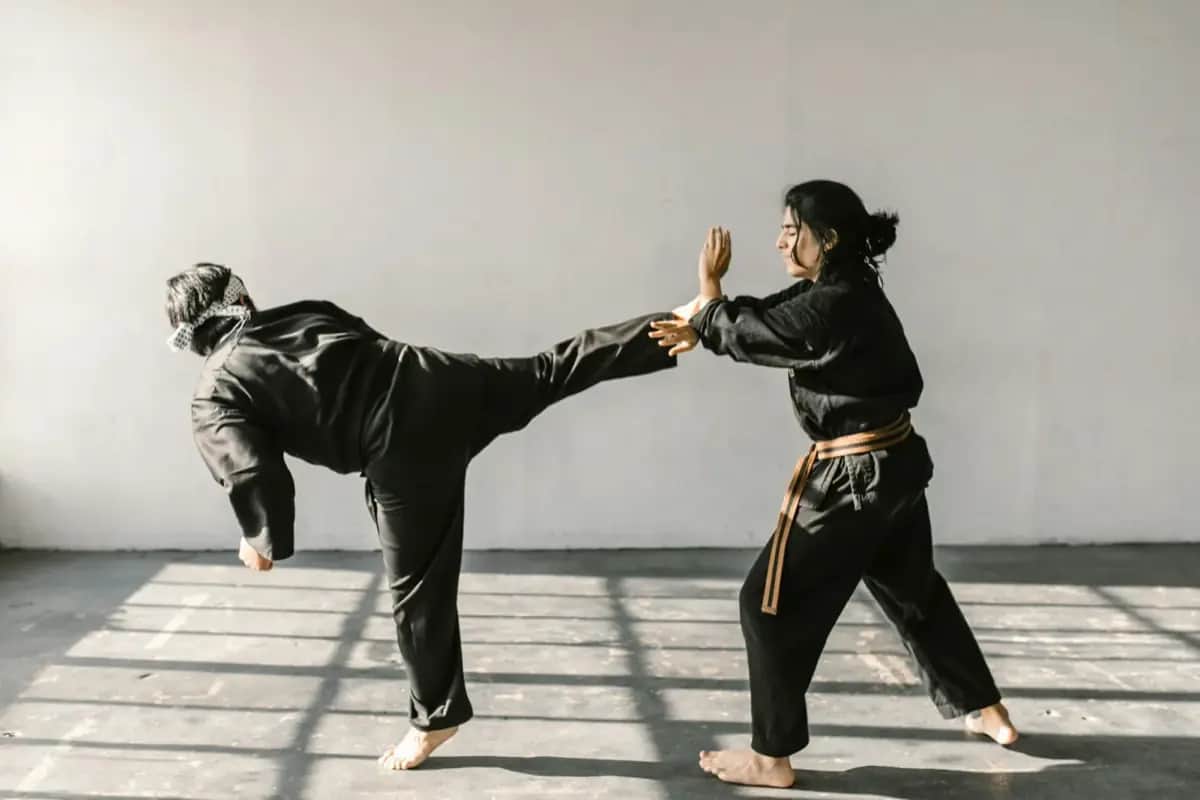
Layer 4: Physical Techniques (Minimal Set)
For women without martial arts training, focus on three things:
1. Creating distance
The fundamental goal of physical self-defense is creating enough distance to escape. Pushing, screaming, sudden movements — the goal is disruption, not combat.
2. Vulnerable targets
Without technique, three areas provide maximum disruption:
- Eyes: Any motion toward the face causes instinctive recoil
- Throat: Even moderate impact is significantly disabling
- Groin (male attacker): High-impact area
These don't require strength or training — they exploit biology.
3. Voice
Screaming during a physical confrontation:
- Activates your own adrenaline effectively
- Attracts attention
- Disorients many attackers
- Communicates to bystanders this is not consensual
Train yourself to scream if needed. Many women have conditioned themselves to be quiet — practice making noise.
Layer 5: Formalized Training
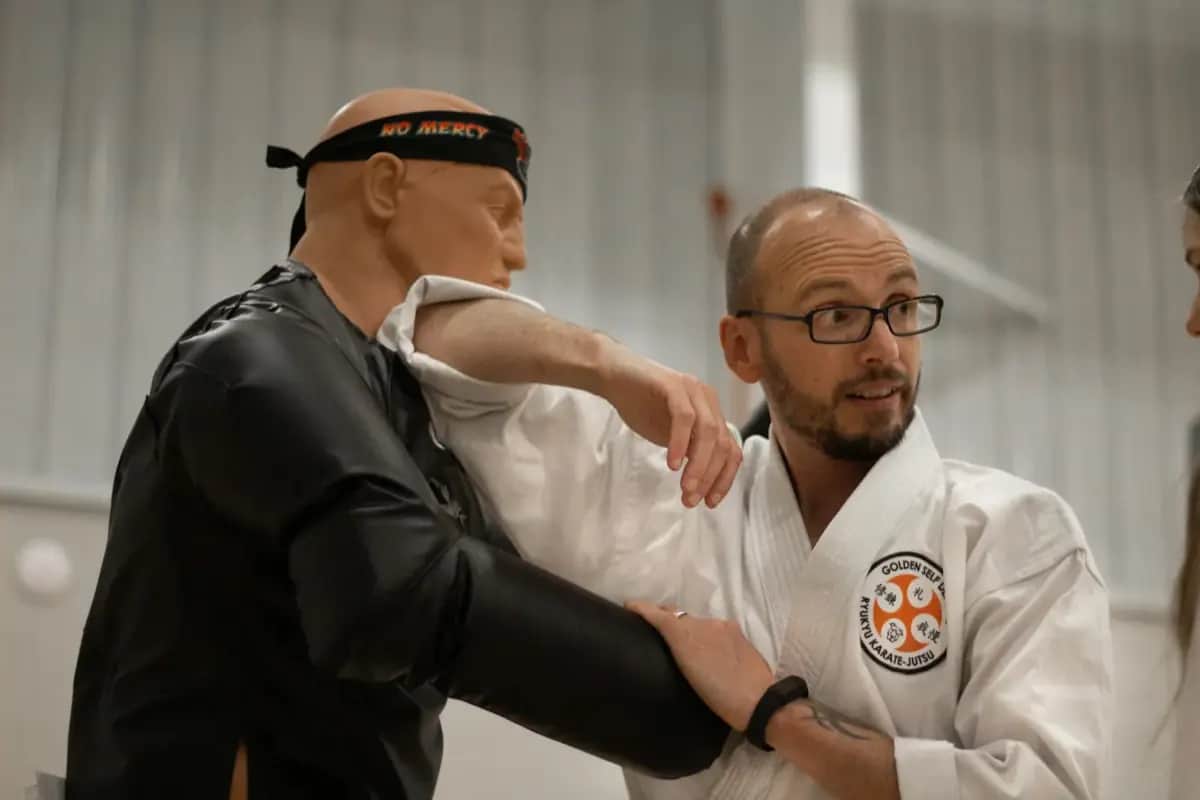
All of the above can be done without any training. But if you invest in one self-defense course:
SASA courses (Selbstbehauptung und Selbstverteidigung für Mädchen und Frauen): Available through many German municipalities and sports organizations. 2-4 hour courses teaching practical techniques in a female-only environment.
These courses specifically address the socialization issues that make verbal assertiveness and physical response difficult, not just the physical techniques.
A Note on Victim Blaming
Nothing in this guide should be read as suggesting that women are responsible for violence committed against them. Violence is the responsibility of perpetrators, not victims.
Practical self-defense preparation is about increasing your capabilities and options — not about establishing what you "should have done."
Recommended Products
As an Amazon Associate we earn from qualifying purchases. Buying through our links supports the development of this app at no extra cost to you.