 Foto: Dibakar Roy / Pexels
Flood in Your City: What Happens in the First 6 Hours?
How does an urban flood actually unfold? A detailed scenario for the first 6 hours of a flood — and what you should do at each phase.
Hour 0-1: Warning and Underestimation
A severe storm has drenched the region. Water levels are rising faster than forecast. Emergency alert apps send the first warning. Local authorities call for basements to be cleared.
What happens: Most people ignore the warning. Everything still looks normal — streets are wet but not flooded. Trust in the familiar cityscape remains high.
What you should do: Take the alert seriously immediately. Move valuables from basement to upper floors. Move your car to higher ground. Charge your phone.
Hour 1-2: The Water Comes
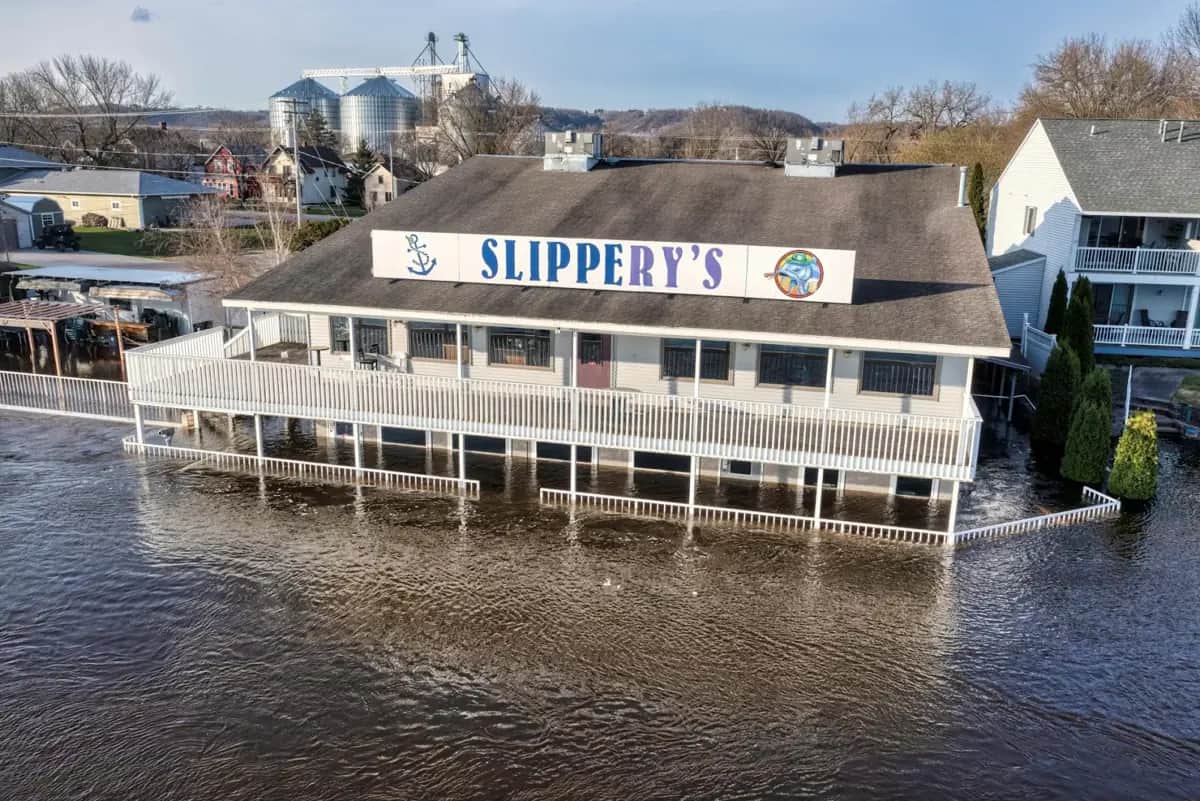
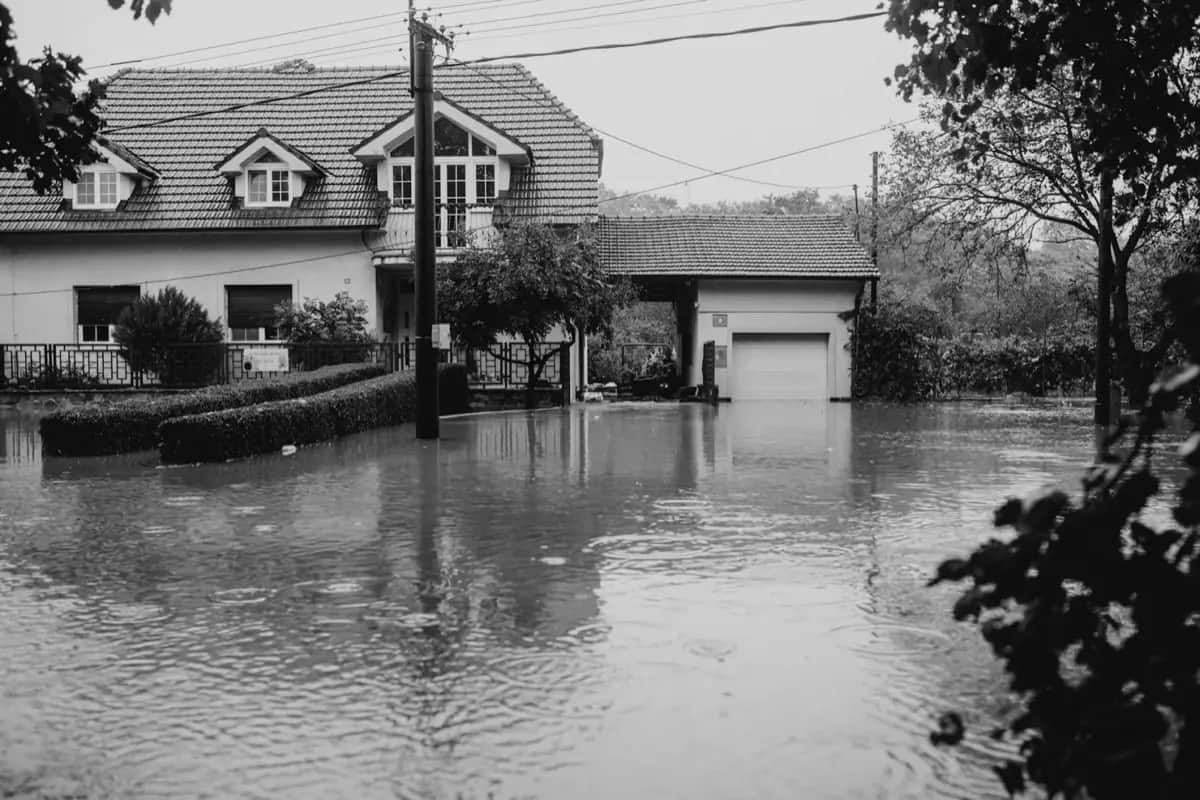
Water levels can rise 50 cm within minutes. Streets become canals. Cars float. Underpasses and underground garages fill.
Death traps in this phase:
- Cars in underpasses or parking garages — life-threatening within minutes
- Basements flooding while people are inside
- Underestimating current speed
What you should do: Never go into a flooding basement or car. Move to upper floors — minimum second floor. Turn off electricity at the breaker. Keep emergency apps updated.
Hour 2-4: Critical Phase
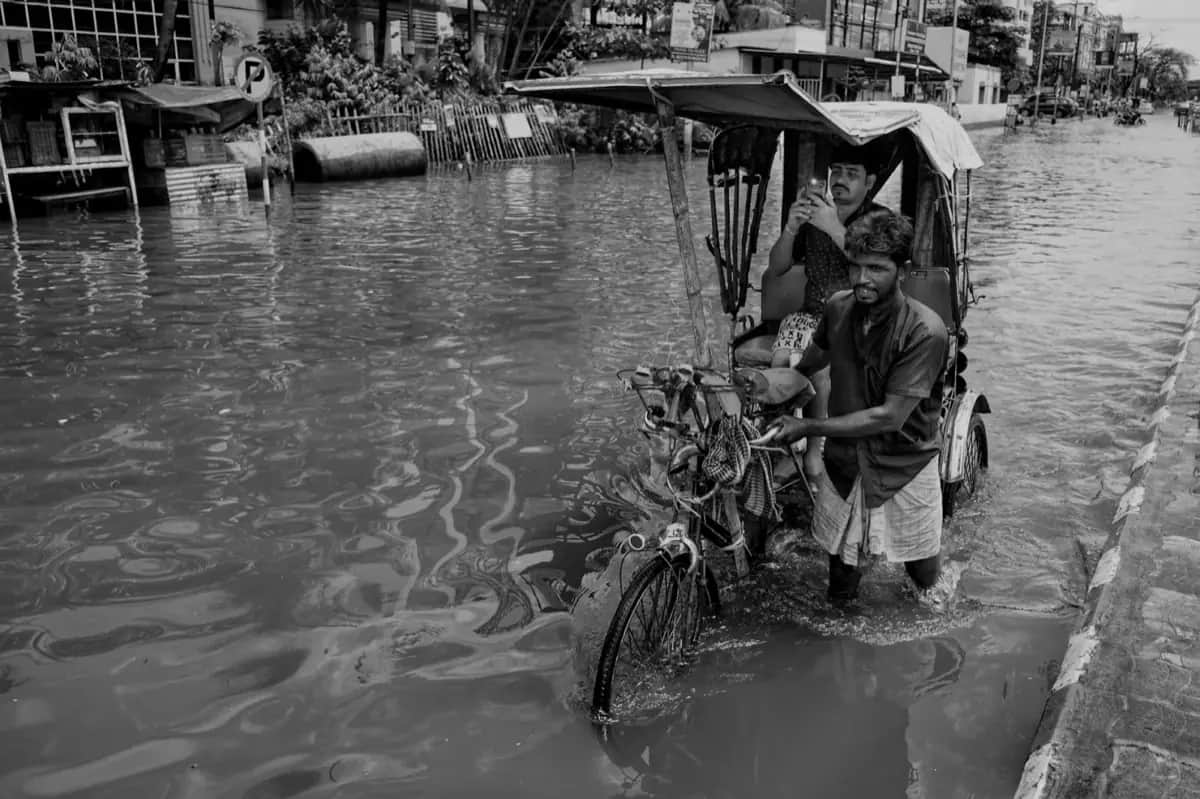
Water is now knee-to-hip-deep in low-lying streets. Emergency services are overwhelmed. Phone networks are congested. People on rooftops and upper floors wait for help.
What you should do: Stay where you are — don't go into the water. Make yourself visible (window, flashlight, bright clothing). No calls to emergency services unless life-threatening.
Hour 4-6: Escalation and First Rescues
Fire departments and technical relief services work at maximum capacity. First rescue boats are deployed. Water level stabilizes — or continues rising.
What you should do: Signal your location when rescue teams are nearby. Provide first aid for injured (hypothermia, wounds). Don't wade in flood water (electricity, chemicals, current). Use your emergency supply — no help for hours or days.
What You Can Prepare Today
- Check if your address is in a flood risk zone
- Keep basement inventory minimal and valuables on upper floors
- Emergency supply for at least 72h
- Enable flood warning apps with location access
Conclusion
Floods don't kill because the water comes — they kill because people react too late. The first 2 hours after a warning are decisive.