 Foto: Jan van der Wolf / Pexels
Expired Water: Dangerous or Not? 4 Myths About Stored Water Debunked
Water doesn't really expire in the way we think. We debunk 4 myths about stored water supplies and explain what actually matters for safe long-term storage.
Why Does Water Have an Expiration Date?
Bottled water has a best-before date. This sounds like water can go bad. In reality, the date refers to the packaging, not the water itself.
Water — H₂O — doesn't spoil. It doesn't rot, mold, or deteriorate. The best-before date on bottled water addresses container integrity, not water quality.
Myth 1: "Water Past Its Best-Before Date Is Dangerous"
Reality: Water in originally sealed, food-grade containers isn't automatically unsafe after the best-before date. The date indicates the manufacturer's guarantee of quality and container integrity up to that point.
What actually happens: plastic bottles release minimal amounts of plasticizers (like antimony) into water after months or years — especially in heat. This is barely health-relevant at normal storage durations (1-2 years).
Recommendation: Store water maximum 1-2 years in plastic bottles. Rotate supply annually.
Myth 2: "Tap Water Only Lasts a Few Days"
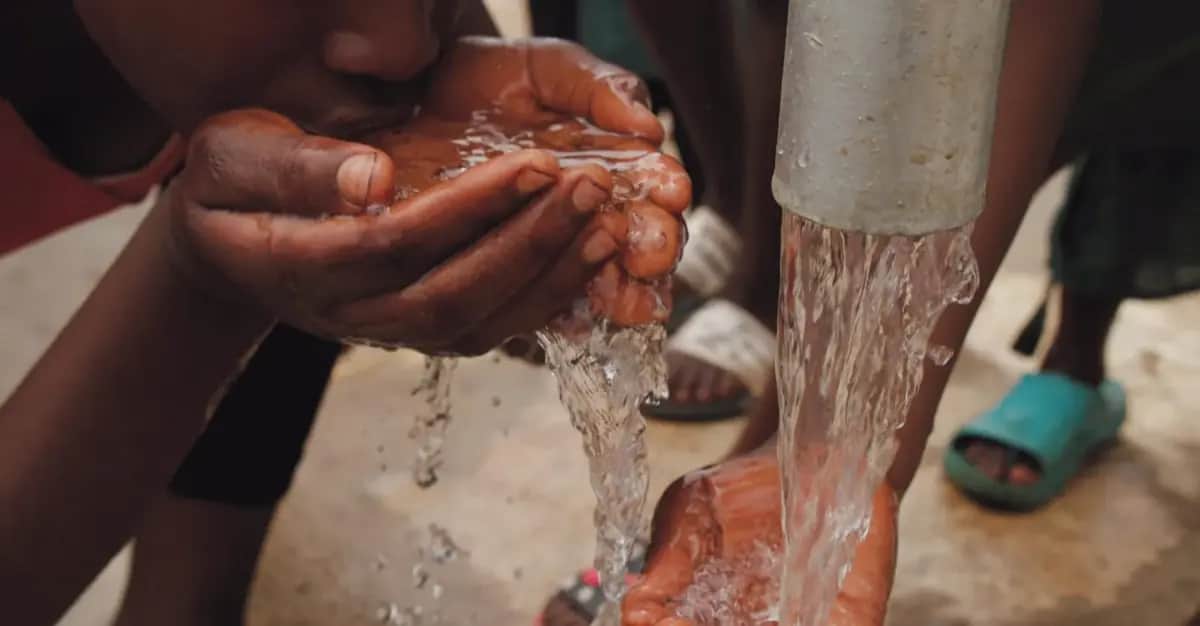
Reality: Fresh tap water contains chlorine (up to 0.3 mg/L) acting as a preservative. In a clean, sealed container, filled tap water stays safe for 6-12 months.
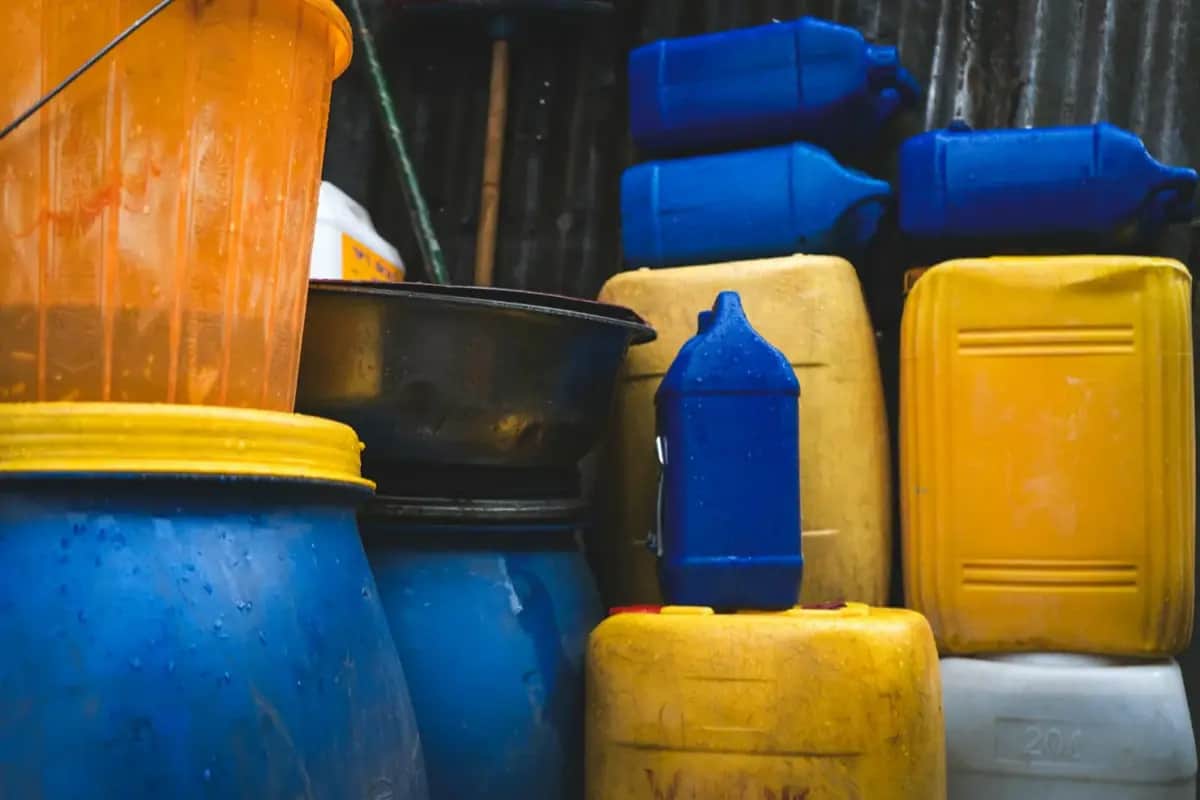
For longer shelf life: Food-grade dark container, cool dark storage, clean filling process. Add a chlorine tablet per 10 liters to extend shelf life over 1 year.
Myth 3: "Stored Water That Tastes Bad Is Unsafe"
Reality: Water loses carbonation and dissolved gases during storage. This makes it flat — but not unsafe. Off-taste from container materials is a quality issue, not a safety issue.
Test: Clear water with no smell of sulfur or mold is generally drinkable. When in doubt: boil.
Myth 4: "I Need to Constantly Rotate My Water Supply"
Reality: With proper storage, annual rotation is sufficient — not monthly. Plan it as a routine: renew your supply once a year during spring cleaning.
When Stored Water Actually Becomes Unsafe
- Contamination: open container, dirt entered, animals accessed it
- Algae growth: light + nutrients in transparent containers
- Bacterial growth: containers that weren't clean or remained unsealed
- Chemical contamination: wrong containers (e.g., previously held chemicals)
Warning signs: Cloudiness, floating particles, sulfur or mold smell → discard or boil.
Conclusion
Stored water is usable much longer than most people think. With proper containers and cool dark storage, your supply stays good for 1-2 years without issue.
Recommended Products
As an Amazon Associate we earn from qualifying purchases. Buying through our links supports the development of this app at no extra cost to you.