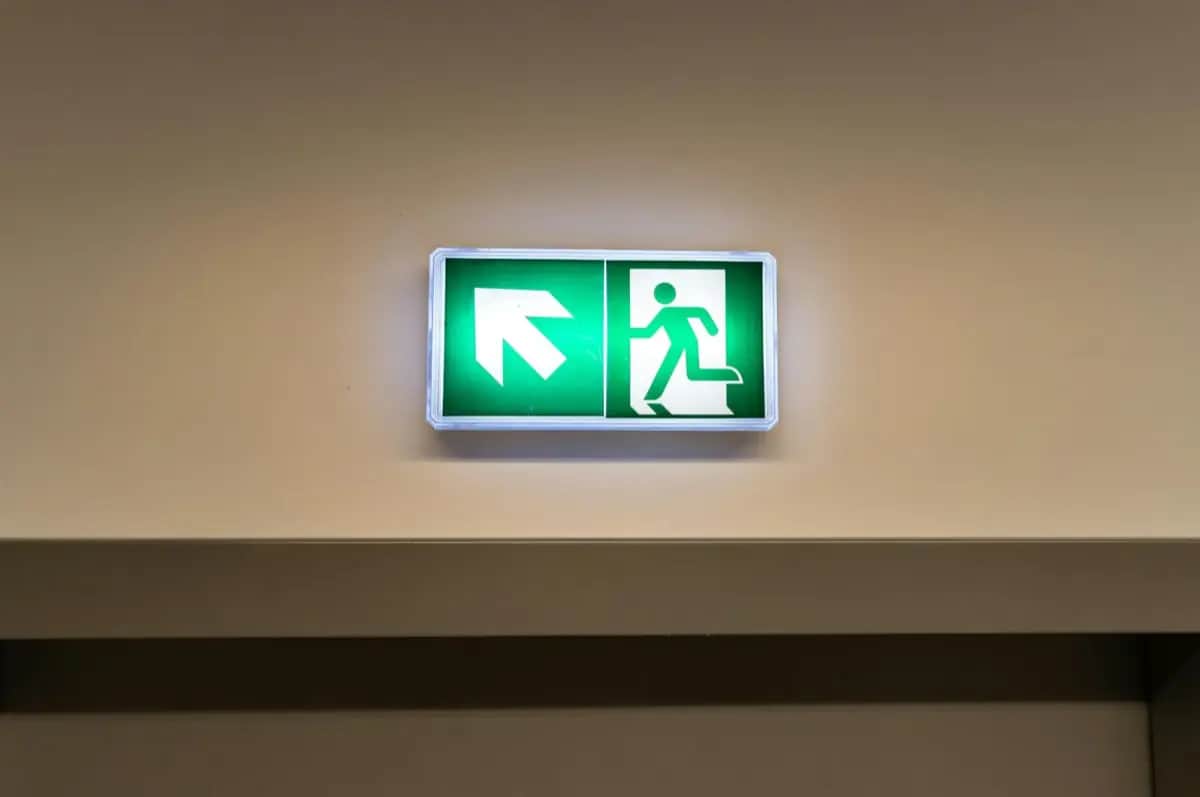
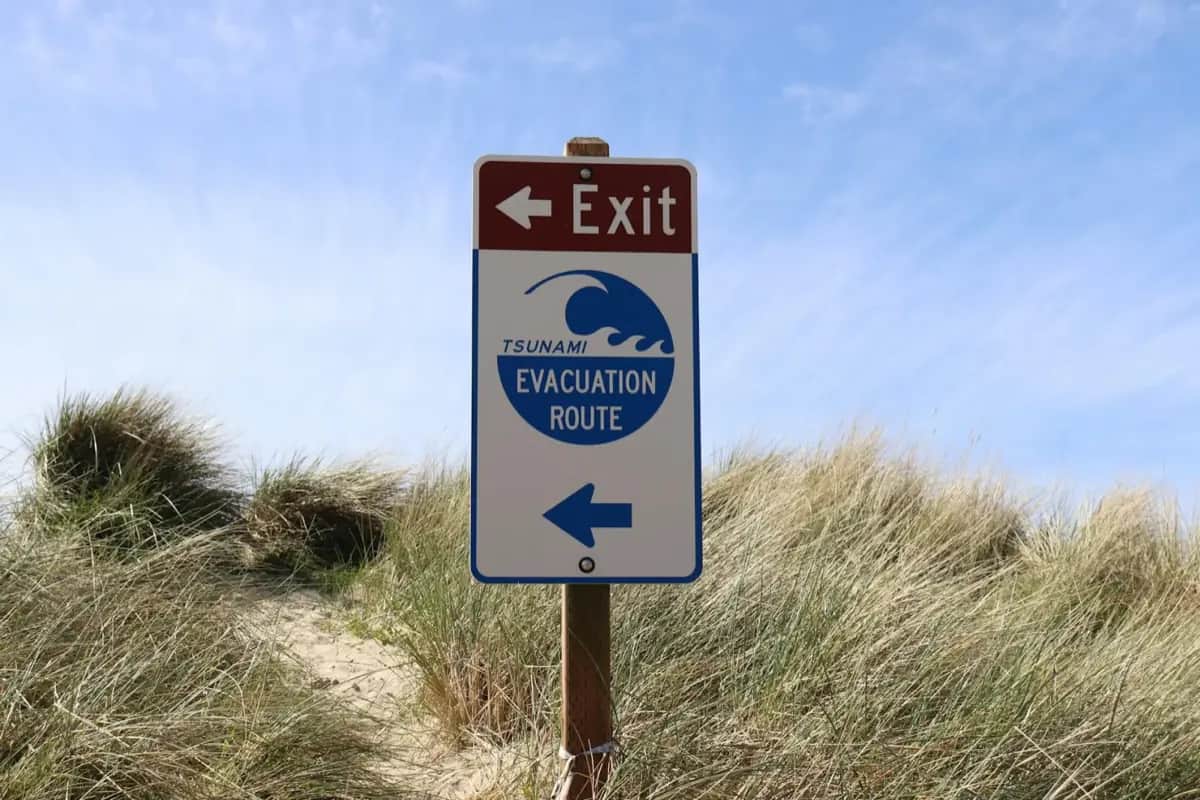
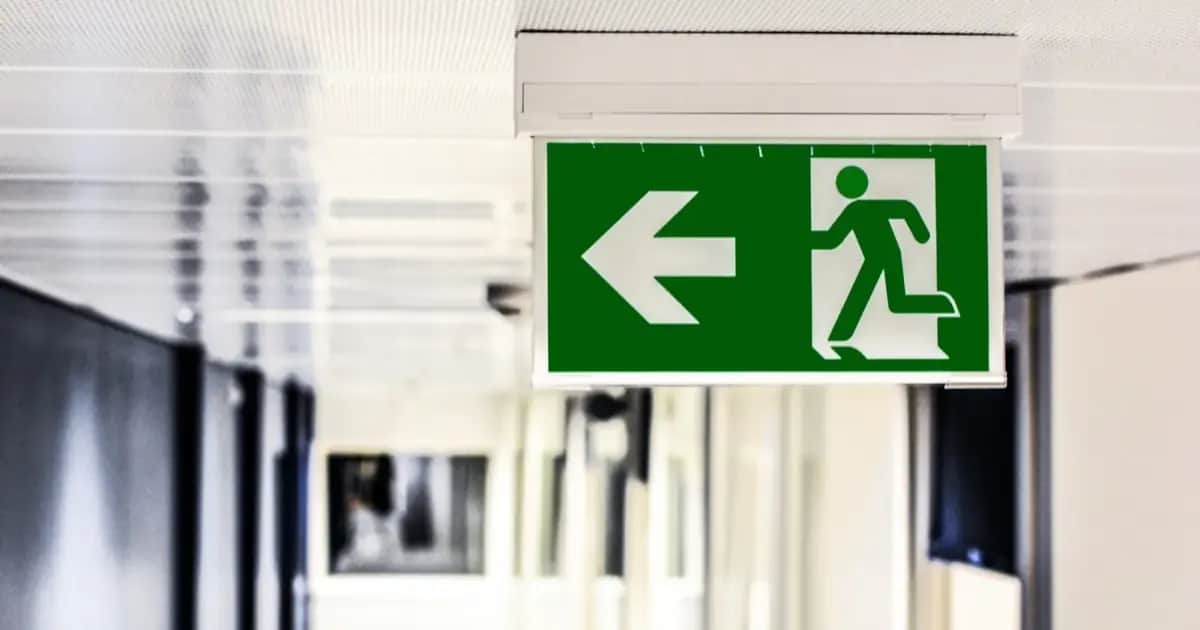
 Foto: YAHIR ARROYO / Pexels
Family Evacuation Plan Checklist: Be Ready for Any Emergency
Complete family evacuation checklist: meeting points, emergency bags, documents, and step-by-step procedures so everyone knows what to do.
Why a Written Evacuation Plan Saves Lives
When an emergency strikes — a house fire, flood, gas leak, or civil disaster — you have minutes, not hours, to act. Studies show that families without a practiced evacuation plan take 3-4 times longer to evacuate than those who have rehearsed the process.
The problem isn't courage or capability. It's the absence of a plan. When adrenaline spikes and stress peaks, pre-rehearsed procedures execute automatically while improvisation fails. This checklist gives you the framework for a complete family evacuation plan.
Step 1: Define Your Evacuation Scenarios
Not all emergencies require the same response. Plan for these common scenarios:
Immediate evacuation (0-5 minutes):
- House fire
- Gas leak
- Structural collapse threat
Short notice evacuation (15-60 minutes):
- Flooding (with warning)
- Chemical incident in neighborhood
- Civil unrest
Extended warning evacuation (several hours):
- Storm warning
- Wildfire approaching
- Mandatory government order
Each scenario requires different preparation and routes.
Step 2: Establish Meeting Points
Define two meeting points:
Primary meeting point: Directly outside your home
- A specific spot that everyone can reach quickly
- Example: "At the large oak tree on the left side of the driveway"
- Not on the street (traffic)
Secondary meeting point: Away from your neighborhood
- For when the immediate area is unsafe
- A landmark everyone knows: school, community center, relative's house
- Address written down in every family member's phone AND on paper
Out-of-area contact: One person (relative, friend in another city)
- All family members call/text this person to report their status
- Local phone lines often overload during local disasters — out-of-area calls go through more reliably
Step 3: Emergency Bags (Go-Bags)
Every family member should have a prepared bag:
Adult Go-Bag (approximately 15-25 kg max):
- Water: 1.5 liters minimum
- Food: 3-day non-perishable supply (energy bars, dried fruit)
- First aid kit
- Copies of important documents (sealed in waterproof bag)
- Cash (small bills, coins)
- Phone charger + power bank
- Medications (3+ day supply)
- Flashlight + spare batteries
- Whistle
- Emergency blanket
- Change of clothes
Child Go-Bag (age-appropriate weight):
- Comfort item (stuffed animal, small toy)
- Snacks they like
- Water bottle
- Identification card (sewn into backpack if young)
Pet Emergency Kit:
- 3-day food supply
- Water bowl
- Leash and carrier
- Vaccination records
- Medications
Step 4: Important Documents
Store these in a waterproof bag, ready to grab:
- Passports and ID cards (originals OR certified copies)
- Insurance policies
- Medical records and medication lists
- Birth certificates
- Property deeds or rental contracts
- Bank account information
- Emergency contact list
- Children's school emergency cards
Also maintain digital copies stored in a secure cloud service and/or an encrypted USB drive kept with the documents.
Step 5: Assign Responsibilities
Decide in advance who does what:
| Role | Person | Task |
|---|---|---|
| Document grabber | Adult 1 | Grabs document bag + house keys |
| Pet handler | Adult 2 / Older child | Secures pets with leash/carrier |
| Children handler | Both adults | Each adult responsible for specific children |
| Communication | Designated adult | Calls out-of-area contact, alerts neighbors |
For single-parent households: practice the sequence until it's automatic. Pre-stage everything near the exit.
Step 6: Evacuation Routes
Map two exit routes from your home:
Primary route: Main door and normal path out Secondary route: Back door, side exit, ground floor window
For each bedroom, especially children's rooms:
- Mark the window as an exit route if the hallway is blocked
- Install a rope ladder for second-floor bedrooms
- Test that all windows open properly
Neighborhood evacuation routes:
- Primary: Fastest route out of neighborhood
- Secondary: Alternate route if primary is blocked or flooded
Write these routes down. Post a simplified version on the refrigerator.
Step 7: Communication Plan
If you can't reach home:
- Who picks up children from school?
- Who contacts the elderly relative?
- Who is the emergency family spokesperson to media/authorities?
Communication tools:
- Phone numbers memorized AND written on paper (don't rely only on phone memory)
- Pre-agreed SMS code: "Status OK - at [meeting point]"
- Consider handheld radios for family communication if phone networks are down
Step 8: Practice Your Plan
A plan that exists only on paper will fail under stress.
Monthly drill: Walk through the house, identify two exits from each room.
Quarterly drill: Full family practice evacuation — bags, meeting at primary point, calling out-of-area contact.
Annual review: Update documents, check bag contents, refresh water supplies, verify medications haven't expired.
Quick Reference Card
Create a laminated card for every family member's wallet/backpack:
FAMILY EMERGENCY PLAN
Primary meeting: [specific location]
Secondary meeting: [specific location + address]
Out-of-area contact: [name] [phone number]
Emergency services: 112 (EU) / 911 (US)
Neighbor contact: [name] [phone]
Final Checklist
Before you consider your plan complete:
- Two meeting points defined and communicated to all family members
- Out-of-area contact designated and phone number memorized
- Go-bags prepared for every family member
- Important documents in waterproof bag, ready to grab
- Two exit routes mapped from every room
- Responsibilities assigned (documents, pets, children, communication)
- Plan practiced at least once
- Quick reference cards created and distributed
A practiced evacuation plan is one of the highest-value preparations you can make. It costs very little and the benefit in a real emergency is immeasurable.
Recommended Products
As an Amazon Associate we earn from qualifying purchases. Buying through our links supports the development of this app at no extra cost to you.