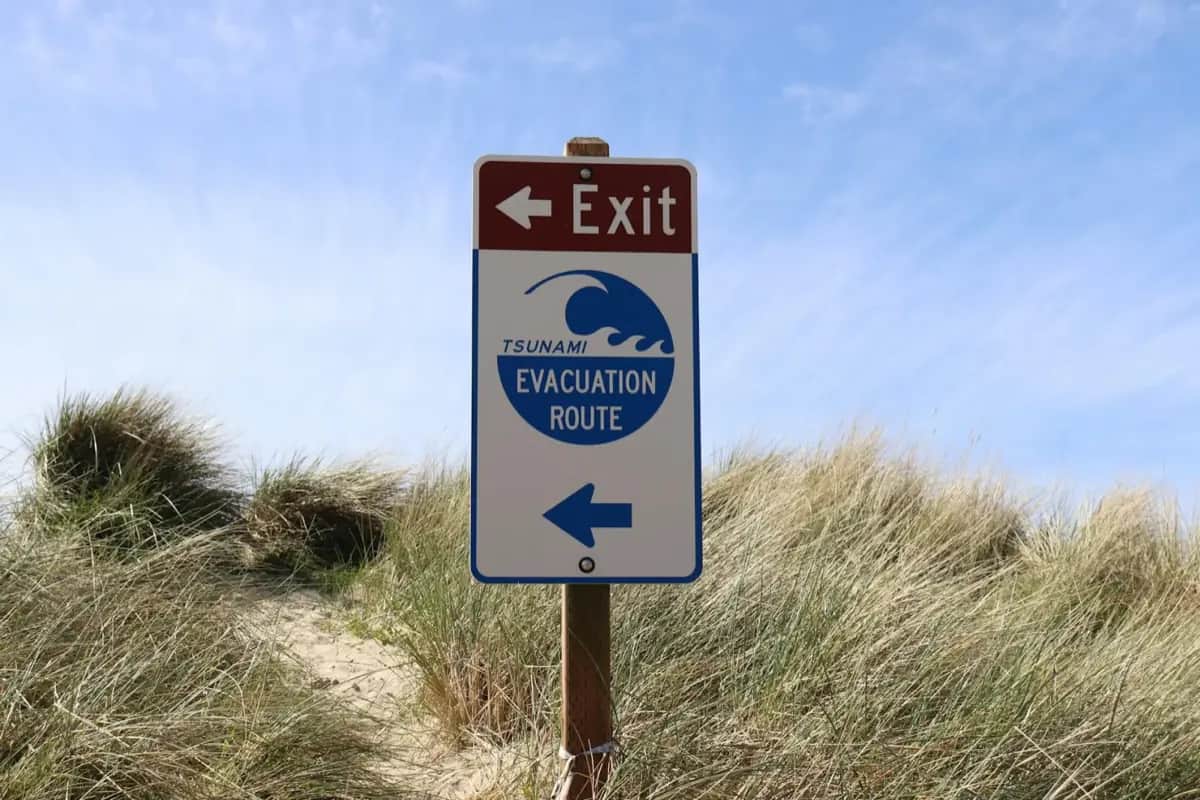
 Foto: Craig Adderley / Pexels
Evacuation: The Complete Planning Guide for Emergencies
Everything you need to know about emergency evacuation planning: when to go, what to take, where to go, and how to execute a successful evacuation with your family.
Why Most People Wait Too Long to Evacuate
In virtually every major disaster, post-event analysis shows the same pattern: people who survived with minimal harm evacuated early. Those who waited — even by a few hours — faced significantly worse outcomes.
The psychological resistance to leaving home is powerful and well-documented. Understanding this bias is the first step to overcoming it when it matters.
When to Evacuate: Clear Decision Criteria
The hardest part of evacuation isn't the logistics — it's making the decision. Establish your personal criteria before a crisis:
Mandatory evacuation triggers:
- Official evacuation order from authorities
- Fire within 1 km of your location
- Flooding expected within 6 hours
- Gas leak that cannot be immediately isolated
- Structural damage to your home
- Loss of heat in winter with temperatures below 0°C
Strong consideration triggers:
- Essential services (water, power) down for 48+ hours with no restoration timeline
- Civil unrest in your immediate neighborhood
- Extended medical emergency requiring supplies you don't have
Rule of thumb: If you're debating whether to leave, leave. You can always return if the situation normalizes. You can't undo the decision to stay too long.
Phase 1: Before (Planning)
Establish Your Destination Hierarchy
You need at minimum three options:
- Primary: Stay with family or friends in an unaffected area (best option — free, familiar, supportive)
- Secondary: Hotel or rental accommodation within 50-100 km
- Tertiary: Official emergency shelter (last resort, but always available)
Research official emergency shelter locations in your area now, when you don't need them.
Build Your Go-Bag
A go-bag should be ready at all times. Contents for 72 hours:
Documents (in waterproof pouch):
- ID documents for all household members
- Health insurance cards
- House insurance policy number
- Cash (small bills)
- Car keys (extra set)
- List of emergency contacts
Basic needs (per person):
- 3 liters of water
- 3 days of non-perishable food
- Prescription medications (3-day+ supply)
- Phone charger + power bank
Safety items:
- First aid kit (compact)
- Flashlight + batteries
- Multi-tool
- Emergency whistle
- Dust mask (N95)
Communication:
- Portable battery radio
- Written list of important phone numbers (phones fail)
Phase 2: During (Execution)
The 15-Minute Rule
If you need more than 15 minutes to evacuate, your plan is too complex. Time your practice evacuations. Streamline until you can be in the car with essential belongings in 15 minutes.
Evacuation Sequence
- Alert everyone: Wake up, communicate clearly, no panic
- Grab go-bags: Pre-packed, no packing under pressure
- Quick security sweep: Turn off gas, lock windows and doors (this matters even during crises)
- Pet plan: Execute pre-planned pet evacuation procedure
- Notify someone: Tell a neighbor, family member, or emergency service where you're going
- Leave note: Post on door where you went and when you left
Routes
Never rely on a single evacuation route. Know:
- Your primary route (fastest under normal conditions)
- Alternate route 1 (avoids flooding zones)
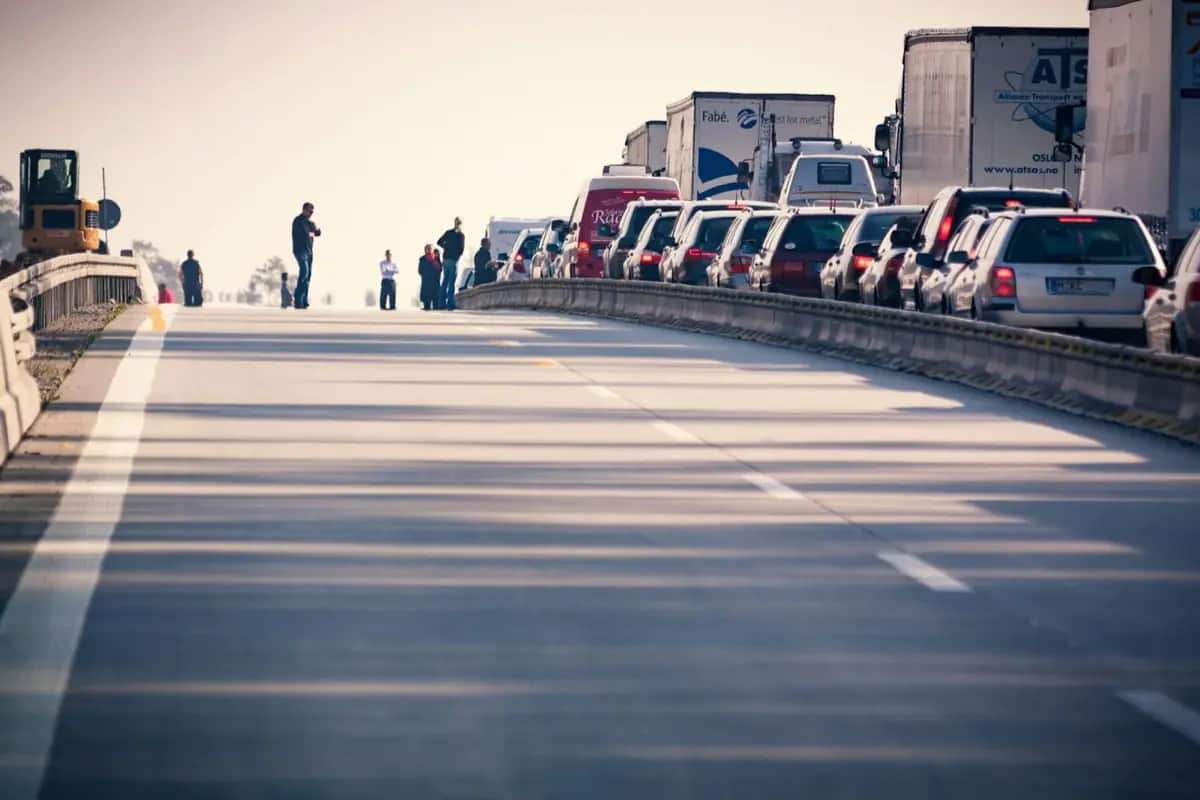
- Alternate route 2 (avoids highway congestion)
Check routes in advance using paper maps, not just GPS. Roads may be blocked.
Phase 3: After (Return)
Don't return until:
- Official all-clear from authorities
- You have information about your specific area (not just the region)
- You have at least 24-48 hours of supplies on you when you return
When returning after flooding or fire:
- Do not enter until structure is declared safe
- Document all damage with photos before touching anything (insurance)
- Wear protective gear when assessing damage
- Do not use utilities until inspected
Family-Specific Considerations
With Young Children
- Pack comfort items (favorite small toy, blanket)
- Brief them in age-appropriate terms before emergencies
- Each child above age 8 should carry a small personal bag
- Have identification on children at all times during evacuation
With Elderly Family Members
- Plan extra time for mobility limitations
- Ensure medications are always ready to grab
- Identify assistance networks in advance
With Pets
- Carriers ready and pet-accessible
- Pet food (3-day supply) in go-bag
- Research pet-friendly hotels along your routes in advance
After-Action Review
After every practice evacuation or real evacuation:
- What went well?
- What took too long?
- What did you wish you had?
- What did you pack that you didn't need?
Update your plan and go-bag accordingly. The best evacuation plan is one that's been tested and refined.