 Foto: Max J / Pexels
7 Evacuation Mistakes That Cost Lives: What Not to Do
The 7 most deadly evacuation mistakes people make during emergencies — and how to avoid them with simple preparation steps.
Why Most People Evacuate Wrong
Emergency management experts consistently document the same evacuation failures across flood disasters, wildfires, and civil emergencies worldwide. These aren't failures of bravery — they're failures of preparation and knowledge.
The good news: every mistake on this list is preventable. Understanding them in advance makes you significantly more likely to evacuate safely when it matters.
Mistake 1: Waiting Too Long to Leave
The pattern: People wait for official confirmation that the danger is "real" before evacuating. By then, roads are clogged, conditions have deteriorated, and windows of safe escape have closed.
Why it happens:
- Normality bias ("it won't be that bad")
- Fear of overreacting or being embarrassed
- Reluctance to leave home and possessions
The fix: Define your own trigger criteria in advance. "If the water level reaches [X], we leave immediately." Don't wait for the order — leave early.
Statistics: During the 2021 Germany floods, many fatalities occurred among people who waited too long despite hours of warning time.
Mistake 2: Going Back Inside for Possessions
The pattern: People evacuate, then return for forgotten items — phone, wallet, pet, sentimental objects. During house fires, this is frequently fatal.
The fix:
- Keep your go-bag near the exit, always ready
- Establish a "no re-entry" rule once you've evacuated from fire
- Pre-decide what you're grabbing — don't decide under stress
- Documents, medications, and phone charger should be in your go-bag already
Time spent inside a burning building or structurally compromised area costs lives. No possession is worth it.
Mistake 3: Driving Into Floodwater
The pattern: People try to drive through flooded roads, severely underestimating the danger.
The reality:
- Just 15 cm (6 inches) of moving water can knock a person down
- 30 cm (12 inches) of water can float a car
- 60 cm (24 inches) of water can sweep away most vehicles
- Floodwater often conceals washed-out roads, open manholes, and debris
The fix: Turn around, don't drown. If your route is flooded, turn back and find another route. Walking in floodwater is also dangerous — never do it if avoidable.
Mistake 4: Not Having a Family Communication Plan
The pattern: Family members separate during an emergency with no agreed protocol for where to meet or how to communicate.
The scenario: A flood warning hits during the day. Parents are at work, children are at school, and the neighborhood phone network is overloaded.
The fix:
- Pre-agree on two meeting points (near home and away from neighborhood)
- Designate one out-of-area contact everyone calls/texts
- Make sure children know the family plan — age-appropriately
- Have a physical list of phone numbers, not just stored in a phone
Mistake 5: Leaving Pets Behind — Then Going Back for Them
The pattern: People evacuate without pets, then attempt to return under dangerous conditions to retrieve them. This has caused deaths.
The fix:
- Include pets in your evacuation plan from day one
- Have a carrier ready for each animal
- Know which emergency shelters accept pets (many don't)
- If you must leave pets temporarily: leave water, food, and a note indicating animals are inside (for rescuers)
Mistake 6: Taking Secondary Roads Without Local Knowledge
The pattern: To avoid traffic, people take unfamiliar back roads — which may be flooded, damaged, or impassable in ways they don't know.
The fix:
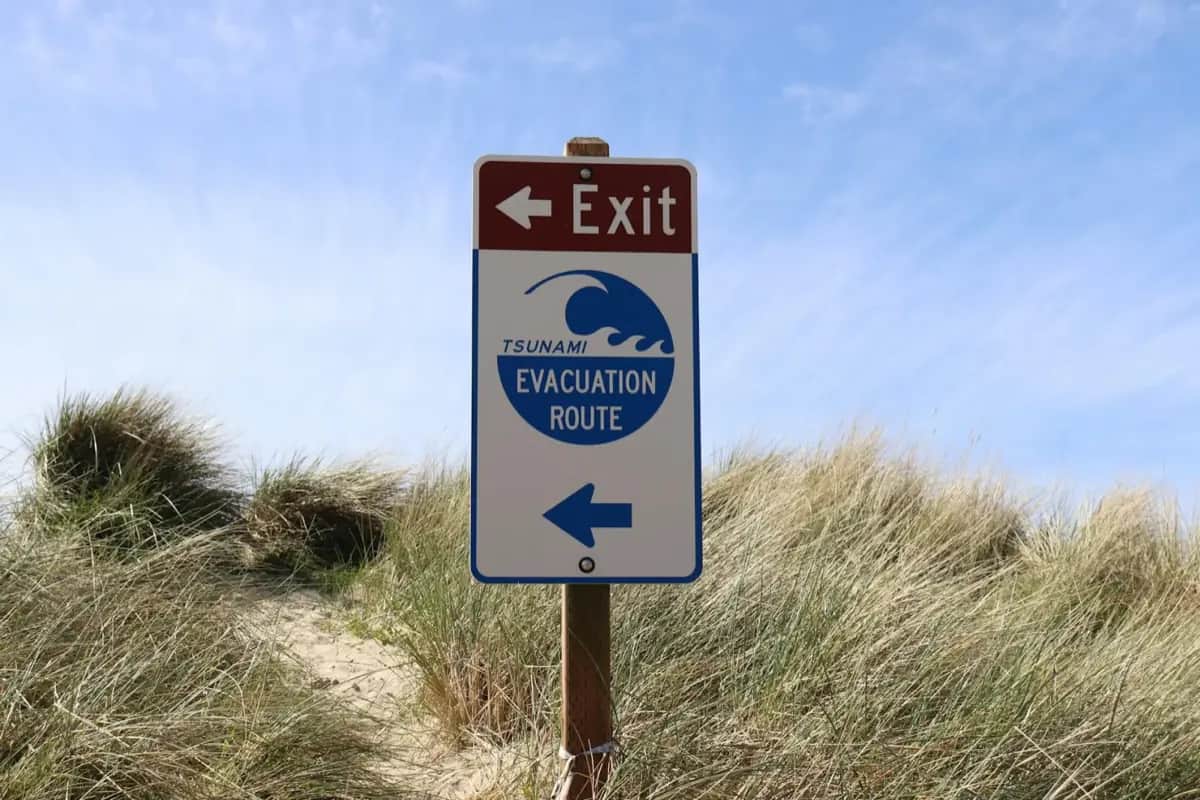
- Know your evacuation routes in advance (not just from GPS)
- Have a paper map of your region
- Check official emergency channels for road closures before departing
- Have at least two routes planned from your home
Mistake 7: Not Having Enough Fuel
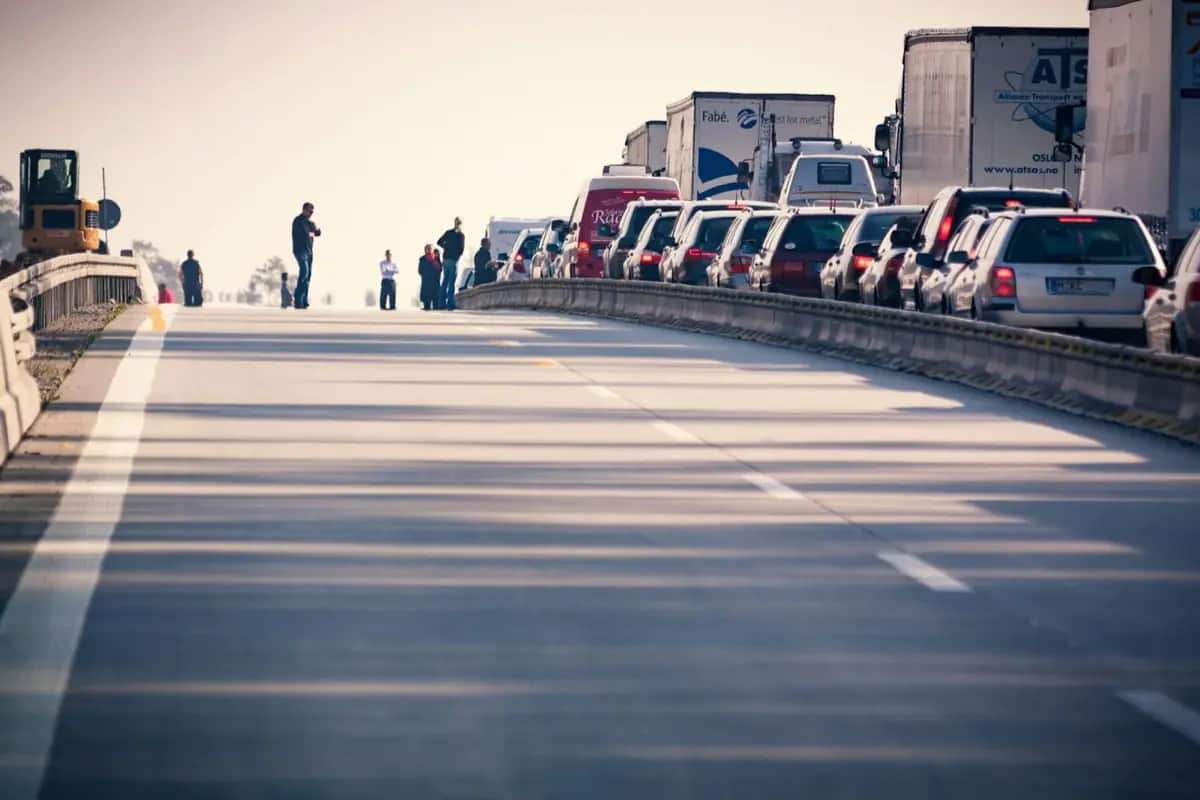
The pattern: People attempt evacuation with near-empty fuel tanks. During large-scale evacuations, gas stations have long queues or run out entirely within hours.
The fix:
- Keep your car's fuel tank at least half full at all times during seasons or situations with elevated risk
- Know the location of 3-4 gas stations along your evacuation routes
- Consider keeping a sealed approved fuel container (5-10 liters) for emergencies
- Electric vehicle owners: know the locations of charging stations on your routes and have a backup plan
The Foundation: Preparation Prevents Panic
Every mistake on this list stems from the same root cause: improvising under extreme stress rather than executing a pre-planned procedure.
The solution is preparation:
- Write your evacuation plan
- Practice it with your family
- Prepare your go-bags
- Know your routes
- Define your trigger criteria for leaving early
An evacuation that starts too early costs you inconvenience. An evacuation that starts too late costs you everything.