As an Amazon Associate we earn from qualifying purchases. Buying through our links supports the development of this app at no extra cost to you.
Emergency Backpack
Essential- FlashlightEssential
A flashlight is the single most important item in your emergency backpack. During a power outage, even your own staircase can be pitch black — a robust LED flashlight with at least 300 lumens gives you safety and orientation. Choose a model that uses standard AA or AAA batteries, which are easier to source than specialty batteries. A waterproof design (IPX4 or better) is recommended, as you may need it in rain or wet environments.
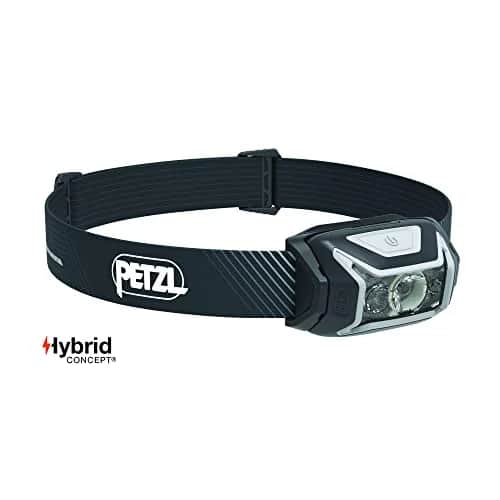
PETZL Headlamp Actik Core
Buy NowAffiliate Link | Amazon - Spare BatteriesEssential
Spare batteries are just as important as the flashlight itself. A flashlight without power is useless. Always include at least one complete set of replacement batteries matching your devices. Buy quality batteries from reputable brands with long shelf life (up to 10 years). Store batteries separately from devices to prevent deep discharge. Note the pack date on the label and swap them out at least every two years.
- CompassRecommended
A compass is the most reliable navigation tool that works without power or signal. When your smartphone has no reception or the battery dies, a compass reliably points you in the right direction. Combine it with a physical map for full terrain orientation. Choose a liquid-filled model that stays stable even under vibration. A brief introduction to compass navigation is worthwhile — the basics can be learned in just a few minutes.
- Regional MapRecommended
A physical regional map is essential when you need to navigate through unfamiliar terrain or in poor visibility. Digital maps on a smartphone fail when the battery is dead or mobile coverage is gone. Include a topographic map at 1:50,000 scale for your region and mark emergency meeting points, hospitals, and assembly areas in advance. Laminated or waterproof maps are practical since they handle rain and moisture better.
- First Aid KitEssential
A complete first aid kit can literally save lives in an emergency. It lets you treat wounds, stop bleeding, and perform basic medical first measures until professional help arrives — which may be hours away in a disaster. Choose a kit meeting DIN 13164 (vehicle standard) as a minimum. Supplement it with personal medications, pain relievers, and a first aid manual. Replenish expired materials regularly.
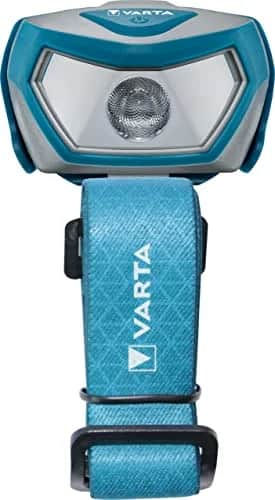
VARTA LED Headlamp Basic
Buy NowAffiliate Link | Amazon - Emergency BlanketEssential
An emergency blanket (thermal blanket) prevents hypothermia and can save lives. It reflects up to 90% of body heat back and is simultaneously lightweight and extremely compact. Use the gold side inward to retain warmth and the silver side outward as a signaling device or sun shield. Emergency blankets are inexpensive — feel free to include two or three, as they are single-use in a real emergency.
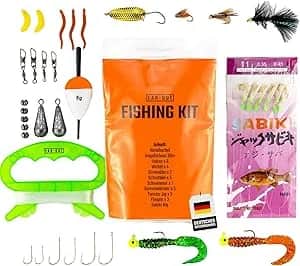
Compact Survival Fishing Kit
Buy NowAffiliate Link | Amazon - GlovesRecommended
Gloves protect your hands from injury, cold, and contamination. When clearing debris, leaving a damaged building, or handling hazardous materials, robust work gloves are essential. For an emergency backpack, cut-resistant leather gloves or Kevlar gloves are the best choice. A thin inner liner glove from wool provides additional warmth protection in cold temperatures.
- Rain Protection / PonchoRecommended
Rain protection or a poncho keeps you and your equipment dry. Hypothermia is a real danger even in summer when you are soaked and wind is blowing. A lightweight disposable poncho made from polyethylene is compact and affordable — for more durability, coated nylon ponchos that also cover your backpack are available. Waterproof footwear is also important for longer on-foot travel.
- Multi-ToolEssential
A multi-tool combines knife, saw, pliers, screwdriver, and many other tools in one compact device. In an emergency, you may need to cut rope, apply a bandage, make minor repairs, or build improvised shelter. Invest in a high-quality model from Leatherman or Victorinox — cheap multi-tools often fail at the moment you need them most. Look for stainless steel tools that are robust and corrosion-resistant.
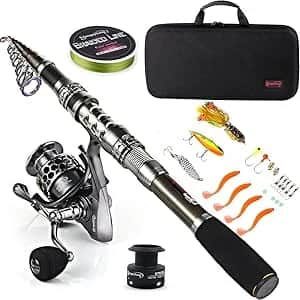
Sougayilang Telescopic Fishing Rod / Reel
Buy NowAffiliate Link | Amazon - KnifeRecommended
A knife is one of the most versatile tools in a survival context. It is used for cutting food, rope, and bandaging material, crafting improvised tools, and — if necessary — self-defense. For an emergency backpack, a fixed blade 10-15 cm in length made from stainless steel with an ergonomic handle is ideal. Keep the blade sharp — a dull knife requires more force and increases the risk of injury.
- Rope (5–10 m)Recommended
A rope of 5-10 metres has countless uses in an emergency: securing tarps, hanging gear to dry, rappelling from heights, or improvising a stretcher. Paracord (Type III, 550 lbs tensile strength) is the best choice — it is light, very strong, and can be unraveled into individual strands with many further uses. Learn at least two basic knots: the bowline and the clove hitch.
- Fire StarterRecommended
A fire starter can be life-saving in an emergency. Fire provides warmth, light, signaling options, and allows you to boil water for purification. A ferro rod (fire steel) is more reliable than matches and lighters because it works even when wet. Practice beforehand — starting a fire with a ferro rod requires a bit of technique. Waterproof matches or self-igniting firestarter sticks are good supplements.
- WhistleRecommended
A whistle is the simplest and most effective signaling device. Its sound level far exceeds the human voice and can be heard over several hundred metres. In a disaster, if you are trapped under rubble or lost in rough terrain, a whistle can save your life. Use the international distress signal: three short blasts in rapid succession. Attach the whistle to your backpack shoulder strap for immediate access.
- Water Filter / Purification TabletsEssential
A water filter or purification tablets allow you to produce drinkable water from natural sources, standing water, or questionable tap water. A portable water filter like the LifeStraw reliably removes bacteria and protozoa. Water purification tablets (e.g., Micropur Forte) are a lightweight addition for chemical disinfection. Remember: dehydration is one of the most common causes of death in emergency situations — clean water is the highest priority.
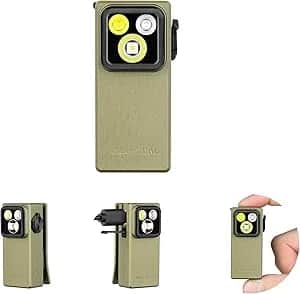
OLIGHT Oclip Ultra Mini LED Clip Flashlight
Buy NowAffiliate Link | Amazon - Waterproof BackpackEssential
The emergency backpack itself must be waterproof, ergonomic, and high quality. It is the container that protects all your equipment and makes it portable. Choose a backpack with 40-60 litre capacity, an integrated hip belt for better weight distribution, and multiple compartments for quick access. Water-resistant or waterproof material (600D nylon or higher) protects the contents in rain. Pack heavy items close to your back and frequently needed items in outer pockets.
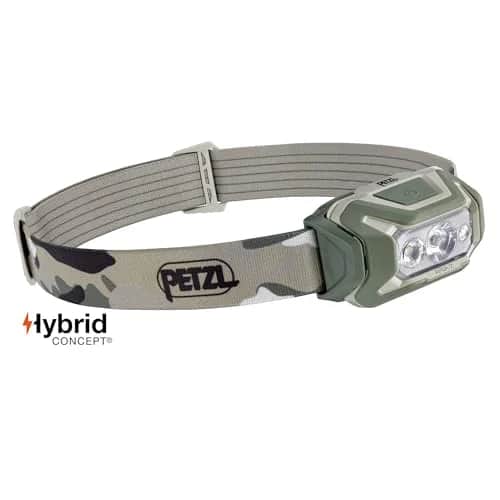
PETZL Headlamp ARIA 2 RGB
Buy NowAffiliate Link | Amazon
An emergency backpack is your first line of security when you need to leave home quickly — whether due to flooding, a nearby industrial accident, or an extended power outage. Unlike a home emergency supply, your backpack must be instantly accessible and contain everything essential for at least 72 hours. Emergency management agencies recommend five priorities: light, warmth, first aid, communication, and water — in that order of urgency.
Pack your emergency backpack once, completely, and store it in an easily accessible location. Review the contents twice a year for expiry dates and functionality. A well-thought-out pack gives you confidence without excessive weight — a good target is between 10 and 15 kilograms.
Light & Orientation
First Aid & Protection
Tools & Repair
Communication & Navigation
Backpack & Transport
Be prepared now.
Get the free app.