 Foto: Vladimir Srajber / Pexels
Solar Emergency Checklist: What You Need for Off-Grid Power Supply
Complete checklist for solar-based emergency power supply. From small power banks to balcony solar and home PV systems — what to get and in what order.
The Three Levels of Solar Emergency Power
Not everyone needs a full home photovoltaic system. Solar-based emergency power preparation comes in three levels — each appropriate for different budgets and goals.
Level 1: Solar power banks — charge phones, small devices, LED lights during extended outages. Cost: €30-€200.
Level 2: Portable power stations + solar panels — run small appliances, medical devices, refrigerator for short periods. Cost: €300-€1500.
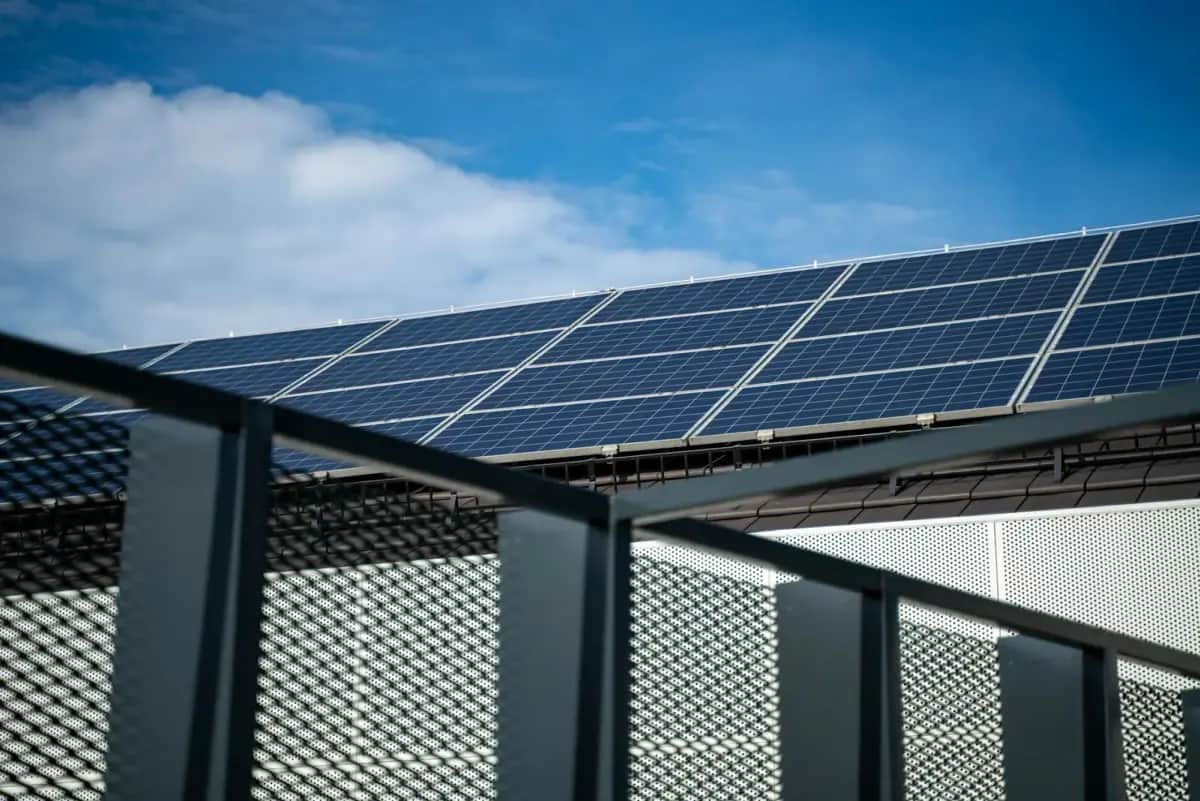
Level 3: Home PV system with battery storage — significant or full grid independence. Cost: €8,000-€25,000.
This checklist addresses all three levels.
Level 1 Checklist: Solar Power Bank
- Solar power bank selected: minimum 20,000 mAh with solar charging panel
- Output ports adequate: USB-A, USB-C, and potentially 12V for radio
- Tested outdoors: verified solar charging works at acceptable rate
- Positioned to charge routinely: kept charged by sunlight in a window when not in use
- Cables for all critical devices stored with it
What it powers: smartphones (multiple charges), LED lights, small radio
Level 2 Checklist: Portable Power Station
Power station selection
- Capacity calculated: identify devices to power × watt-hours × duration
- Inverter wattage adequate: check peak draw of intended devices
- Battery chemistry: LiFePO4 preferred for cycle life and safety
- Charge ports: verify compatibility with your solar panels
Solar panel selection
- Wattage matched to power station: charging from 0% to 80% in 6-8 hours of sun
- Panel type: foldable panels for portability, rigid for permanent installation
- Connector compatibility confirmed with power station
Testing
- Full system tested: panels → power station → devices
- Charging time measured under real conditions (not manufacturer's "optimal" spec)
- Stored with panels connected (safe for LiFePO4, keeps station charged)
Level 3 Checklist: Home PV System
Planning phase
- Roof assessment: orientation, shading analysis, structural capacity
- Annual consumption calculated: from last 2-3 years utility bills
- Battery storage sized: days of autonomy × daily consumption
- Installer quotes: minimum 3 quotes from certified installers
- Grid feed-in vs. self-consumption strategy decided
Permits and approvals
- Grid operator notified (required for systems >600W in Germany)
- Building permit obtained if required (varies by municipality)
- Homeowner's association approval if applicable (Eigentümergemeinschaft)
Emergency-specific features
- Emergency power function specified: standard inverters shut down in blackout (safety requirement)
- Backup power circuit with emergency-capable inverter
- Critical loads identified: what runs on backup circuit? (refrigerator, medical, lighting, communication)
What NOT to Expect from Solar During Emergencies
Limitations to understand:
- Solar charging requires sunlight — cloudy winter days provide 20-30% of summer output
- Standard grid-tied systems shut off in blackouts (anti-islanding regulation)
- Portable power stations have limited capacity — prioritize high-value loads (communication, medical, food preservation)
The goal of solar-based emergency preparation is resilience, not full independence. Even partial solar capability dramatically improves your situation versus no backup at all.
Recommended Products
As an Amazon Associate we earn from qualifying purchases. Buying through our links supports the development of this app at no extra cost to you.