 Foto: Jamshaid Anwar / Pexels
Balcony Solar Explained: Mini-PV System for Emergency Preparedness
How balcony solar systems (Balkonkraftwerke) work, what they can and can't do for emergency preparedness, and whether they're worth it as part of a crisis prep strategy.
What Is a Balcony Solar System?
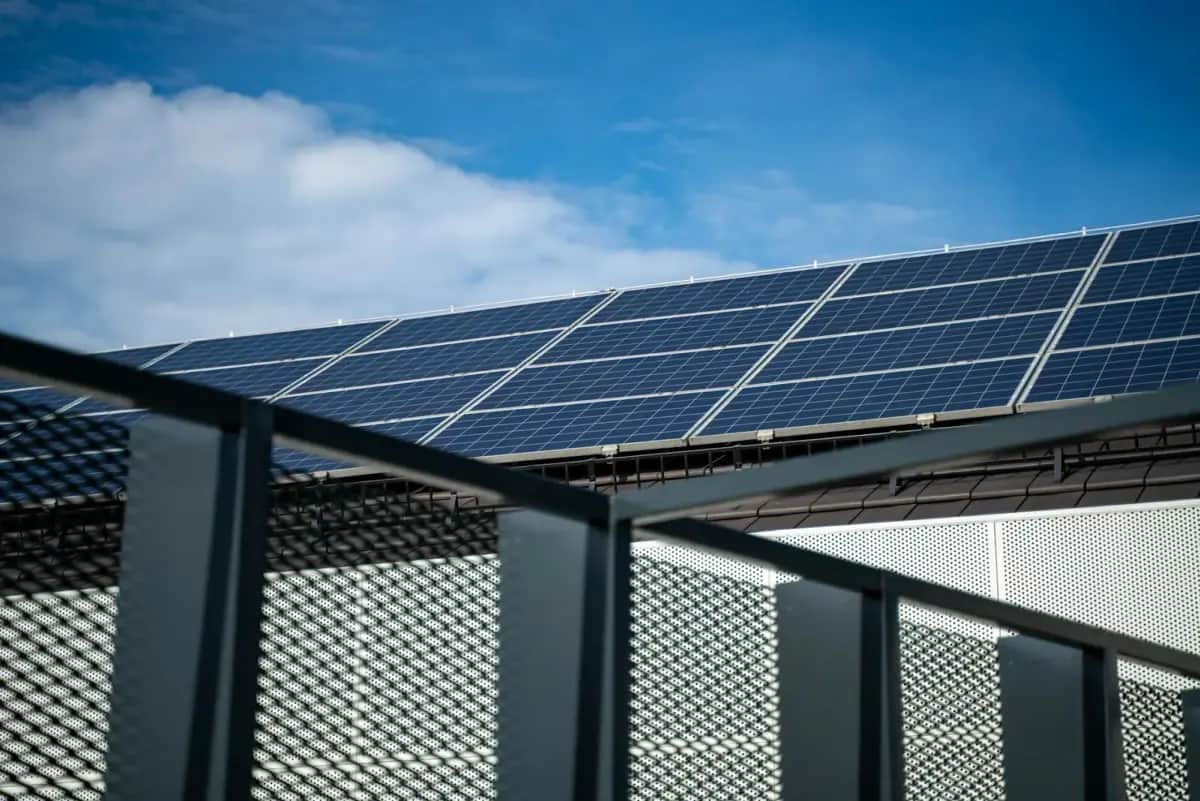
A Balkonkraftwerk (balcony power plant) is a plug-in PV system that connects directly to a standard household outlet. You plug it in like an appliance, and it feeds solar power directly into your home's electrical circuit, reducing your grid consumption.
Typical specifications:
- 1-2 panels, 300-800W peak power
- Micro-inverter (converts DC to AC)
- Schuko plug connection (legal in Germany up to 800W since 2024)
How Balcony Solar Systems Work
The micro-inverter converts panel output to 230V AC in phase with the grid. When the sun is shining, the system feeds power into the socket and your home uses that power first before drawing from the grid.
Your electricity meter measures only the difference — net consumption. On a sunny day, a 600W system running 5 hours generates 3 kWh, saving roughly €0.90-€1.00 at current electricity prices.
What They Cannot Do
Critical limitation for emergency use: Standard Balkonkraftwerke systems, like all grid-tied PV systems, shut off during grid outages. They cannot provide power when the grid is down.
This is the fundamental limitation for emergency preparedness.
Emergency Use: What's Actually Possible
Option 1: "Island operation" adapter (limited)
Some manufacturers offer adapters or systems with a limited island mode for specific outputs (e.g., USB charging). These typically provide a few hundred watts for direct device charging — not for household circuits.
Option 2: Pair with portable power station
A small balcony system can be connected (with appropriate cables) directly to a portable power station's DC input, bypassing the grid-tie requirement. This charges the power station while the grid is down.
This requires:
- System capable of DC output or specific bypass mode
- Compatible power station
- Correct cables and connectors
Not all systems support this — verify before purchasing.
Option 3: Use as grid cost reduction, not emergency prep
Accept that the balcony system is for reducing electricity costs normally, not emergency power. Add a portable power station separately for emergency use.
Economic Sense
At 2026 German electricity prices (~0.30-0.35€/kWh):
- 600W system generating 600 kWh/year saves €180-€210/year
- Typical system cost: €400-€700
- Payback period: 2-4 years
This is economically sensible purely as a cost reduction measure. It happens to also be good for emergency awareness (you learn about solar, have panels that can be adapted).
Legal Situation in Germany (2024+)
Since the 2024 regulation update:
- Systems up to 800W peak power are permitted with Schuko plug-in
- Registration with grid operator via online form (simplified process)
- Homeowners associations (WEG) must allow balcony systems on request
- Renters need landlord permission but landlords may not unreasonably refuse
Recommendation
For emergency preparedness, a balcony solar system alone is insufficient. But as part of a broader preparedness setup, it makes sense:
- Install balcony system for grid cost reduction and solar familiarity
- Add portable power station (400-1,000Wh) for actual emergency power
- Learn to connect the panels to the power station for extended outage scenarios
Total cost: €600-€1,200 for a solid combined setup that serves both normal cost reduction and emergency power goals.
Recommended Products
As an Amazon Associate we earn from qualifying purchases. Buying through our links supports the development of this app at no extra cost to you.