 Foto: aboodi vesakaran / Pexels
Save Electricity in a Crisis: Extend Your Battery and Power Supply
How to get by with limited power in a crisis: prioritization, energy-saving methods, battery rotation, and which devices consume the most.
Save Electricity in a Crisis: Extend Your Battery and Power Supply
In a crisis, electricity is a limited resource. Setting priorities and minimizing consumption — those are the two most important strategies.
Prioritization: What Needs Power?
Don't treat everything with equal weight. Prioritize:
| Priority | Use | Examples |
|---|---|---|
| Critical | Communication, light | Phone, flashlight |
| Important | Heating food | Camping stove (gas, not electric) |
| Optional | Comfort | Laptop, TV |
| Expendable | Entertainment | Gaming, streaming |
Know the Biggest Power Consumers
What consumes the most:
- Electric heater: 1000-3000 watt — not viable in a crisis
- Kettle: 1500-2000 watt — use briefly, turn off immediately
- Microwave: 800-1200 watt
- Laptop: 45-65 watt
- Phone charging: 5-20 watt
- LED flashlight: 1-5 watt
Conclusion: Phone and flashlight are the most efficient. Replace cooking appliances with gas.
Battery Management
Phone
- Display brightness at minimum
- Turn off WiFi and Bluetooth when not in use
- Close background apps
- Airplane mode when no network — saves 30-50% battery
- Dark theme in app settings (OLED displays save power this way)
Result: 1 day of battery becomes 2-3 days.
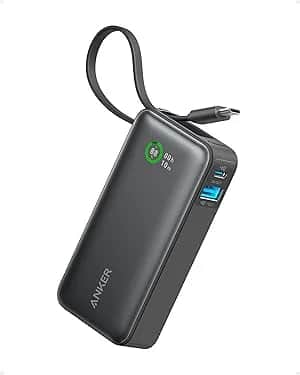
Power Bank
- Store in cool, dry place (heat damages lithium batteries)
- Don't discharge below 20% before recharging
- Keep at 70-80% monthly if not used for long periods
Flashlight
- Use lowest brightness setting (often 10x more efficient than maximum)
- AA/AAA alkaline batteries as backup
- Don't run continuously — only when needed
Generate Power Without Grid
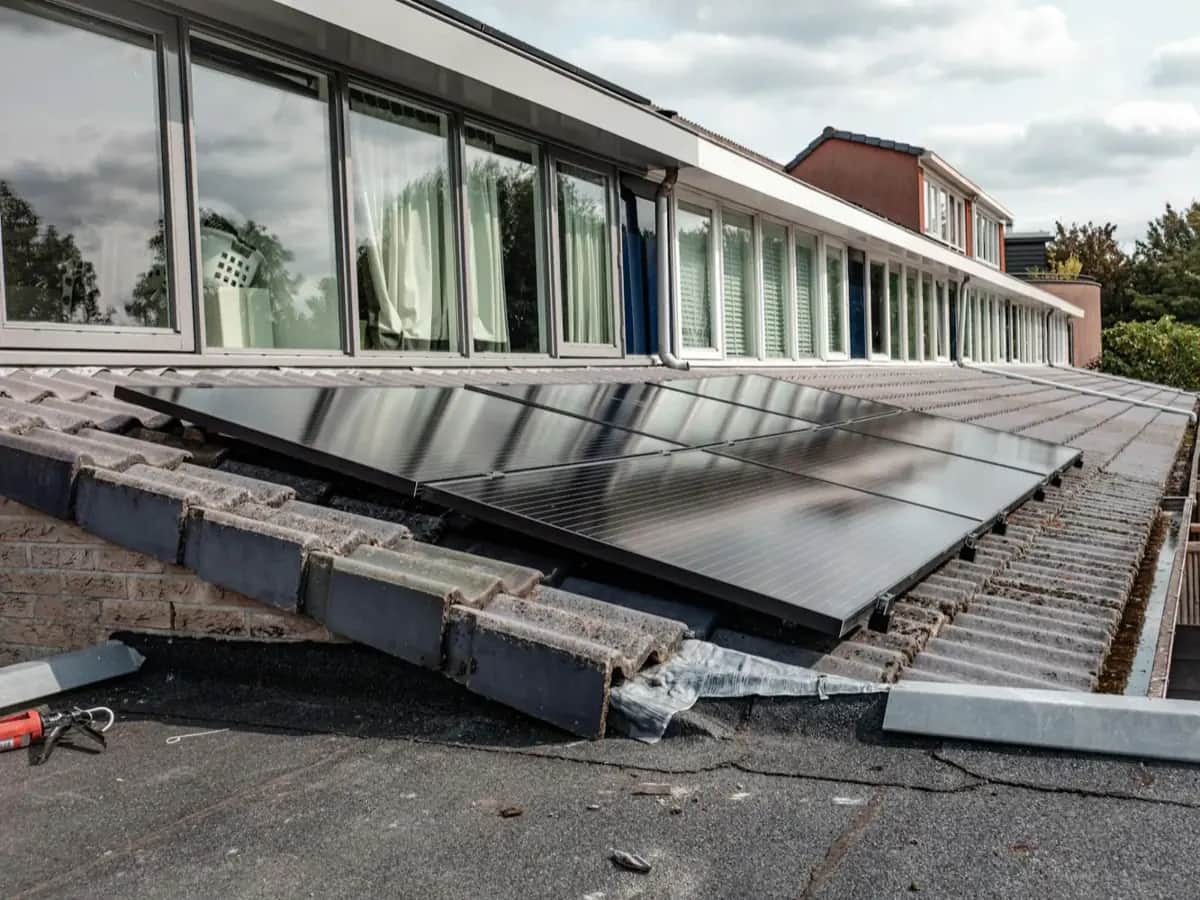
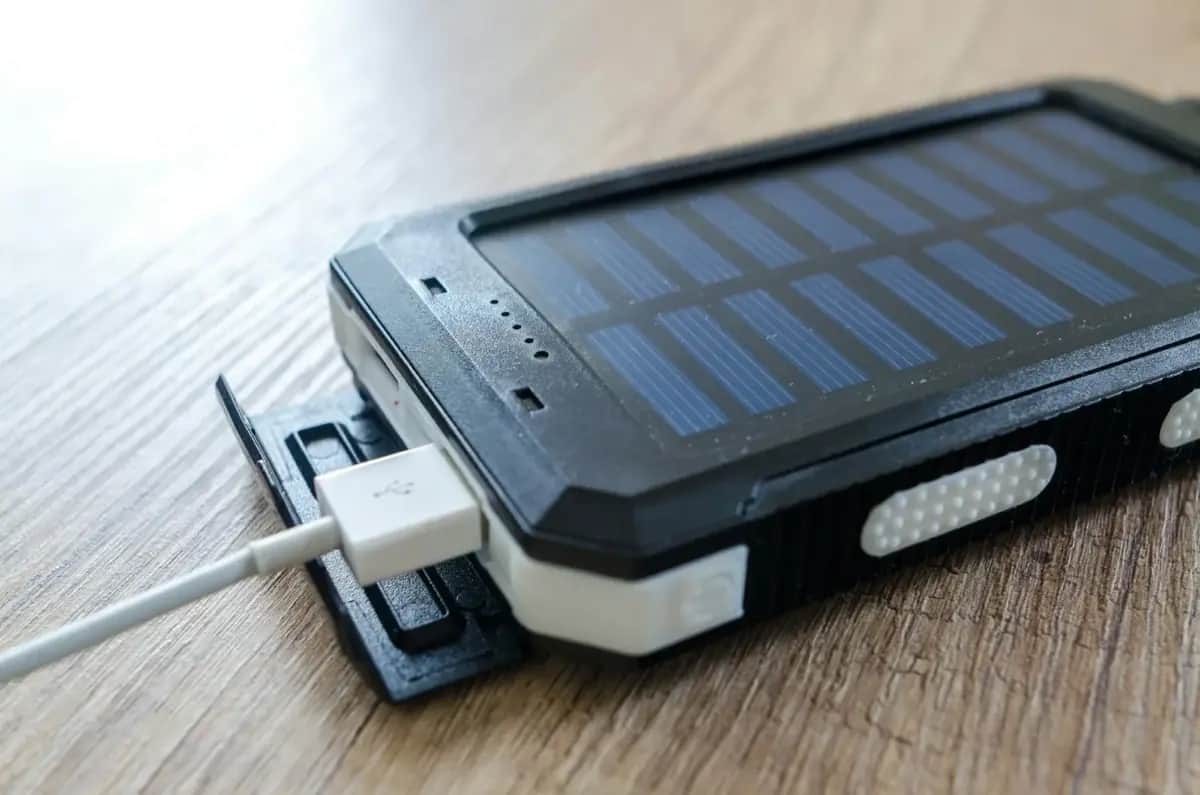
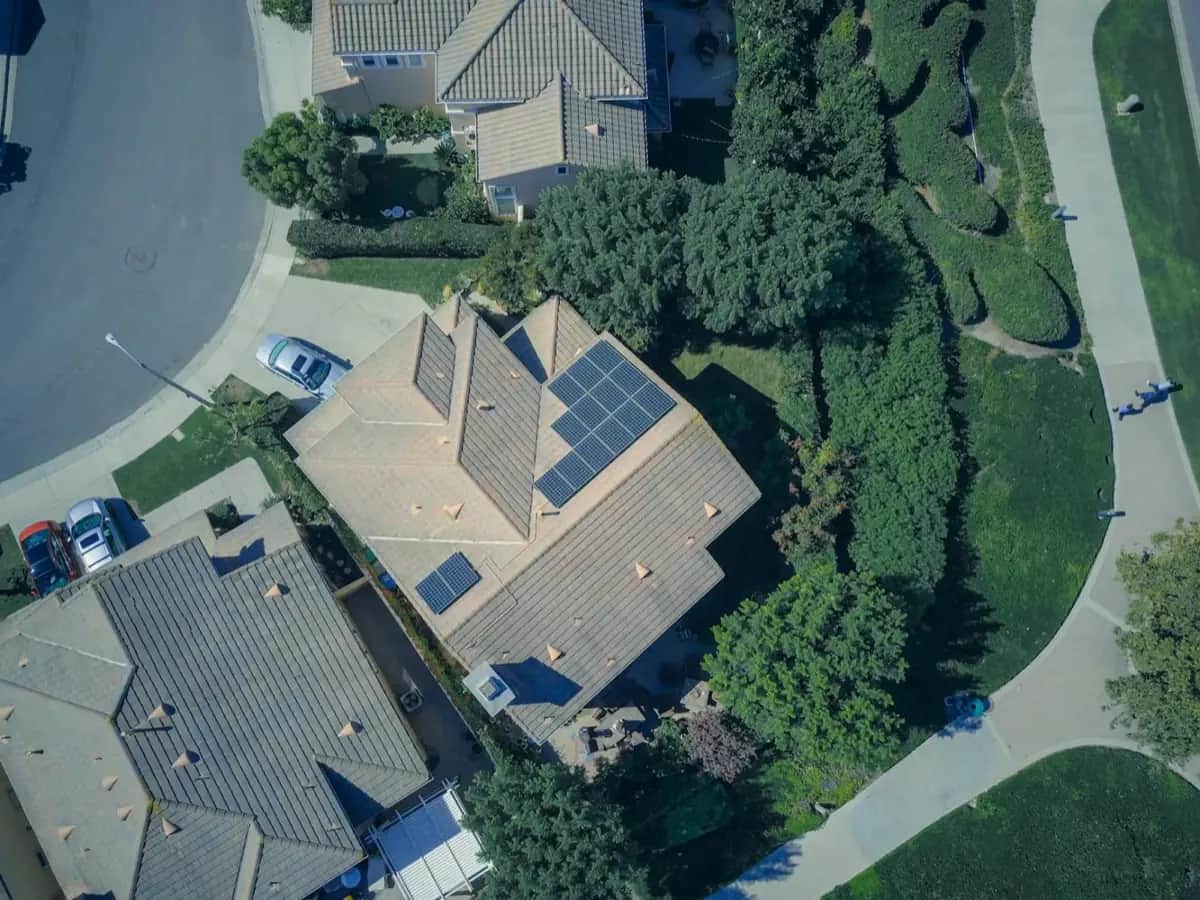
Solar: Foldable solar panels (20-40 watt) for €50-100. Charge phone in 2-4 hours with good sunlight.
Crank: Crank radios with USB output — very slow but symbolically important.
Vehicle: 12V socket in car. Run engine 10-15 minutes = several phone charges.
Warmth Without Electric Heating
This is the most critical point in a winter blackout:
- Clothing layers: Thermal underwear, fleece, down jacket — saves more than any heater
- Wool blankets: 2-3 layers, sleeping bag over blanket
- Community: Multiple people in same room share body heat
- Insulate: Seal door gaps, close curtains
Light Strategy
- Headlamp: Hands free, most efficient light use
- Battery LED candles: Ambient light without fire risk
- Tea lights: Warmth + light, but watch for fire hazards
- Emergency blanket as reflector: Reflecting light doubles brightness in one room
Conclusion
In a crisis, you can live comfortably with 10-20 watt daily power consumption. Any medium-sized power bank or solar panel achieves this. The key: prioritize and reduce comfort — for a short time, this is completely manageable.
Recommended Products
As an Amazon Associate we earn from qualifying purchases. Buying through our links supports the development of this app at no extra cost to you.