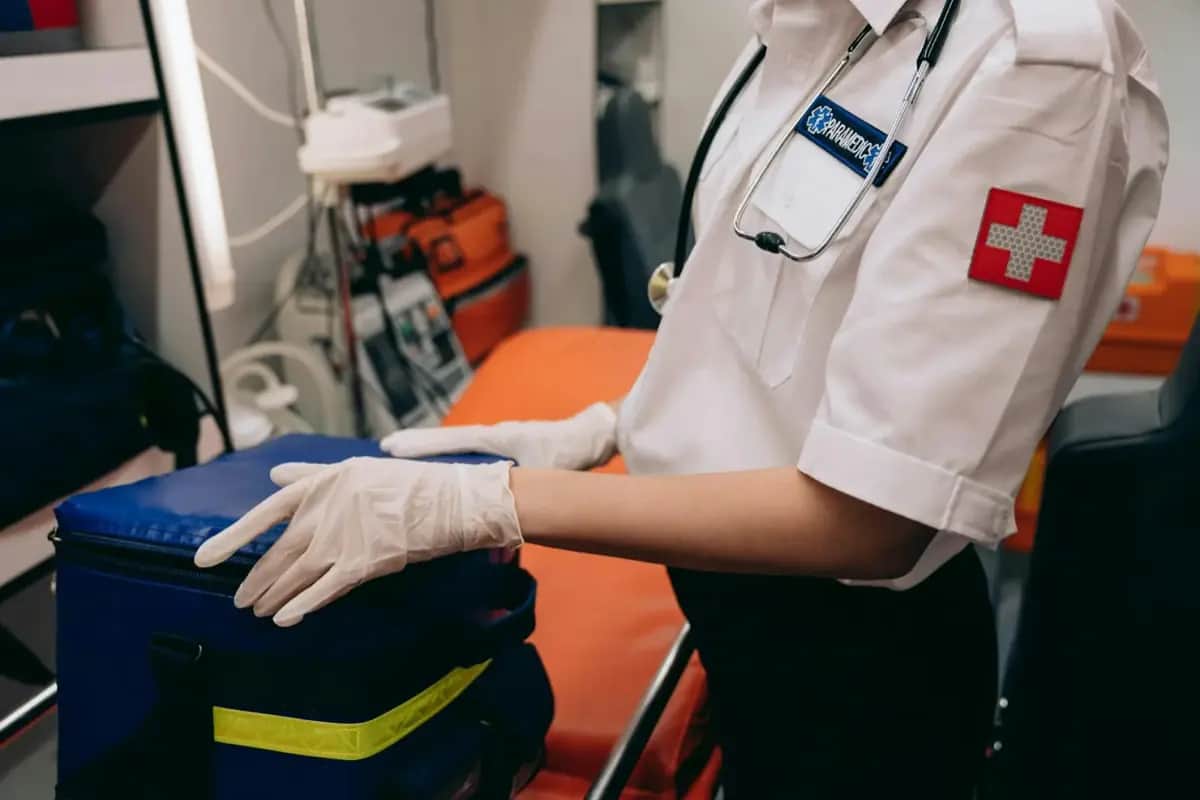
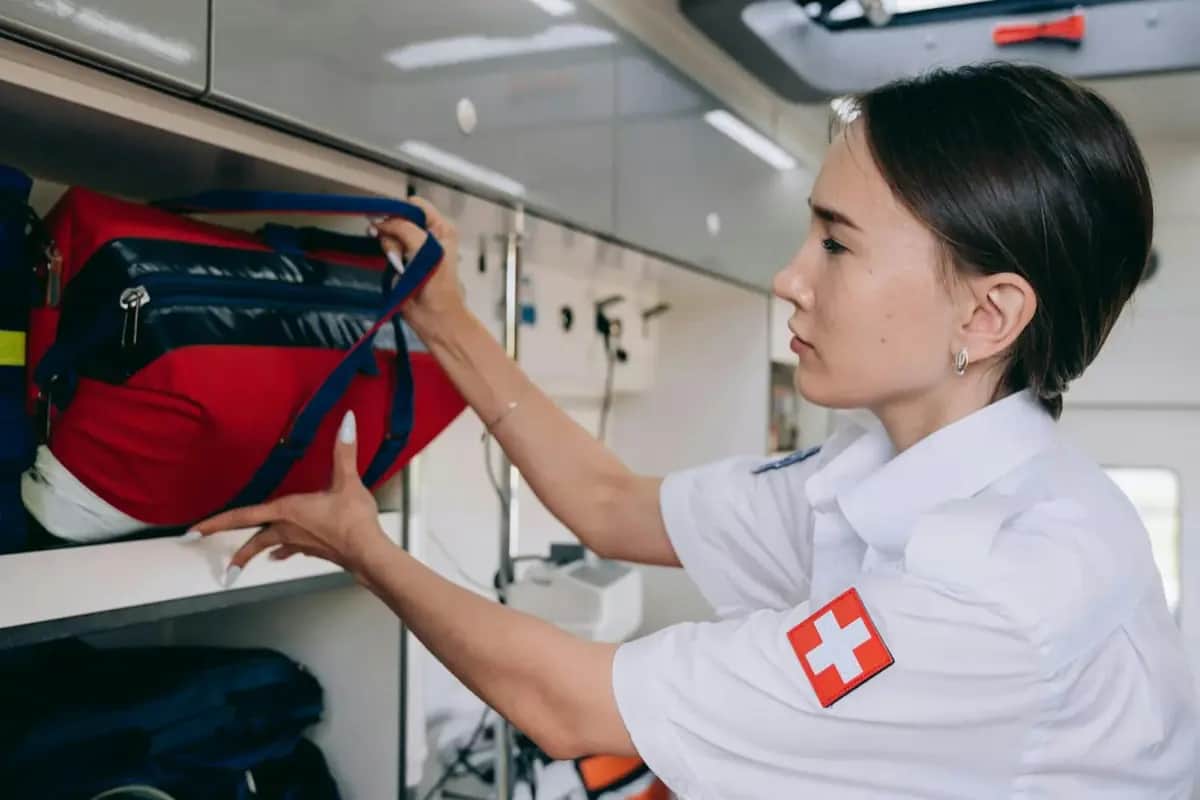
 Foto: Ron Lach / Pexels
10 Tips for Preparing Children for Crises Without Frightening Them
How to prepare children for emergencies in an age-appropriate way that builds resilience rather than fear. 10 practical tips for parents.
Tip 1: Lead With Your Own Calm
Children regulate their emotional response to risks based primarily on the adults around them. If you approach preparedness with calm, matter-of-fact competence — "we're organized, we have a plan" — they'll mirror that.
If you're anxious and secretive, they'll sense the anxiety without the context, which is worse.
Practice this: Describe your preparedness activities in the same tone you'd describe having car insurance. It's sensible. It's responsible. It's not scary.
Tip 2: Frame Preparation as Competence, Not Fear
"We prepare because bad things are likely" → anxiety
"We prepare because competent people make plans" → confidence
The second framing is also more accurate. You wear a seatbelt not because you expect to crash — you wear it because you're a careful driver.
Tip 3: Involve Them in Physical Activities
Children learn through doing. Abstract preparation discussions don't resonate with most children under 12. Concrete activities do:
- "Help me pack the emergency bag"
- "Come check if our radio has fresh batteries"
- "You're responsible for knowing where the flashlights are"
Involvement builds ownership and reduces the unknown-ness that creates anxiety.
Tip 4: Practice the Meeting Spot Without Drama
Regular, low-key practice of your family meeting spot makes it familiar and non-threatening. Do it the same way you practice a fire drill — matter-of-factly, as a family habit.
"If we ever get separated in an emergency, we meet at [specific location]. Let's walk there so you know exactly where it is."
Tip 5: Answer Questions Honestly at Their Level
Children ask direct questions. The temptation is to deflect or minimize. This backfires — they sense evasion and imagine something worse.
Answer honestly, at their developmental level, without catastrophizing.
"Yes, sometimes the power goes out for a long time. That's why we have flashlights and the camping stove."
"Yes, sometimes there are emergencies. That's why we have a plan."
Tip 6: Give Them Age-Appropriate Responsibility
Nothing reduces anxiety better than a sense of competence and control. A child who knows: "I'm responsible for the emergency radio" has specific agency.
Match responsibility to developmental stage:
- Ages 5-7: "You hold the flashlight"
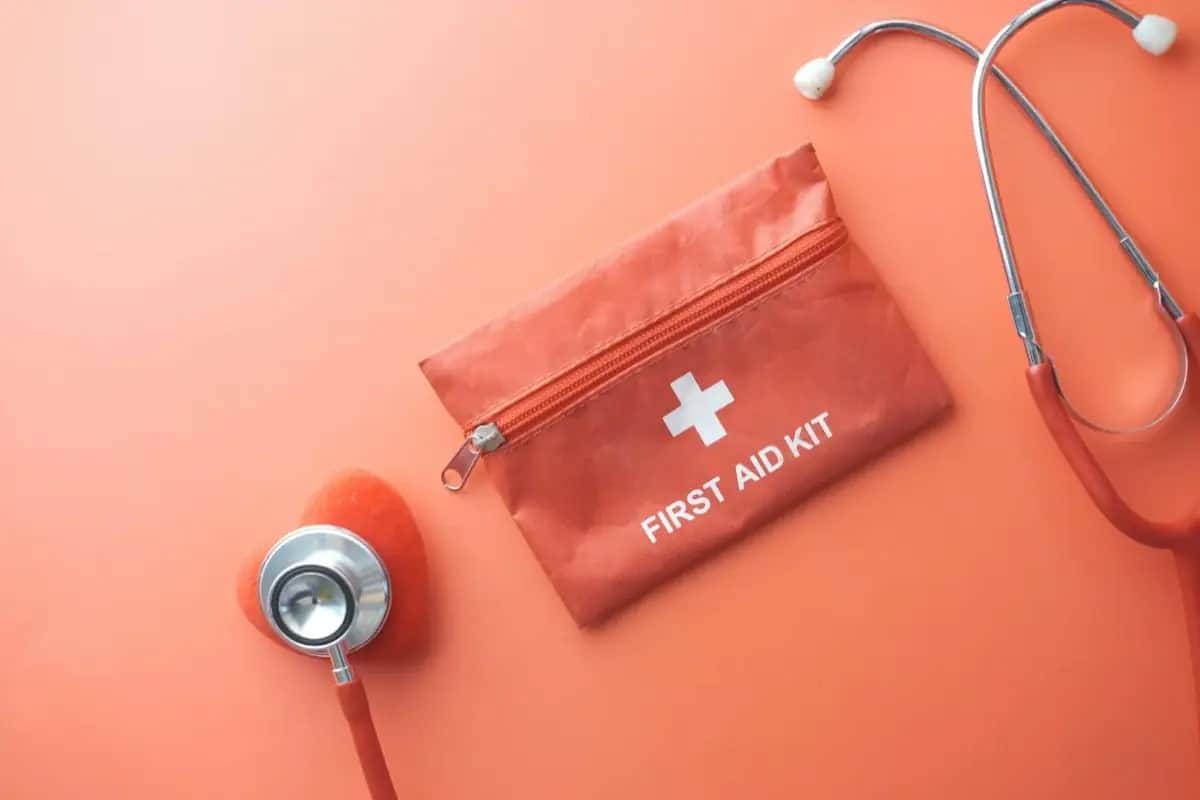
- Ages 8-11: "You know where the first aid kit is and how to open it"
- Ages 12+: "You can use the emergency radio and know our meeting spots"
Tip 7: Keep Screen Time Around News Limited for Young Children
Young children exposed to news coverage of disasters experience anxiety disproportionate to the actual risk (because dramatic coverage selects for dramatic events). Limit news exposure for children under 10.
This doesn't mean keeping them ignorant — it means age-appropriate information from you, not unfiltered news.
Tip 8: Normalize Community and Mutual Aid
Emphasize that in emergencies, people help each other. This counters the catastrophic solo-survival narrative that creates anxiety.
"In emergencies, neighbors help neighbors. We know the family upstairs. We'd help them and they'd help us."
This is also true: communities with high social cohesion consistently do better in crises than those without.
Tip 9: Don't Make It the Dominant Topic
Preparedness should be a sensible background feature of family life — not a consuming preoccupation. If every dinner conversation involves crisis scenarios, children will develop disproportionate anxiety.
Discuss it when relevant. Conduct practical activities periodically. Otherwise, let them be children.
Tip 10: Model Seeking Help When Needed
One of the most important crisis skills is knowing when to ask for help and being willing to do so. Model this explicitly.
"When we're not sure, we ask someone who knows." "It's smart to ask for help when you need it."
Children who've learned to seek help when overwhelmed navigate crises much better than those taught only self-reliance.
Recommended Products
As an Amazon Associate we earn from qualifying purchases. Buying through our links supports the development of this app at no extra cost to you.