 Foto: Mika Baumeister / Unsplash
Flood Preparedness: Lessons from the 2024 Floods
After severe flooding in southern Germany - how to prepare your home and family for flood emergencies.
The 2024 Floods: What We Learned
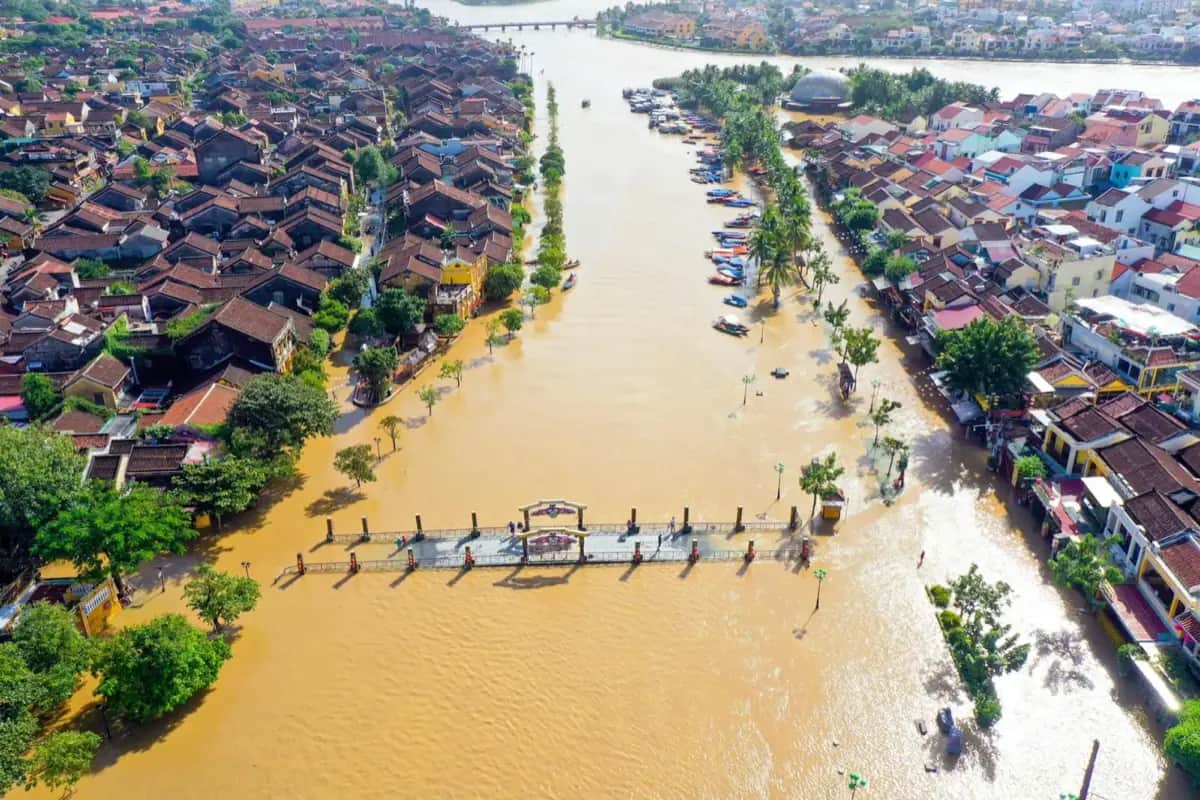
In June 2024, southern Germany experienced one of the most severe flood disasters in decades. Bavaria and Baden-Württemberg were hit hardest: the Iller, Danube, and their tributaries rose to record levels within hours of intense rainfall. Entire communities were evacuated, road and rail connections were cut for days, and basements and ground floors across thousands of homes were submerged.
The event had characteristics that are directly relevant for preparedness planning:
Speed: Water levels rose within hours of heavy rainfall. Residents who hadn't subscribed to flood warning services had almost no time to prepare.
Compound failures: Flooding led to simultaneous power and gas outages in affected areas. The combination — water ingress plus loss of electricity — meant pumps, heating, and communications all failed at once.
Evacuation hesitation: Many residents were reluctant to leave their homes. Those who had already prepared an emergency bag and secured their documents were able to evacuate more quickly and calmly.
The 2024 floods followed the devastating 2021 Ahr Valley disaster, which killed over 180 people. In many of the affected communities, flood warning systems failed. That experience catalyzed major investment in Germany's emergency alert infrastructure — Cell Broadcast, NINA app updates, and expanded siren networks all trace their urgency partly to the Ahr Valley tragedy.
Understanding Your Flood Risk
Not everyone lives in a designated flood zone — but more people than expected are at some level of risk. Flood threats come from multiple sources:
River flooding: Direct inundation from rivers, lakes, and streams. Germany's state environmental agencies publish flood hazard maps showing HQ100 and HQ200 zones — areas statistically expected to flood every 100 or 200 years. These maps are available online and searchable by address.
Surface runoff flooding: Heavy rainfall can saturate soil and overwhelm storm drains. Water flows across roads and into basements — even miles from any river. Urban areas are especially vulnerable as impermeable surfaces increase runoff.
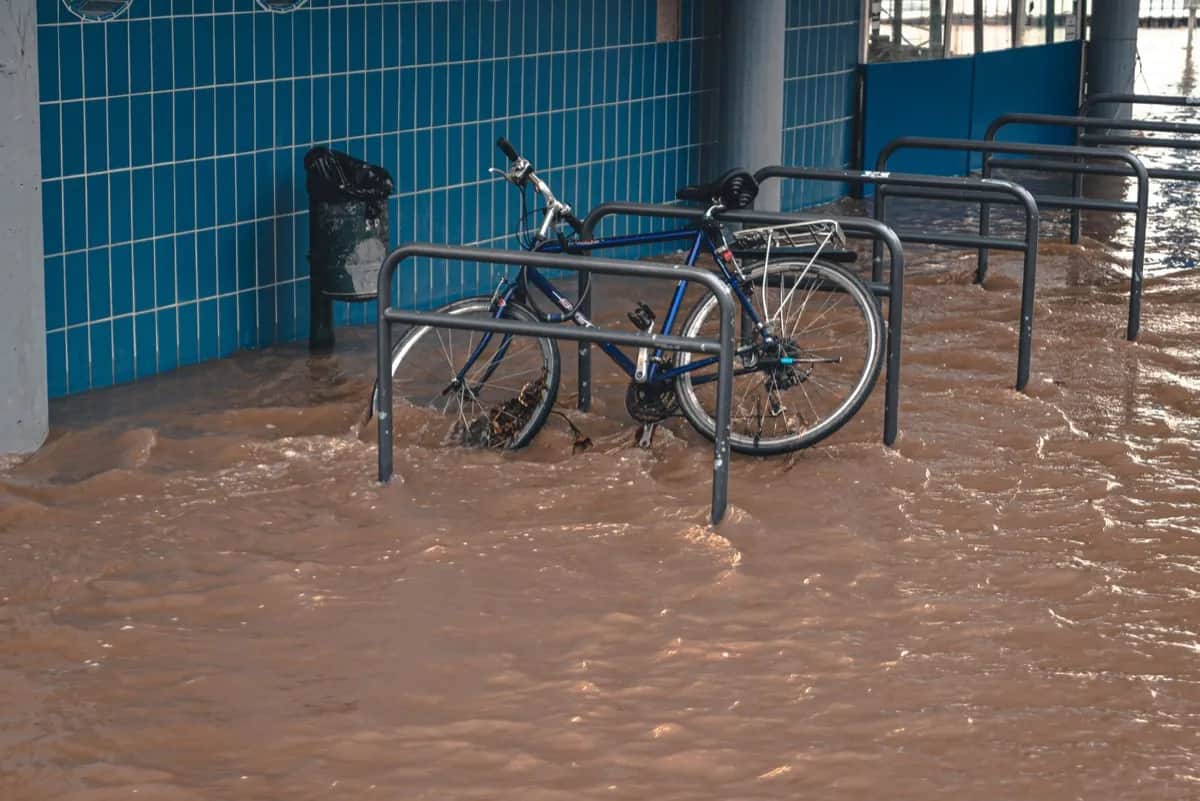
Backflow flooding: During heavy rain, water can be forced backward through sewer connections into basements. Without a properly installed backflow prevention valve, your basement can flood from below even if no surface water is nearby.
Groundwater flooding: In areas with high water tables, sustained rainfall can raise the groundwater level above basement floor elevation.
Practical recommendation: Check your flood risk using your state's environmental agency hazard maps (LANUV in NRW, LfU in Bavaria, and equivalent agencies in other states). Many European countries also have national flood mapping tools available online.
Document and Valuables Protection
In a flood emergency, documents are the first priority and the most often overlooked. Prepare now, while there's no urgency:
Create a waterproof document box:
- Passport and national ID card
- Insurance policies (home contents, building, health, vehicle)
- Property deed or rental contract
- Birth and marriage certificates
- Vaccination records
- Bank account numbers and contact information
Store originals in a waterproof IP67-rated document case or sealed resealable bags. Scan all critical documents and store encrypted copies in cloud storage accessible from mobile devices.
Valuables: Jewelry, important electronics, and family photos should be moved to upper floors at the first sign of a flood warning — not after water has already entered.
The Emergency Bag for Evacuation
When authorities issue an evacuation order, you may have only minutes. A pre-packed emergency bag is the single most important preparation investment:
Contents for 72 hours (per person):
- Water: 3 × 750ml bottles
- Food: energy bars, nuts, dried fruit, crackers
- First aid: bandages, pain medication, personal prescription medications (minimum 3-day supply)
- Flashlight with spare batteries
- Fully charged power bank
- Hand-crank radio for official updates
- Clothing for 3 days (weather-appropriate, in a waterproof bag)
- Sleeping bag or emergency thermal blanket
- Cash (€100-200 in small bills — ATMs will be offline)
- Copies of critical documents (ID, insurance)
- Spare keys (home, car)
- Pen and notepad
Location: Keep the bag in an upper floor or in your car — not in the basement where it would be the first thing flooded.
Physical Protection Measures for Your Home
Immediate actions (available now):
- Check your basement's backflow prevention valve — this prevents sewer backflow
- Seal basement window openings and door gaps with sandbags when a warning is issued
- Move electrical appliances from the basement (washing machine, dryer, freezer)
- Secure heating oil tanks against buoyancy (if floating oil tanks are present, professional service required)
- Know exactly where your gas and electricity shutoffs are — turn them off immediately if water enters
Medium-term investments:
- Have a backflow valve professionally installed (cost: approximately €500-2,000)
- Waterproof basement windows or removable flood barriers for doors
- Watertight door seals for basement entries
Long-term building considerations:
If you're renovating or building new, locate heating systems, electrical panels, and other critical infrastructure on upper floors rather than in the basement.
Insurance: What You Need to Know Before a Loss
Critical reality: Most standard home contents and building insurance policies in Germany do not cover flood damage by default. "Natural hazard insurance" (Elementarschadenversicherung or erweiterte Naturgefahrenversicherung) must be added explicitly as a policy rider.
Only approximately 50 percent of German households carry this additional coverage, despite the fact that flood damage claims have increased dramatically in recent years. Uninsured homeowners after a major flood face the full cost of repairs, replacement, and temporary housing entirely on their own.
Action steps:
- Review your existing insurance policies today
- Request a quote for natural hazard coverage from your insurer
- Create a photo inventory of your household possessions for claims documentation (store inventory photos in cloud storage)
In many German states, flood-prone areas face higher premiums or exclusions — another reason to check your risk level and coverage status before you need it.
Your Flood Preparedness Checklist
Work through this in the next hour:
- Check your address on your state's flood hazard map
- Create a waterproof document box and fill it
- Assemble an emergency bag and store it on an upper floor or in your car
- Test your basement's backflow prevention valve
- Discuss the evacuation plan with all household members (where to go, who picks up who, meeting point)
- Install the NINA app and subscribe to flood warnings for your area
- Review your insurance coverage (natural hazard/Elementarschaden)
- Scan important documents and store encrypted cloud copies
The floods of 2024 — and the Ahr Valley disaster of 2021 — make clear that flood risk is not an abstract concern confined to remote regions. It can affect communities anywhere, arriving fast, without much warning, with serious material and human consequences. Preparation doesn't stop the water. But it stops the chaos that follows.
Recommended Products
As an Amazon Associate we earn from qualifying purchases. Buying through our links supports the development of this app at no extra cost to you.