 Foto: Serg Alesenko / Pexels
6 Mistakes When Explaining Crises to Children That Increase Fear
These 6 common mistakes in crisis communication with children make things worse, not better. How to avoid them and what to do instead.
Mistake 1: Using Fear as Motivation
"We need to prepare because very bad things might happen to us."
This framing activates anxiety in children without providing any agency or comfort. The implicit message: we are in danger.
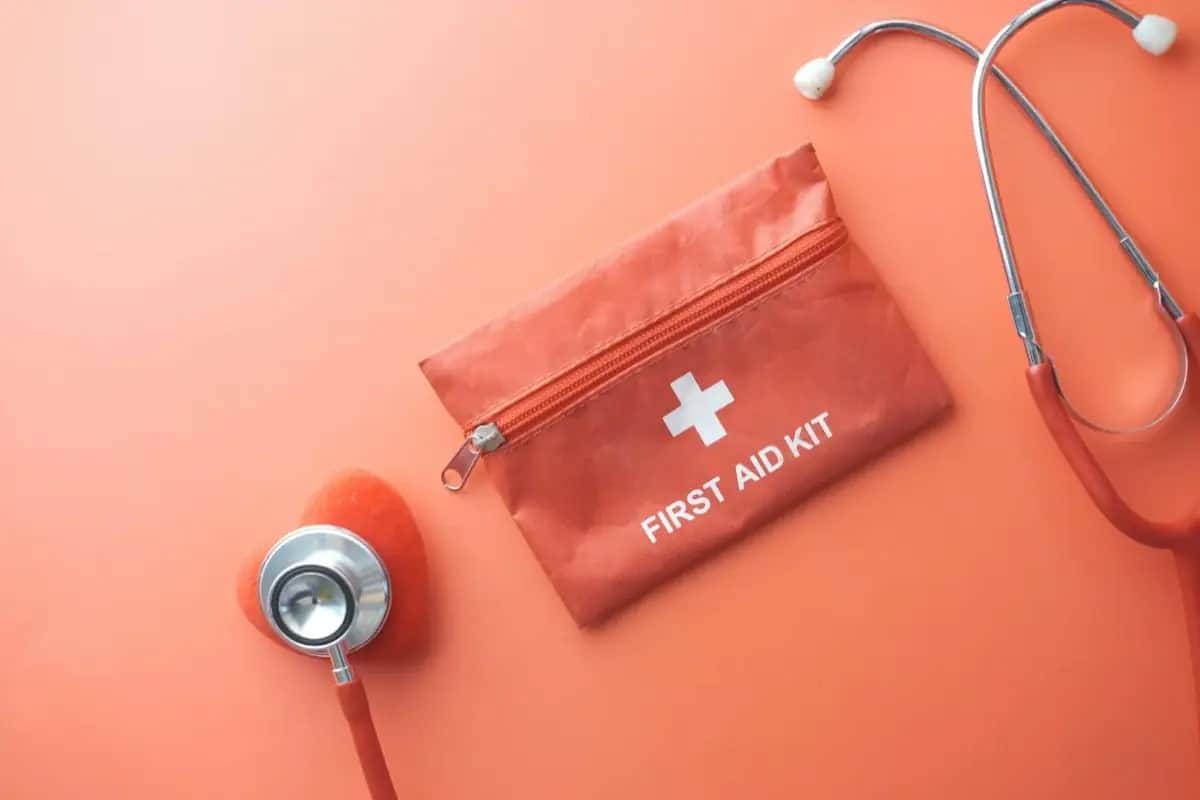
Better: "We prepare because organized families do better. It's like having a first aid kit."
The goal is resilience, not fear. Fear-based motivation produces chronic anxiety, not effective preparation.
Mistake 2: Exposing Young Children to Adult Conversations
Children pick up on adult emotional tone even when they don't understand the content. Parents discussing geopolitical threats, worst-case scenarios, and disturbing news create anxious, confused children who sense danger they can't contextualize.
Children under 10, and particularly under 7, should not be in the room for adult crisis discussions.
Instead: Have age-appropriate, separate conversations with children about what's relevant to their level.
Mistake 3: Minimizing or Lying When Asked Direct Questions
"Don't worry, nothing bad will ever happen."
Children sense when adults are lying or evading. False reassurance destroys trust. When the reality inevitably differs from the promise, children lose confidence in adult reliability — exactly when they need it most.
Instead: "I don't know exactly what might happen. But I know that we have a plan and we've prepared. And we'll face whatever comes together."
This is honest, forward-looking, and reassuring without being false.
Mistake 4: Leaving Older Children Out
Many parents believe that not discussing difficult topics protects teenagers. What actually happens: they get their information from social media and peers — sources significantly more catastrophizing and less accurate than a calm parental conversation.
A teenager who's been avoided by parents will fill the gap with the worst available information.
Instead: Have real conversations with older children and teenagers. Share what you know and what you don't. Include them as capable of handling the truth.
Mistake 5: No Preparation — Only Conversation
Discussing risks with children without any preparatory action sends a mixed message: "This is important enough to talk about but not important enough to actually do anything."
Action provides psychological security that conversation alone cannot.
Instead: Follow discussion with concrete activity. The conversation should lead to: "So let's check our emergency supplies" or "Let's practice the meeting point."
Mistake 6: Making It the Dominant Topic
Parents who are anxious about risks sometimes over-discuss preparedness. Children who grow up in households where crisis scenarios are a constant topic frequently develop chronic anxiety — a hypervigilant threat-monitoring mode that doesn't serve them.
Better: Treat preparedness as one sensible aspect of family life among many. Conduct annual or semi-annual reviews. Don't turn every news event into a crisis discussion.
What Good Crisis Communication Looks Like
The evidence from child psychology, disaster response research, and trauma studies consistently points to the same model:
- Calm, competent adult tone: "We can handle this"
- Honest but age-appropriate information: Neither hiding nor catastrophizing
- Concrete, specific plans: "Here's what we do"
- Agency and involvement: Children have roles
- Community emphasis: "We have people who help us"
- Proportionate attention: Important but not consuming
Children raised with this approach show greater resilience in actual crises than those protected from all discussion.
Recommended Products
As an Amazon Associate we earn from qualifying purchases. Buying through our links supports the development of this app at no extra cost to you.