 Foto: Tima Miroshnichenko / Pexels
11 Tips for Optimal Emergency Lighting at Home and On the Go
Get the most out of your emergency lighting setup with these 11 practical tips. From battery conservation to candle safety and positioning strategies that make all the difference.
Tip 1: Position Lights Before You Need Them
The worst time to search for a flashlight is in the dark during a power outage. Before a crisis, place emergency lights in locations you can reach without vision:
- Headlamp on the bedside table
- Flashlight in the kitchen drawer at a predictable spot
- Lantern near the front door
- One light near the breaker box
When the lights go out, your hand goes to the exact location. This is more valuable than owning 10 flashlights stored randomly.
Tip 2: Headlamps Over Handheld Flashlights
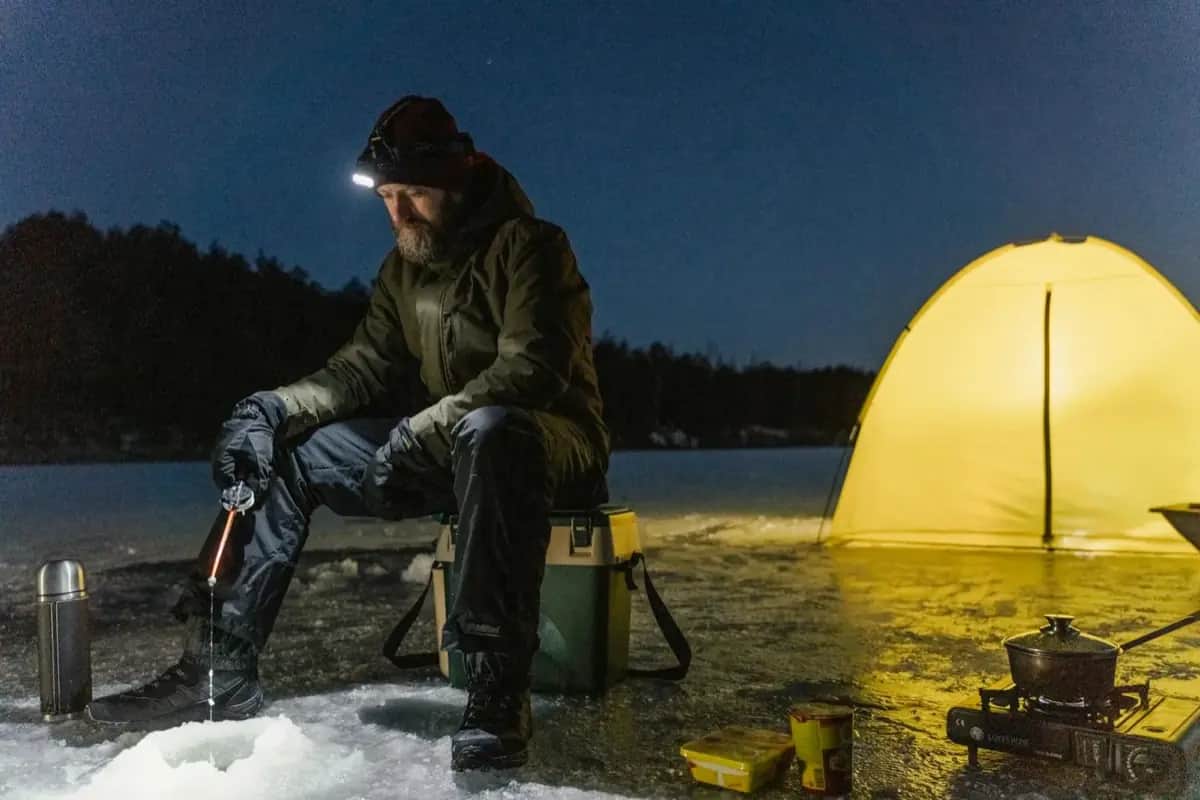
A headlamp is categorically better than a handheld flashlight for emergency use. You need both hands free to:
- Carry children or supplies
- Open doors
- Provide first aid
- Navigate stairs
Headlamps cost 10-30 euros and are a significant upgrade in usability. Buy one per person in the household.
Tip 3: Use Red Light for Nighttime Movement
Most modern headlamps have a red light mode. Red light preserves your night vision — your eyes adapt to darkness within minutes, and red light doesn't reset that adaptation.
Use red light for nighttime navigation around the house. Use white light for tasks requiring clarity.
Tip 4: Test Batteries Monthly
The most common reason emergency lights fail is not equipment failure — it's dead batteries that weren't tested. Set a monthly reminder (the first of each month works) to:
- Turn on each emergency light
- Confirm it works at full brightness
- Replace batteries that seem weak
A dead flashlight during a blackout is worse than no flashlight (it creates false confidence before the crisis).
Tip 5: Stock Standardized Battery Sizes
Using multiple battery sizes (AAA, AA, C, D) complicates your supply. Where possible, standardize on AA and AAA batteries, which cover most emergency lighting equipment.
Keep dedicated battery stock separate from everyday batteries. Label it "Emergency Use Only."
Tip 6: Mirror Surfaces Double Your Effective Light
A candle in a corner provides less light than the same candle near a mirror or light-colored wall. Simple technique that costs nothing:
- Place lights near light-colored walls (reflects light into the room)
- A mirror behind a candle or lantern significantly increases effective range
- White walls are dramatically better than dark walls for lighting efficiency
Tip 7: Maximize Small Room Efficiency
Instead of spreading lights throughout the house, concentrate in one room and close doors to unoccupied areas. A 300-lumen lantern that would marginally light a large open floor plan will fully illuminate a small bedroom.
In an extended blackout, this is also the heating strategy: concentrate heat and light in the smallest practical space.
Tip 8: Candle Safety Is Non-Negotiable
Candles cause house fires. The rules are simple and must be followed:
- Never leave lit candles unattended
- Never place near curtains, paper, or anything flammable
- Use proper candleholders — a wine glass is not a candleholder
- Extinguish before sleeping
- Keep CO detector in the same room
One candle-caused fire undoes years of emergency preparation.
Tip 9: Glow Sticks for Children's Areas
Children's bedrooms and areas where children sleep should use glow sticks or battery lanterns, never open flames. A glow stick provides adequate orientation light with zero fire or burn risk.
Glow sticks activate with a snap and provide 8-12 hours of light. Cost: under €1 each. Stock 20+.
Tip 10: Keep Phone Battery for Communication, Not Lighting
Your phone's flashlight is convenient, but it drains battery that you need for:
- Calling emergency services
- Receiving emergency alerts
- Communication with family
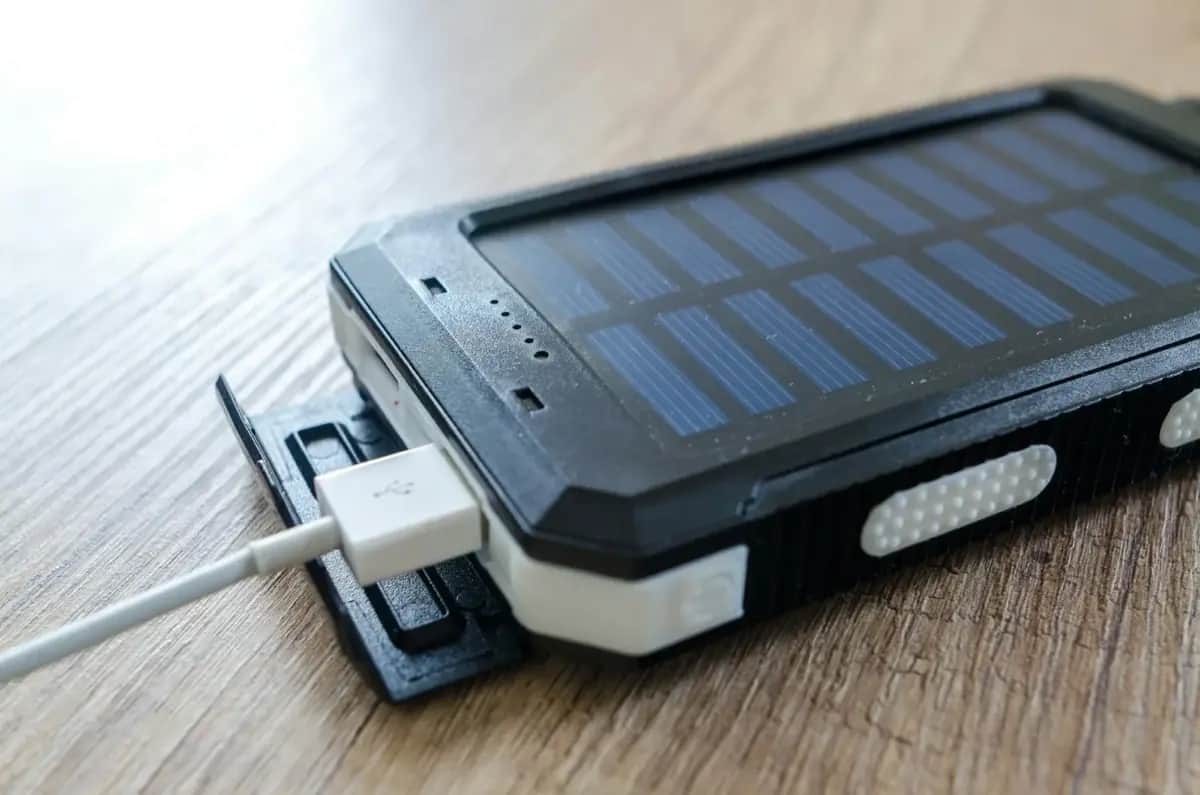
Use dedicated emergency lighting and preserve phone battery for communication. Have a charged power bank for phone charging emergencies.
Tip 11: Create a "Light Kit" for Each Room
Rather than having all lighting in one location, maintain a simple light kit in each major room:
Each room light kit (fits in a small bag):
- 1 glow stick
- 1 small candle + lighter
- 1 AA flashlight
This costs under €5 per room and ensures that wherever you are in the house when the power fails, light is immediately available.
Putting It Together: The Practical System
When power fails:
- Grab bedside headlamp (pre-positioned)
- Turn on kitchen lantern (pre-positioned)
- Gather family in one room
- Activate secondary lighting as needed
For extended outage:
- Use lanterns for ambient light in occupied room
- Use headlamps for movement
- Charge power banks via solar lantern during daytime
- Use candles as tertiary supplemental light with strict safety
For sleeping:
- Glow stick or battery night light only
- No open flames in sleeping areas
With this system, a week-long power outage is manageable without the disruption most people fear.
Recommended Products
As an Amazon Associate we earn from qualifying purchases. Buying through our links supports the development of this app at no extra cost to you.