 Foto: Tima Miroshnichenko / Pexels
Emergency Lighting: The Complete Guide to Light Without Power
When the power goes out, light is your first need. This complete guide covers every emergency lighting option from candles to solar lanterns — with honest pros, cons, and recommendations.
Why Emergency Lighting Is Your First Priority in a Blackout
When power goes out at 10 PM, your first need isn't food or water — it's light. Without light, you can't safely navigate your home, you can't access other supplies, and children and elderly family members face fall and injury risks.
Light is also psychologically stabilizing. Darkness amplifies fear and disorientation. Having light immediately restores a sense of control.
This guide covers every major emergency lighting option so you can make informed choices for your household.
Option 1: LED Flashlights
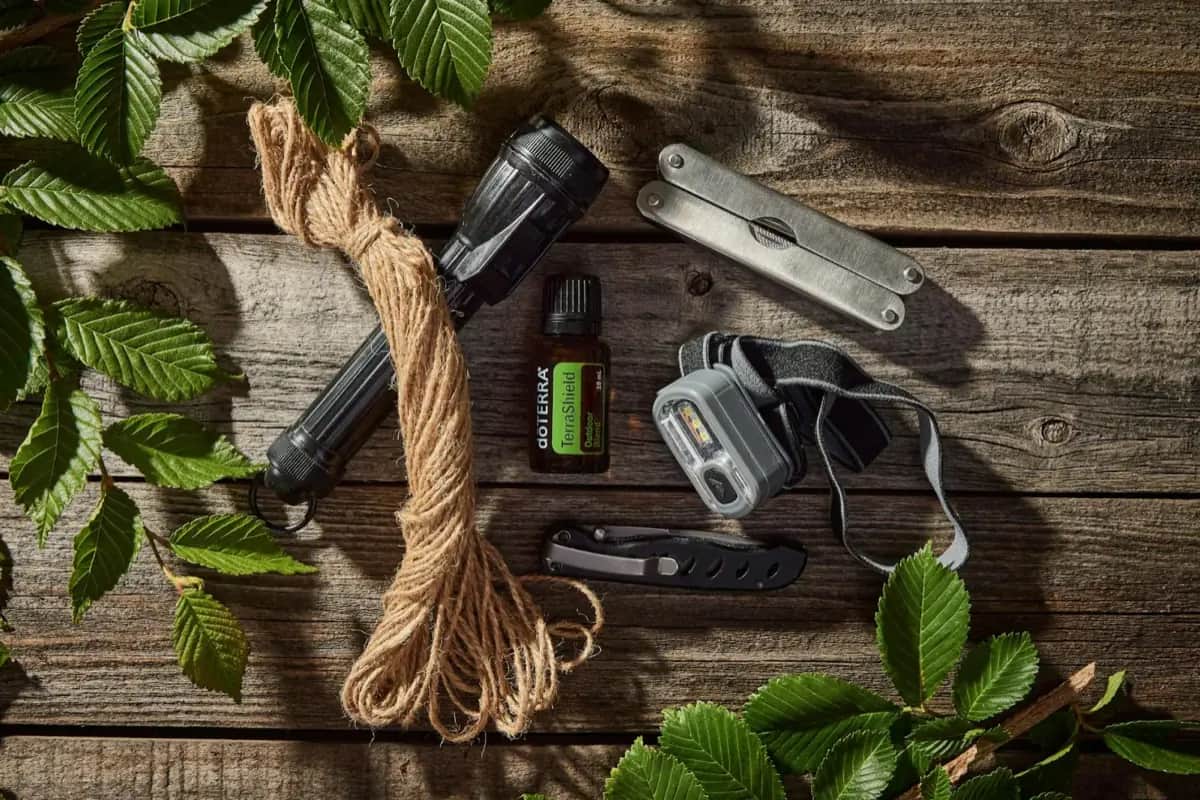
The essential baseline. Every household should have at least 2-3 quality LED flashlights.
Pros:
- Instant on, no setup
- Very long battery life (LED technology)
- Bright and directional (good for navigation)
- Durable and reliable
Cons:
- Requires batteries (stock extras)
- Directional light — not ideal for ambient room lighting
- Dropped or lost in dark if not pre-positioned
What to buy:
- 100-300 lumens is sufficient for home use
- Battery type: AA or AAA (easier to stock)
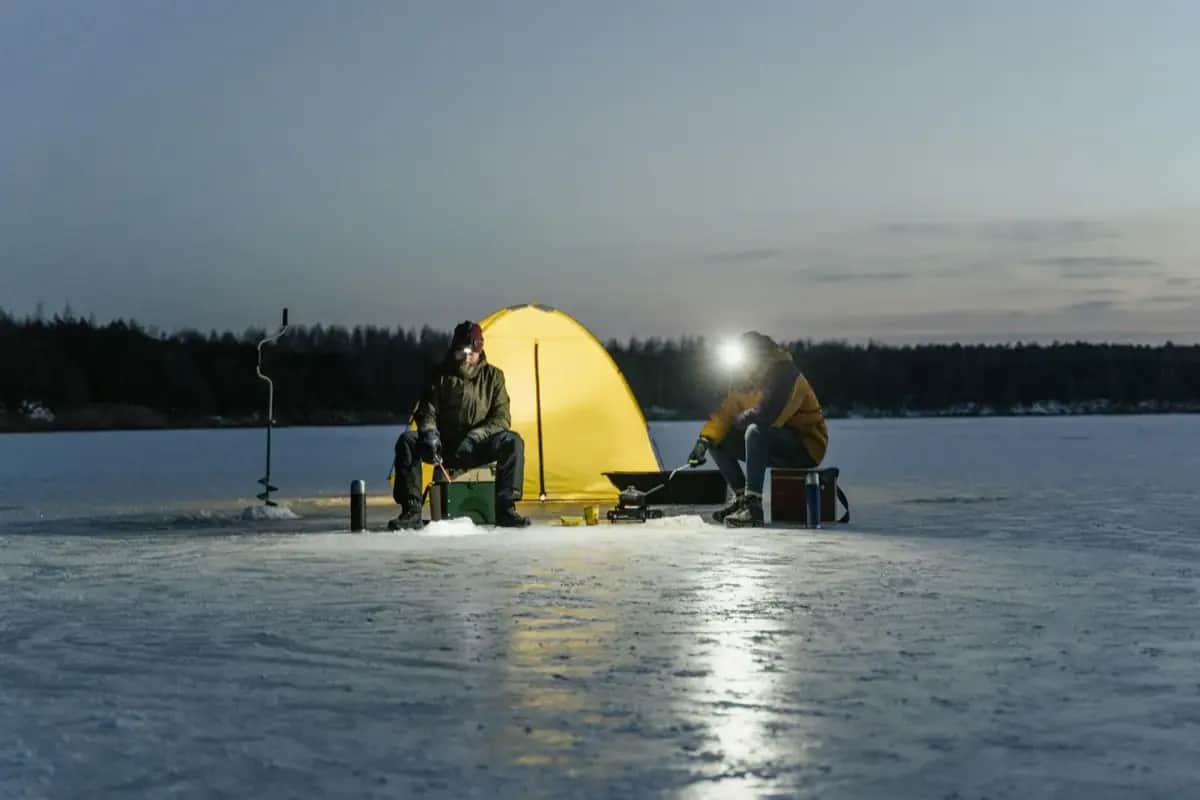
- Headlamps are significantly better than handheld for extended use (hands-free)
Stock recommendation: 1 headlamp per person, 2 additional handheld flashlights.
Option 2: Battery-Powered LED Lanterns
The best ambient lighting solution. A lantern illuminates a whole room, unlike a flashlight.
Pros:
- 360-degree ambient light — excellent for rooms
- Modern LED lanterns give 100+ hours on AA batteries
- Often foldable or collapsible for storage
- Safe — no flame, no heat
Cons:
- Larger footprint than flashlights
- Less directional (less useful for navigation)
What to buy:
- Look for 300-500 lumen models
- Collapsible models (BioLite, Black Diamond) store compactly
- AA battery models are easiest to stock
Stock recommendation: 1-2 lanterns per household, stored in central accessible location.
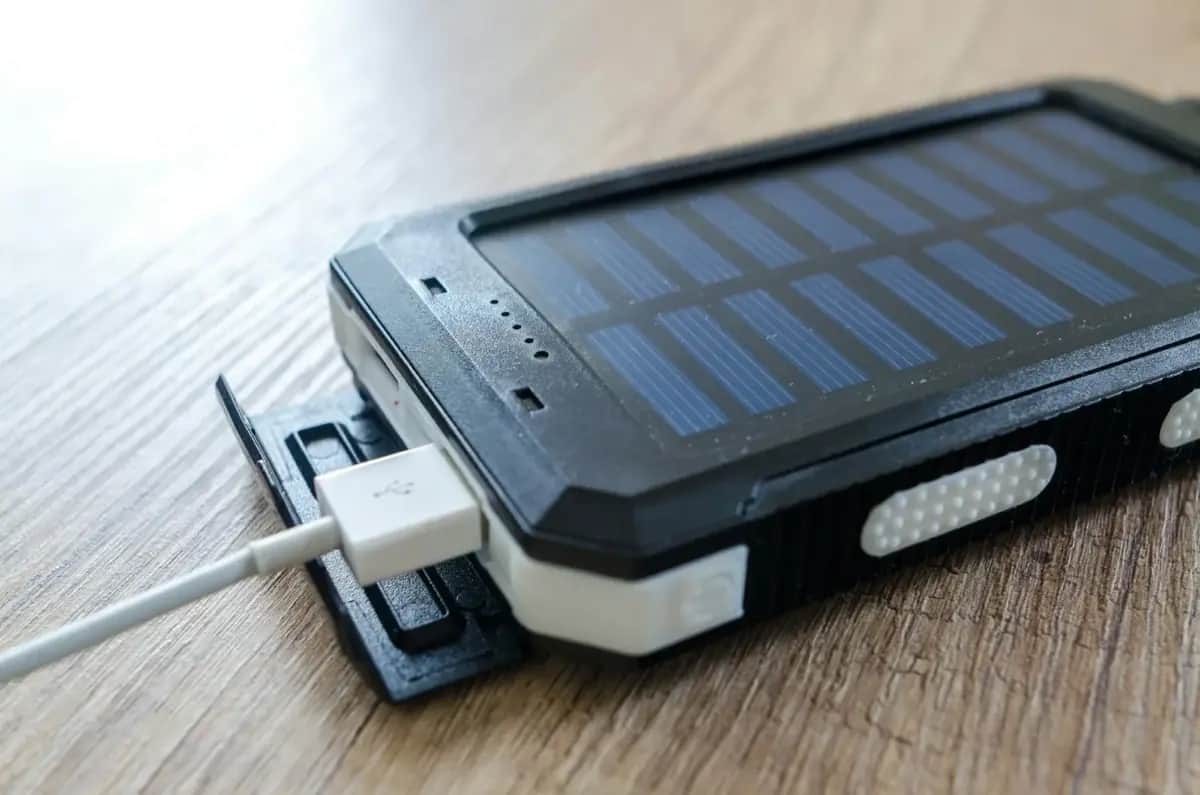
Option 3: Solar-Charged Lanterns
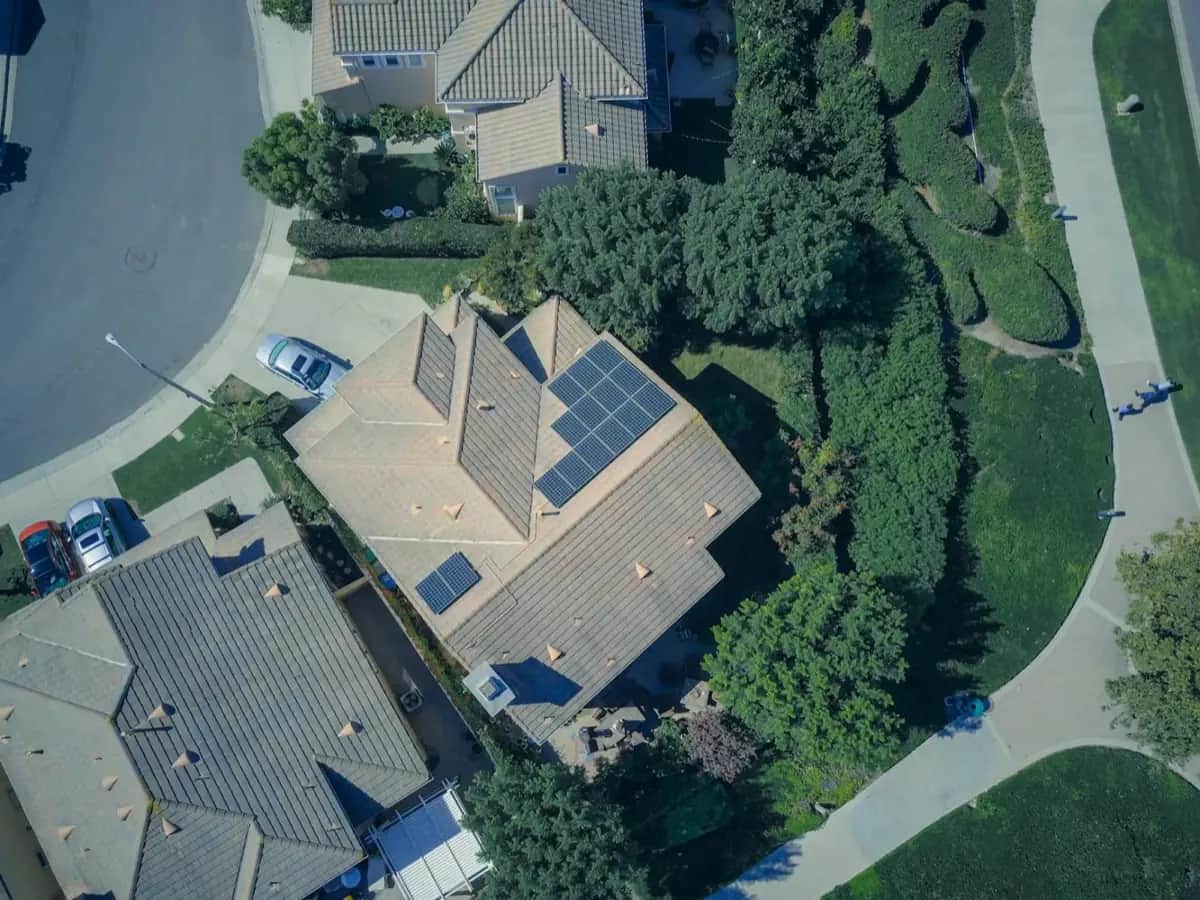
The renewable option. Solar lanterns charge by day and provide light at night.
Pros:
- No ongoing battery cost
- Good for extended outages (infinite supply with sunlight)
- Many models double as USB phone chargers
Cons:
- Requires charging in advance or during daylight
- Less reliable in winter (shorter days, weather)
- Higher upfront cost
What to buy:
- Goal Zero Lighthouse 600 (excellent quality, USB charging)
- Mpowerd Luci (inflatable, ultra-compact, affordable)
- LuminAID (solar + hand crank)
Stock recommendation: 1-2 solar lanterns as supplement to battery lanterns.
Option 4: Candles
The traditional option. Candles have serious limitations but remain useful.
Pros:
- Very cheap
- Long shelf life
- No batteries needed
- Psychologically comforting (warm light)
Cons:
- Fire hazard (significant — leading cause of house fires during blackouts)
- Ventilation required (oxygen consumption in sealed rooms)
- Low light output per candle
- Must not be left unattended
Rules for safe candle use:
- Never leave lit candles unattended
- Keep away from curtains, paper, anything flammable
- Use stable candleholders (not plates)
- Have a fire extinguisher accessible
- Do not use near sleeping people
Stock recommendation: 20+ candles as tertiary backup only, with strict safety protocols.
Option 5: Tea Light Ovens and Concentrated Candles
The heat + light combo. Tea light ovens (terracotta pot design) provide more concentrated heat and can improve light in a small space.
Useful but primarily for heat, not as a primary lighting solution.
Option 6: Glow Sticks (Chemiluminescent)
The safety option. Glow sticks produce cold light with no fire risk.
Pros:
- No fire risk (safe for children, safe when sleeping)
- Completely waterproof
- Very cheap
- 8-12 hour duration per stick
Cons:
- One-time use only
- Low light output (orientation, not work lighting)
- Cannot replace brighter lighting solutions
Best use: Kids' rooms, bathrooms, anywhere a lit candle or hot flashlight would be unsafe.
Stock recommendation: 20+ glow sticks for safe, no-fire illumination.
Option 7: Rechargeable Emergency Lights
The automatic solution. These lights stay plugged in normally and automatically activate when power fails.
Pros:
- No action required — automatic
- Always charged when mains power is available
- Good for hallways, stairs, bathrooms
Cons:
- Battery may degrade over years
- Limited run time (usually 3-5 hours)
- Needs electricity to charge (fails in extended outages)
What to buy:
- Jacksmile or Brimax LED Emergency Lights
- Install in key locations: hallway, bathroom, near front door
The Recommended Lighting System
Layer 1 (immediate): Pre-positioned headlamp at bedside, flashlight at front door — can be accessed in complete darkness.
Layer 2 (extended): Battery LED lanterns in common areas — kitchen, living room.
Layer 3 (long-term): Solar lanterns for multi-day outages.
Layer 4 (supplement): Candles for ambiance and backup, with strict safety protocols.
Layer 5 (safety): Glow sticks for nighttime movement and children's areas.
Positioning: The Most Important Factor
The most expensive lighting setup fails if it's in a drawer across the house when the power goes out. Pre-position lights:
- Bedside (headlamp)
- Kitchen drawer
- Front door area
- Near breaker panel
Do this now, while the lights are on.
Recommended Products
As an Amazon Associate we earn from qualifying purchases. Buying through our links supports the development of this app at no extra cost to you.