 Foto: Artem Podrez / Pexels
Dog Emergency Backpack Buying Guide: What Really Belongs Inside
Everything you need to know before buying a dog emergency backpack. What makes a good kit, what's usually missing, and how to build your own for the best results.
The Problem with Most Dog Emergency Backpacks
Dog emergency packs sold online fall into two categories: overpriced repackaged human kits with a dog bone printed on the bag, and genuinely useful purpose-built systems. Knowing the difference saves money and actually protects your dog.
This guide tells you what a legitimate dog emergency backpack contains, what to look for when buying, and how to build a better version yourself.
Who Carries the Pack: You or the Dog?
The first decision: do you want a pack your dog wears, or a kit you carry for your dog?
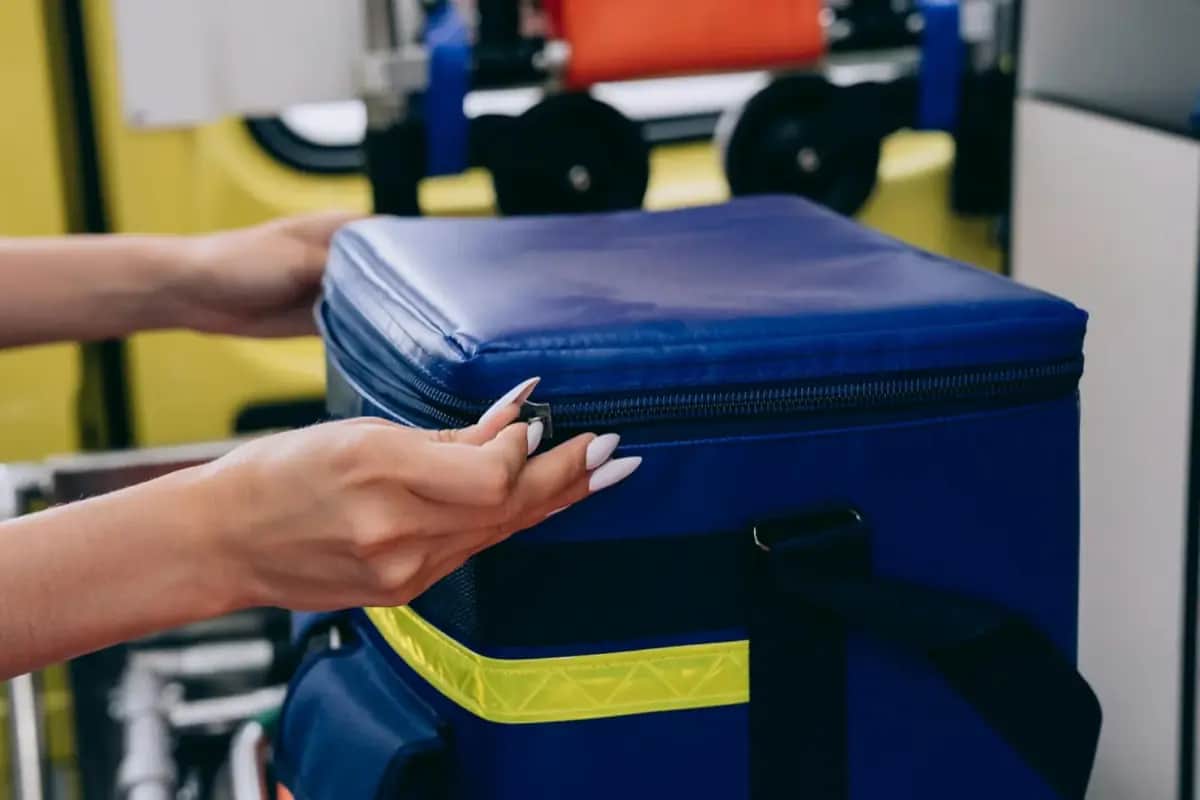
Dog-wearable packs (saddle bags)
The dog carries their own gear on their back. Works well for:
- Larger, fit dogs (minimum 15kg, no joint issues)
- Dogs comfortable with harnesses
- Evacuation involving hiking or off-road movement
Weight limit: maximum 25% of the dog's body weight. A 25kg dog can carry 6kg maximum. Most emergency kits weigh 1-3kg.
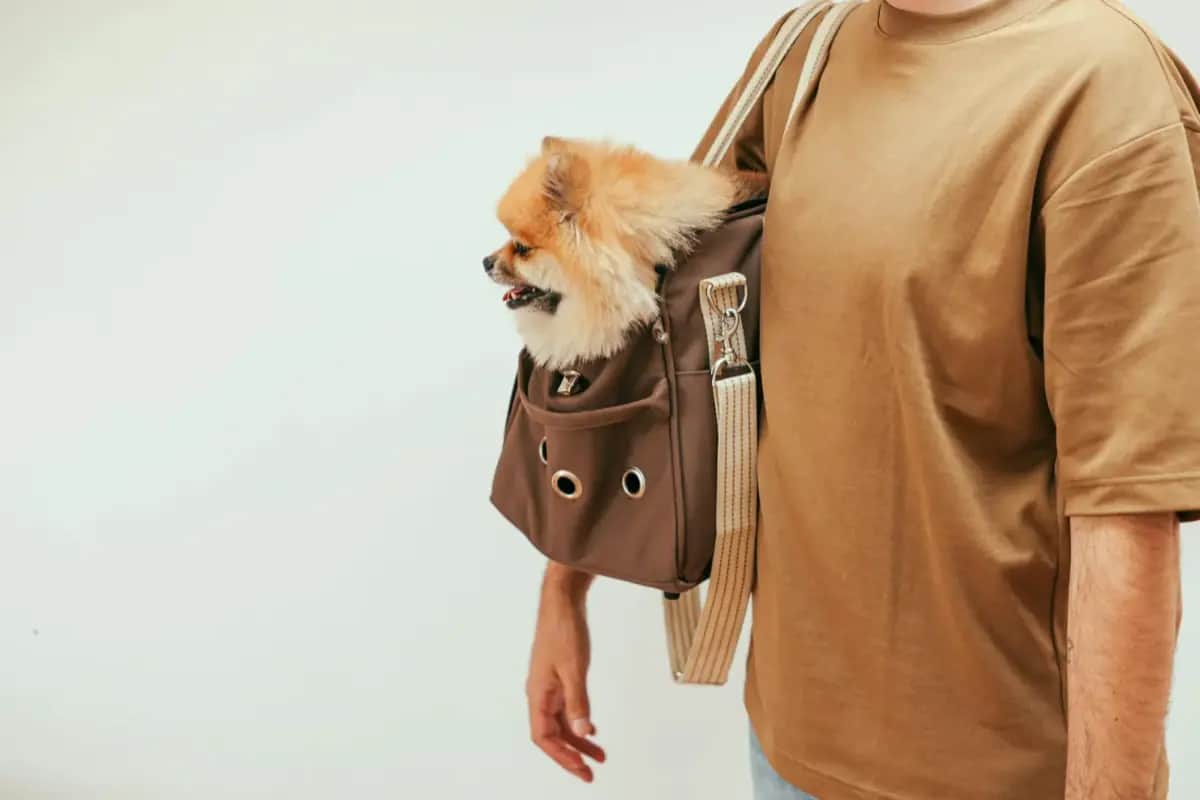
Owner-carried kits
A bag or pouch carried by the owner for the dog's supplies. Better for:
- Small dogs
- Dogs with health limitations
- Quick vehicle evacuations where weight distribution doesn't matter
Most households are better served by an owner-carried kit.
What a Complete Dog Emergency Kit Must Include
Tier 1: Non-Negotiable Basics
Food and water:
- 72-hour supply of your dog's regular food in an airtight bag
- Collapsible bowl (one for food, one for water)
- Note on daily ration for your specific dog
Documentation (waterproofed):
- Copy of current vaccination certificate
- Chip number and registration
- Veterinarian contact and emergency vet address
- Photo of you with the dog (ownership proof)
- Any regular medications with dosing instructions
Identification:
- ID tag on collar with current phone number
- Spare collar (collars can break or be lost)
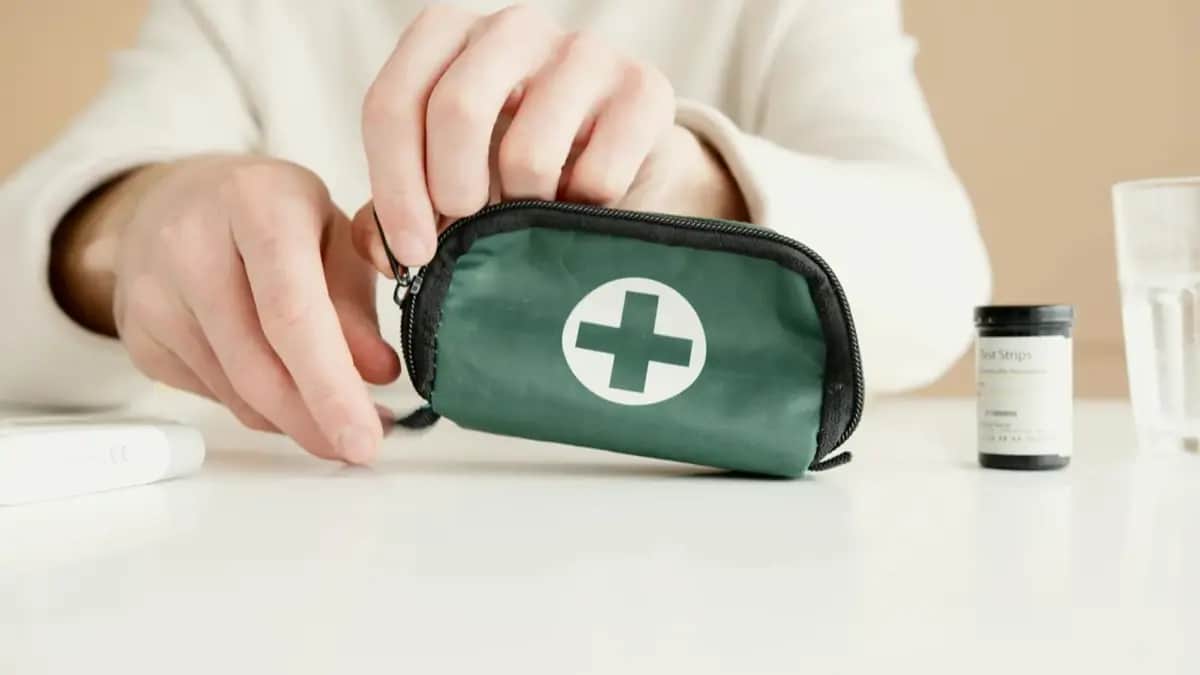
Tier 2: First Aid
- Sterile wound dressings (6-8 pieces)
- Elastic bandage
- Medical tape
- Antiseptic solution (chlorhexidine, dog-safe)
- Sterile saline for wound rinsing
- Disposable gloves
- Blunt scissors
- Tick removal tool
- Emergency muzzle (or material to make one)
- Rectal thermometer
Tier 3: Comfort and Control
- Spare leash (simple, 2m)
- Familiar small toy
- Small familiar blanket
- Calming collar or spray (optional, some dogs benefit)
Dog-Worn Pack Evaluation Criteria
If you're buying a wearable dog pack specifically:
Fit:
- Adjustable straps for chest, belly, and neck
- Does not restrict shoulder movement
- Sits balanced without leaning to one side
- Dog can lie down and turn normally while wearing it
Material:
- Water-resistant exterior (not just shower-resistant — proper wet weather protection)
- Reflective strips (visibility at night)
- Durable buckles (Duraflex or similar — cheap buckles break)
Load distribution:
- Saddle bag design (equal weight on both sides)
- Easily packable pouches that stay balanced
Recommended brands:
- Ruffwear (premium, highest quality, €70-120)
- Kurgo (good mid-range, €40-70)
- OneTigris (affordable, decent quality for budget buyers, €25-40)
Build-Your-Own: Better and Cheaper
For most owners, a custom-built kit outperforms commercial options:
Container: A dry bag (€15-20) or waterproof bag that attaches to your own go-bag Contents: Build from the tier lists above Total cost: €40-60 for everything
Benefits:
- Food is your dog's actual food (not generic emergency rations they may refuse)
- Documentation is current
- First aid is vetted by a veterinarian (many commercial kits have inappropriate or expired supplies)
- You know exactly what's in it
One Non-Negotiable Action
Whatever kit you buy or build, do this immediately: verify your dog's microchip is registered in the national database with your current contact information.
In Germany: TASSO (www.tasso.net) and FINDEFIX are the main registries. Registration is free. Check that:
- Your current phone number is listed
- Your current address is listed
- The chip number on the registration matches your dog's chip (vet can scan to confirm)
A chip without registration is nearly useless. This 10-minute action does more for your dog's safety than any equipment purchase.